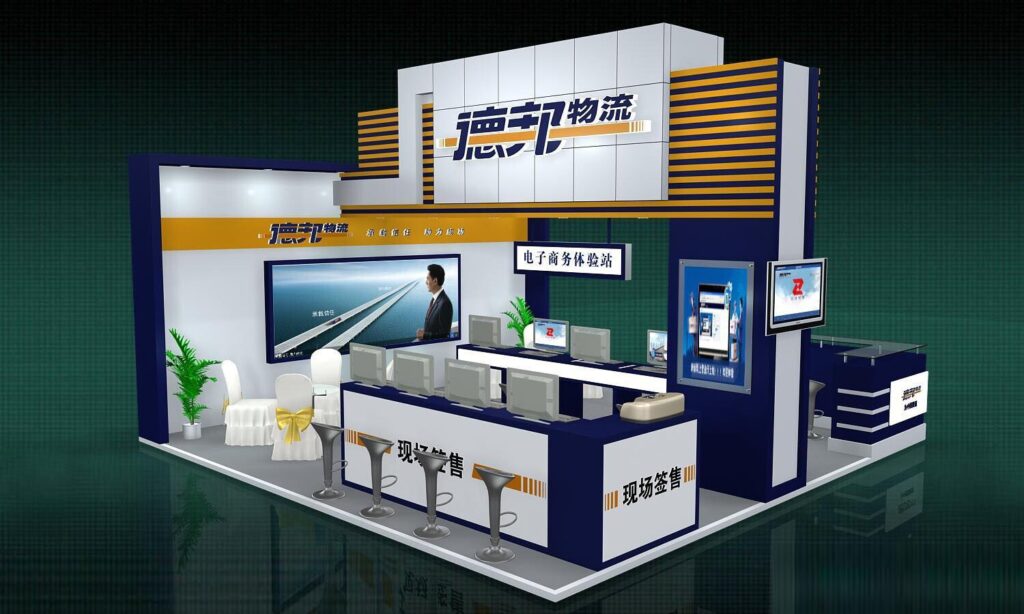
Large trade fairs play a major role in connecting industries, showcasing innovation, and driving business growth. Germany, known for hosting some of the world’s most influential exhibitions, attracts exhibitors from across the globe. While these events offer significant opportunities, participating in them also presents several challenges that exhibitors must navigate carefully. Understanding these challenges helps businesses prepare better and maximize their trade fair experience.
High Planning and Preparation Demands
One of the biggest challenges exhibitors face is the extensive planning required long before the event begins. Large-scale exhibitions involve strict timelines, detailed regulations, and coordination with multiple stakeholders. From booth design approvals to logistics scheduling, every step must align with the organizer’s guidelines. For companies participating in events like Trade Fairs in Hannover, early preparation is essential because last-minute changes can result in increased costs or compliance issues.
In addition, exhibitors must manage internal planning, including marketing strategies, staffing, and lead management systems. Balancing day-to-day business operations alongside trade fair preparation can strain resources, especially for small and medium-sized enterprises.
High Participation and Operational Costs
Exhibiting at major trade fairs in Germany can be expensive. Costs include space rental, stand construction, transportation of materials, staffing, accommodation, and promotional materials. These expenses often add up quickly, making budget management a significant concern.
Unexpected costs are another issue. Delays in shipping, technical adjustments on-site, or last-minute regulatory requirements can increase expenses. Exhibitors must build contingency plans into their budgets to avoid financial pressure during the event.
Intense Competition for Attention
Large trade fairs host hundreds or even thousands of exhibitors in one venue. Standing out in such a crowded environment is a major challenge. Visitors are exposed to numerous brands, products, and demonstrations, making it difficult for any single exhibitor to capture sustained attention.
Exhibitors must compete not only through visual appeal but also through clear messaging and meaningful engagement. Without a well-defined communication strategy, even well-designed booths can be overlooked by visitors moving quickly through exhibition halls.
Navigating Cultural and Language Differences
Germany’s trade fairs attract an international audience, which brings both opportunities and challenges. Cultural differences in communication styles, negotiation approaches, and business expectations can affect interactions with visitors and potential partners.
Language barriers also play a role. While many attendees speak English, relying on a single language may limit deeper engagement with local or regional visitors. Exhibitors need culturally aware staff and adaptable communication strategies to ensure effective interactions across diverse audiences.
Compliance with Regulations and Standards
Germany is known for its strict safety, environmental, and technical regulations. Exhibitors must comply with rules related to stand construction, electrical systems, fire safety, and sustainability standards. Failure to meet these requirements can result in delays, penalties, or restrictions on booth operations.
Understanding and adhering to these regulations requires time and attention to detail. For international exhibitors unfamiliar with local standards, navigating compliance can be particularly challenging without proper guidance.
Managing Logistics and Time Constraints
Logistics at large trade fairs are complex. Coordinating the delivery of materials, installation schedules, and dismantling processes within limited timeframes is a significant challenge. Exhibition venues often operate on tight schedules, leaving little room for delays or errors.
Time constraints during the event itself also pose difficulties. Exhibitors must manage meetings, demonstrations, and visitor interactions efficiently while ensuring staff remain energized throughout long exhibition days.
Measuring Return on Investment (ROI)
Another common challenge is accurately measuring the success of participation. While trade fairs generate leads and brand exposure, converting these outcomes into measurable business results takes time. Exhibitors may struggle to track which interactions lead to actual sales or partnerships.
Without a clear post-event follow-up strategy, valuable connections can be lost. Establishing systems to collect data, categorize leads, and maintain communication after the event is essential for long-term success.
Adapting to Evolving Visitor Expectations
Visitor expectations at trade fairs are constantly evolving. Attendees increasingly look for interactive experiences, informative content, and meaningful conversations rather than traditional sales pitches. Exhibitors who fail to adapt to these expectations may find it difficult to engage modern audiences.
This shift requires exhibitors to rethink how they present information, train staff, and design visitor experiences that focus on value rather than promotion.
Conclusion
Participating in large exhibitions offers significant opportunities, but it also comes with a wide range of challenges. From high costs and complex logistics to intense competition and regulatory compliance, exhibitors must prepare strategically to succeed. By understanding these challenges and planning accordingly, businesses can make more informed decisions and improve their overall trade fair performance. As exhibitions continue to evolve, adaptability and preparation remain key factors for success at Trade Fairs in Germany.