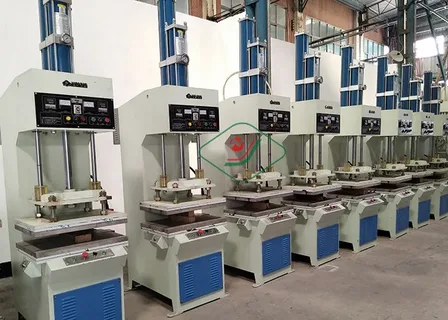
Training your team to operate a paper pulp moulding machine effectively is crucial for ensuring productivity, safety, and consistent product quality. A well-trained team reduces errors, minimizes downtime, and maximizes the return on investment from your machinery. Proper training involves combining theoretical knowledge with hands-on practice, allowing employees to understand not only how the machine works but also the reasoning behind each process step.
Investing time in structured training sessions helps employees gain confidence in handling the paper pulp moulding machine. It also creates a culture of accountability and professionalism within the workplace. Whether your team is new to pulp moulding or has some prior experience, a clear training plan can significantly improve efficiency and safety in your packaging operations.
Understanding the Basics of a Paper Pulp Moulding Machine
Before diving into hands-on training, it is essential for your team to grasp the basic components and functions of a paper pulp moulding machine. Familiarity with the machine’s parts, such as the pulp feeding system, moulding station, drying section, and control panel, allows operators to understand how each segment contributes to the final product. Training should also cover how raw materials are prepared and loaded, which directly impacts the quality of the molded items.
In addition, explaining the working principle of the machine helps employees troubleshoot issues more effectively. For instance, understanding how pulp consistency affects moulding or how temperature and pressure influence drying can prevent common mistakes. Providing manuals, diagrams, and visual demonstrations during this stage ensures that your team has a solid theoretical foundation before handling the equipment.
Emphasizing Safety Protocols
Operating a paper pulp moulding machine involves moving parts, high temperatures, and electrical components, making safety a top priority. Employees must be trained on proper personal protective equipment (PPE), safe operating procedures, and emergency protocols. Regular safety drills and visual reminders around the machine reinforce good habits and reduce the risk of accidents.
Additionally, team members should learn how to identify hazards such as pulp spills, overheating, or mechanical malfunctions. Training on emergency stops and shutdown procedures ensures that the team can act quickly to prevent injury or damage. Prioritizing safety not only protects your employees but also reduces downtime caused by accidents, keeping production efficient and smooth.
Hands-On Machine Operation
Once employees understand the basics and safety measures, practical training on the paper pulp moulding machine should begin. Start with supervised sessions where team members can practice loading pulp, operating the moulding system, and monitoring drying times. Hands-on experience helps them internalize machine functions and build muscle memory for repetitive tasks, increasing both speed and accuracy.
It is also important to rotate employees through different roles on the machine to ensure flexibility and reduce dependency on a single operator. This cross-training approach allows the team to handle unexpected absences and maintain consistent production. Pairing less experienced workers with seasoned operators fosters mentorship and accelerates skill development.
Troubleshooting and Maintenance Training
A critical aspect of training is teaching employees how to troubleshoot minor issues and perform routine maintenance on the paper pulp moulding machine. This includes cleaning the moulds, checking the pulp consistency, inspecting belts and motors, and understanding warning signals on the control panel. Well-trained operators can address small problems before they escalate, preventing costly downtime.
Routine maintenance also extends the machine’s lifespan and improves product quality. Employees should be instructed on a regular schedule for lubrication, inspection, and calibration, ensuring that all components operate optimally. Providing a clear checklist and step-by-step guidance empowers your team to take ownership of machine care, fostering reliability and accountability.
Continuous Learning and Performance Evaluation
Training on a paper pulp moulding machine should not stop once employees can operate it independently. Continuous learning ensures that your team stays updated on new techniques, safety updates, and process improvements. Encouraging feedback sessions, refresher courses, and skill assessments keeps your workforce engaged and motivated.
Performance evaluation is another key aspect of ongoing training. Monitoring metrics such as production speed, defect rates, and adherence to safety protocols helps identify areas where additional training may be needed. Recognizing and rewarding employees for proficiency and innovation not only boosts morale but also reinforces a culture of excellence and continuous improvement in your packaging business.
In conclusion, training your team to operate a paper pulp moulding machine effectively requires a combination of theoretical knowledge, hands-on experience, and continuous learning. By prioritizing safety, practical skills, troubleshooting, and ongoing performance evaluation, businesses can enhance productivity, maintain high-quality standards, and ensure a safe working environment. A well-trained team is the backbone of a successful paper pulp moulding operation, allowing you to meet growing packaging demands efficiently and sustainably.