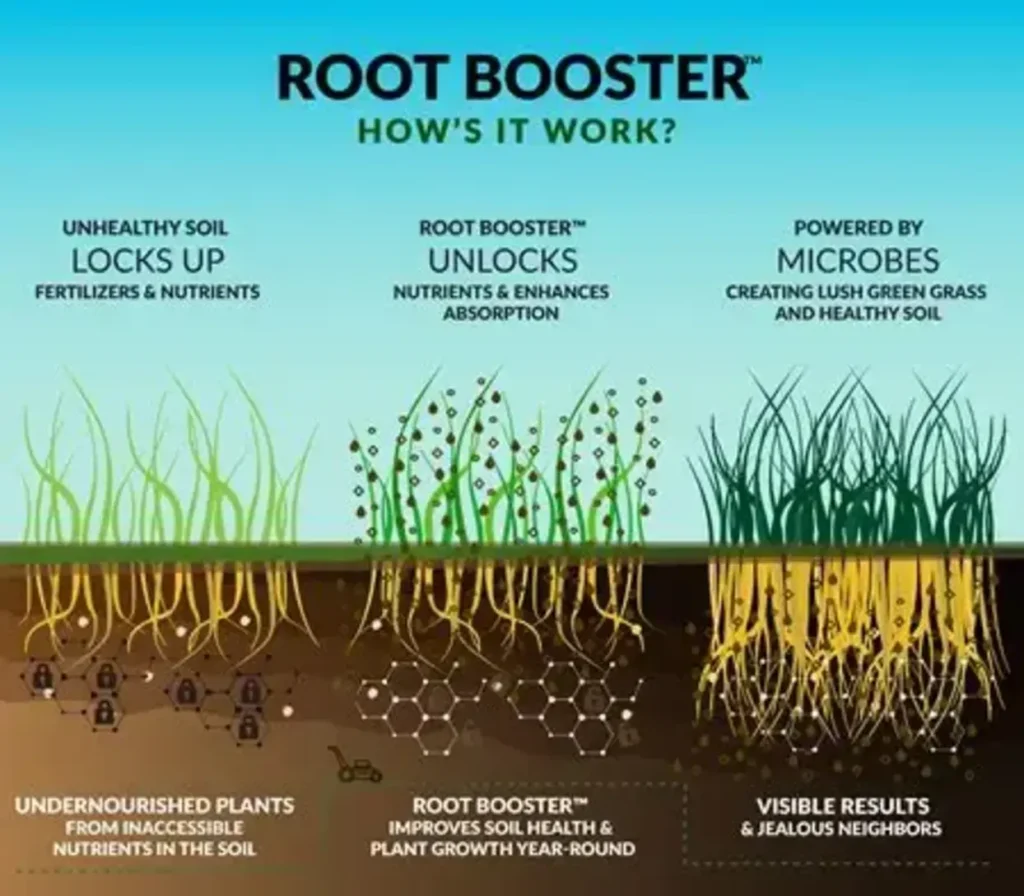
Plant starters and root boosters have become standard tools in modern agriculture and horticulture. From commercial farms to greenhouse operations, these products are widely used to improve early plant development, strengthen root systems, and support overall crop performance. But how effective are they in practice? And what should growers look for when choosing the right solution?
Toko belerang explores how plant starters and root boosters work, their benefits, and how to use them effectively in real-world growing conditions.
What Are Plant Starters and Root Boosters?
Plant starters are typically applied at the beginning of a crop cycle, either during seeding or transplanting. Their main purpose is to supply essential nutrients that support early growth. Root boosters, on the other hand, focus more specifically on stimulating root development and enhancing the plant’s ability to absorb water and nutrients.
While the two categories often overlap, most modern formulations combine both functions. They may include macronutrients like nitrogen and phosphorus, secondary nutrients such as Sulfur, and a range of micronutrients, organic compounds, or biostimulants.
Why Early Root Development Matters
The first few weeks of a plant’s life are critical. During this stage, the plant establishes its root system, which directly affects its ability to access nutrients and withstand environmental stress later on.
A strong root system leads to:
- Better nutrient uptake efficiency
- Improved drought tolerance
- Increased resistance to pests and diseases
- More uniform plant growth
Without adequate root development, even the best fertilization program later in the season may not fully compensate for early deficiencies.
How Plant Starters and Root Boosters Work
These products work through several mechanisms:
1. Nutrient Availability
Plant starters supply readily available nutrients that young plants can absorb quickly. Phosphorus is especially important for root development, while Sulfur plays a key role in enzyme function and protein synthesis. It also helps improve nutrient use efficiency, particularly nitrogen.
2. Root Stimulation
Many root boosters contain compounds such as humic acids, amino acids, or plant hormones. These stimulate root elongation and branching, increasing the total root surface area.
3. Soil Interaction
Some formulations improve soil structure or microbial activity. This creates a more favorable environment for root growth, especially in compacted or low-organic-matter soils.
4. Stress Reduction
Transplant shock, temperature fluctuations, and inconsistent moisture levels can slow early growth. Root boosters often include ingredients that help plants recover faster and maintain steady development.
Measuring Effectiveness in the Field
The effectiveness of plant starters and root boosters depends on several factors, including soil conditions, crop type, and application method. However, consistent benefits are often observed when products are used correctly.
Faster Establishment
Growers frequently report quicker germination and stronger early growth. This is especially valuable in short growing seasons or high-intensity production systems.
Improved Uniformity
More consistent plant size and development across the field can lead to easier management and more predictable yields.
Yield and Quality Gains
While the impact on final yield varies, improved early growth often translates into higher productivity and better crop quality, particularly in nutrient-deficient soils.
Enhanced Nutrient Efficiency
Products containing Sulfur and other secondary nutrients can improve how efficiently plants use applied fertilizers, reducing waste and input costs over time.
Key Ingredients to Look For
Not all plant starters and root boosters are created equal. When evaluating products, consider the following components:
Balanced nutrient profile: Look for a combination of macronutrients and secondary nutrients like Sulfur.
Biostimulants: Ingredients such as seaweed extracts, humic substances, or beneficial microbes can enhance performance.
Compatibility: Products should integrate easily with existing fertilization and irrigation systems.
Formulation quality: Liquid formulations often provide faster uptake, while granular options may offer longer-lasting effects.
Best Practices for Use
To maximize effectiveness, proper application is essential.
Apply at the Right Time
Plant starters should be applied at seeding or transplanting. Delayed application reduces their impact on early root development.
Match the Product to the Crop
Different crops have different nutrient demands. Choose a formulation tailored to your specific crop and growing conditions.
Consider Soil Testing
A soil test provides valuable information about nutrient levels, including Sulfur availability. This helps ensure the product complements existing soil conditions rather than duplicating inputs.
Avoid Overapplication
More is not always better. Excessive use can lead to nutrient imbalances or unnecessary costs. Follow recommended rates and adjust based on field performance.
Common Misconceptions
Despite their benefits, plant starters and root boosters are sometimes misunderstood.
They are not a replacement for a full fertilization program. They support early growth but must be part of a broader nutrient management strategy.
They do not guarantee higher yields on their own. Their effectiveness depends on overall crop management.
They are not only for poor soils. Even high-quality soils can benefit from targeted early-stage support.
Final Thoughts
Plant starters and root boosters are effective tools when used strategically. By supporting early root development, improving nutrient uptake, and helping plants manage stress, they contribute to stronger, more resilient crops.
Products that include essential nutrients like Sulfur, along with advanced biostimulants, offer a well-rounded approach to early plant nutrition. For growers aiming to optimize performance from the ground up, these solutions are not just an add-on but a valuable part of a modern cultivation program.
The key is to choose high-quality formulations, apply them correctly, and integrate them into a comprehensive crop management plan. When these factors align, the results can be both measurable and consistent across a wide range of growing environments.