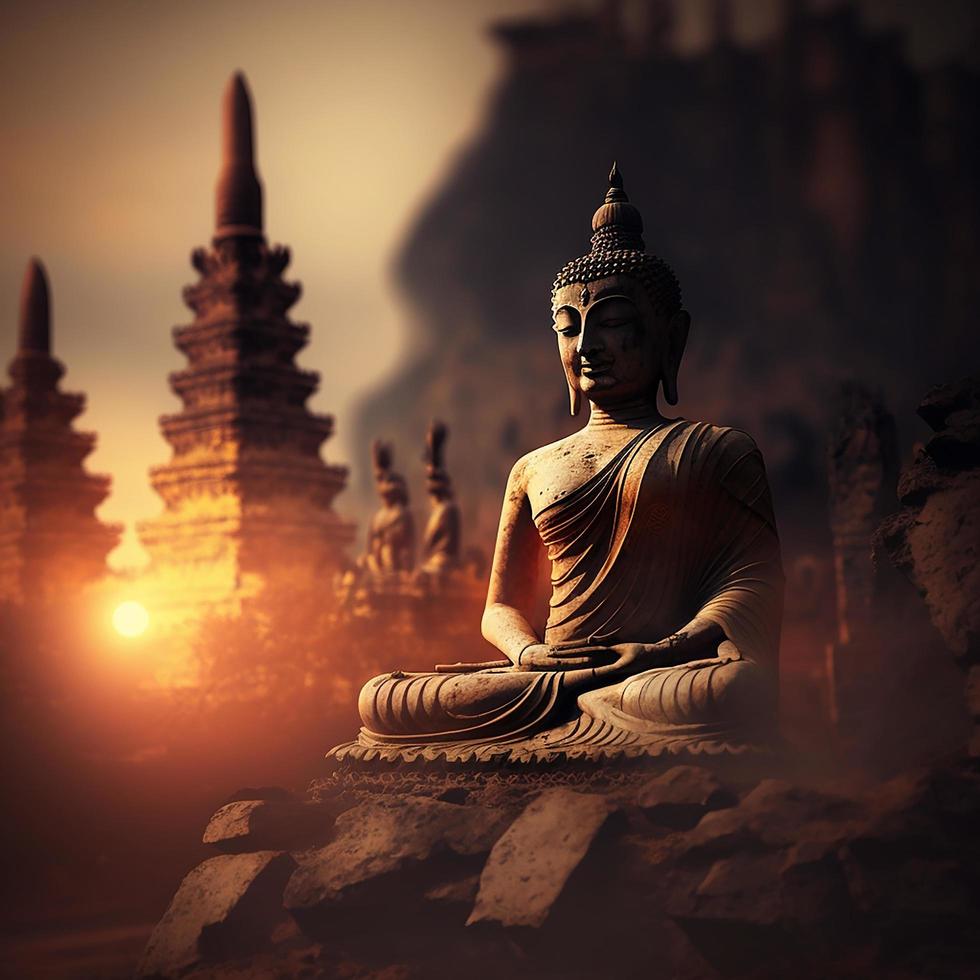
Buddhism, with its origins in India over 2,500 years ago, has spread across continents, leaving behind a legacy of spirituality, art, and architecture. Best Buddhist Temples in the World are not only places of worship but also cultural landmarks that embody centuries of devotion, craftsmanship, and philosophy. From golden pagodas in Myanmar to serene monasteries in Japan, these temples attract millions of pilgrims and travelers every year.
Shwedagon Pagoda, Myanmar
- Location: Yangon, Myanmar
- Significance: Believed to be over 2,500 years old, making it one of the oldest Buddhist temples in existence.
- Highlights: The pagoda is covered in gold plates and topped with a stupa encrusted with diamonds and other precious stones.
- Spiritual Appeal: Revered as the most sacred Buddhist site in Myanmar, housing relics of four Buddhas.
Mahabodhi Temple, India
- Location: Bodh Gaya, Bihar, India
- Significance: Marks the site where Siddhartha Gautama attained enlightenment under the Bodhi Tree.
- Highlights: A UNESCO World Heritage Site with a towering spire and serene meditation gardens.
- Global Appeal: Surrounded by monasteries built by countries like Thailand, Japan, and Bhutan, reflecting international Buddhist traditions.
Borobudur Temple, Indonesia
- Location: Central Java, Indonesia
- Significance: The largest Buddhist temple in the world, built in the 9th century.
- Highlights: A massive mandala-shaped structure with nine stacked platforms and 504 Buddha statues.
- Cultural Importance: A UNESCO World Heritage Site, Borobudur is both a pilgrimage site and an architectural wonder.
Wat Pho, Thailand
- Location: Bangkok, Thailand
- Significance: Known as the Temple of the Reclining Buddha.
- Highlights: Houses a 46-meter-long reclining Buddha covered in gold leaf.
- Cultural Role: Considered the birthplace of traditional Thai massage, with a school still operating within the temple.
Haeinsa Temple, South Korea
- Location: Hapcheon, South Korea
- Significance: Houses the Tripitaka Koreana, a complete set of Buddhist scriptures carved onto 80,000 wooden blocks.
- Highlights: Built in 802, it is one of Korea’s most important Buddhist temples.
- Spiritual Value: A center of study and meditation, preserving Buddhist teachings for centuries.
Todaiji Temple, Japan
- Location: Nara, Japan
- Significance: Houses the world’s largest bronze statue of the Buddha Vairocana.
- Highlights: The Great Buddha Hall is one of the largest wooden buildings in the world.
- Cultural Importance: A UNESCO World Heritage Site, Todaiji played a central role in Japanese Buddhism.
Jokhang Temple, Tibet
- Location: Lhasa, Tibet
- Significance: Considered the most sacred temple in Tibet.
- Highlights: Houses the Jowo Shakyamuni statue, believed to be blessed by the Buddha himself.
- Spiritual Role: A major pilgrimage site for Tibetan Buddhists, especially during the Great Prayer Festival.
Angkor Wat, Cambodia
- Location: Siem Reap, Cambodia
- Significance: Originally a Hindu temple, later transformed into a Buddhist site.
- Highlights: The largest religious monument in the world, with intricate carvings and vast courtyards.
- Cultural Value: A UNESCO World Heritage Site, symbolizing Cambodia’s national identity.
Boudhanath Stupa, Nepal
- Location: Kathmandu, Nepal
- Significance: One of the largest spherical stupas in the world.
- Highlights: The stupa’s massive mandala makes it a focal point for Tibetan Buddhism.
- Spiritual Appeal: Pilgrims walk around the stupa in prayer, spinning prayer wheels and chanting mantras.
Wat Arun, Thailand
- Location: Bangkok, Thailand
- Significance: Known as the Temple of Dawn.
- Highlights: Its central spire is decorated with colorful porcelain and seashells.
- Cultural Role: A symbol of Thailand’s resilience and spirituality, especially during sunrise and sunset.
Cultural and Spiritual Dimensions of Buddhist Temples
- Meditation and Prayer: Central to temple life, reinforcing mindfulness and compassion.
- Art and Architecture: Temples showcase intricate carvings, murals, and statues that narrate Buddhist teachings.
- Community Bonding: Temples serve as centers for festivals, rituals, and cultural exchange.
- Tourism Appeal: These temples attract millions of visitors annually, boosting cultural tourism.
Festivals Celebrated at Temples
- Buddha Purnima: Celebrated at Mahabodhi Temple, marking Buddha’s birth, enlightenment, and death.
- Hemis Festival: At Hemis Monastery in Ladakh, featuring masked dances.
- Losar: Tibetan New Year celebrated at Jokhang Temple.
- Songkran: Thai New Year celebrated at Wat Pho and Wat Arun.
Culinary Traditions Around Temples
- Vegetarian Meals: Reflect Buddhist principles of non-violence.
- Offerings: Fruits, rice, and sweets offered to monks and deities.
- Regional Delicacies: Momos in Nepal, thukpa in Tibet, and Thai curries in Bangkok.
- Community Dining: Shared meals foster unity and compassion.
Emerging Trends in Buddhist Temples
- Spiritual Retreats: Meditation and yoga centers are gaining popularity.
- Eco-Tourism: Sustainable practices in temple complexes.
- Digital Outreach: Live-streaming of ceremonies connects global audiences.
- Wellness Tourism: Temples integrated with retreats and wellness programs.
Accessibility and Infrastructure
- Major Hubs: India, Myanmar, Thailand, Japan, Nepal, and Cambodia.
- Transport: Airports and railways connect major temple cities.
- Accommodation: Guesthouses, monasteries, and resorts cater to diverse travelers.
- Tourism Support: Governments promote Buddhist circuits and temple tourism.
Why the Best Buddhist Temples in the World Stand Out
- Historical Significance: Linked directly to Buddha’s life and teachings.
- Spiritual Appeal: Centers for meditation, prayer, and enlightenment.
- Cultural Diversity: Temples built by global communities enrich the experience.
- Global Recognition: UNESCO sites and international pilgrimages highlight their importance.
Sample Itinerary: 12 Days Exploring Buddhist Temples Worldwide
- Day 1–2: Bodh Gaya (Mahabodhi Temple, international monasteries).
- Day 3–4: Yangon (Shwedagon Pagoda).
- Day 5–6: Central Java (Borobudur Temple).
- Day 7: Bangkok (Wat Pho, Wat Arun).
- Day 8: Nara (Todaiji Temple).
- Day 9: Lhasa (Jokhang Temple).
- Day 10: Siem Reap (Angkor Wat).
- Day 11: Kathmandu (Boudhanath Stupa).
- Day 12: Hapcheon (Haeinsa Temple).
Conclusion
Best Buddhist Temples in the World are not just architectural wonders—they are living embodiments of peace, wisdom, and cultural heritage. Whether it is the golden splendor of Shwedagon Pagoda, the serenity of Mahabodhi Temple, or the grandeur of Borobudur, these temples offer profound experiences. As global interest in spiritual tourism grows, these temples continue to inspire millions, standing as timeless reminders of the Buddha’s teachings and their relevance in today’s world.