Hypertension, commonly known as high blood pressure, is often referred to as the “silent killer” due to its ability to develop without obvious symptoms while quietly damaging the body. In a bustling city like Dubai, where lifestyles are fast-paced and stress levels can be high, awareness of early warning signs is crucial. Understanding the early signs of hypertension and seeking timely medical attention can prevent serious health complications such as heart disease, stroke, and kidney damage. In this blog, we will explore everything you need to know about Hypertension Dubai, from symptoms and causes to preventive measures, treatment options, and frequently asked questions.
What is Hypertension?
Hypertension is a medical condition where the force of the blood against the walls of your arteries is consistently too high. Blood pressure is measured in millimeters of mercury (mmHg) and recorded as two numbers: systolic (pressure when the heart beats) over diastolic (pressure when the heart rests between beats).
- Normal blood pressure: less than 120/80 mmHg
- Elevated blood pressure: 120–129/<80 mmHg
- Hypertension Stage 1: 130–139/80–89 mmHg
- Hypertension Stage 2: ≥140/90 mmHg
Persistent high blood pressure strains the heart, arteries, and other organs, leading to long-term health risks.
Why Awareness is Important in Dubai
Dubai’s urban lifestyle has led to an increase in hypertension cases among residents. Factors such as high stress, sedentary habits, unhealthy diet, and excessive salt intake contribute to the prevalence of high blood pressure. Despite these risks, many individuals remain unaware of their condition because hypertension can often present without noticeable symptoms. Recognizing early signs is essential for timely intervention, prevention of complications, and improved quality of life.
Early Signs and Symptoms of Hypertension
Although hypertension is often silent, some early signs may indicate that your blood pressure is higher than normal. It is important to pay attention to these symptoms:
1. Frequent Headaches
Persistent or recurring headaches, especially in the morning, may be a subtle indicator of elevated blood pressure. These headaches can vary in intensity and may be accompanied by dizziness.
2. Fatigue and Confusion
High blood pressure can affect blood flow to the brain, causing fatigue, mental fog, or confusion. These symptoms are often overlooked but can be early warning signs.
3. Blurred Vision
Hypertension can damage the blood vessels in the eyes, leading to visual disturbances such as blurred vision or seeing spots. Regular eye check-ups are important for early detection.
4. Chest Pain
Experiencing chest discomfort or pressure could indicate that hypertension is affecting the heart. This symptom requires immediate medical attention as it may signal a serious cardiovascular issue.
5. Irregular Heartbeat
Palpitations or an irregular heartbeat can sometimes be linked to elevated blood pressure. Monitoring your pulse and reporting irregularities to a healthcare professional is crucial.
6. Shortness of Breath
Difficulty breathing or shortness of breath, especially during physical activity, may be a result of hypertension affecting the heart and lungs.
7. Nosebleeds
While not common, frequent nosebleeds can occur in cases of extremely high blood pressure. This symptom should not be ignored.
Causes and Risk Factors of Hypertension
Understanding the causes of hypertension helps in preventing and managing it effectively. Common causes and risk factors include:
- Genetics: Family history of hypertension increases your risk.
- Age: Risk increases as you get older.
- Obesity: Excess weight strains the heart and arteries.
- Unhealthy Diet: High salt, sugar, and processed foods contribute to hypertension.
- Physical Inactivity: Sedentary lifestyle can lead to elevated blood pressure.
- Stress: Chronic stress elevates blood pressure over time.
- Smoking and Alcohol: Both can increase the risk of developing hypertension.
- Chronic Conditions: Diabetes, kidney disease, and sleep apnea can contribute to high blood pressure.
How Hypertension is Diagnosed in Dubai
If you suspect you have high blood pressure, visiting a healthcare provider in Dubai for a proper evaluation is essential. Diagnosis typically includes:
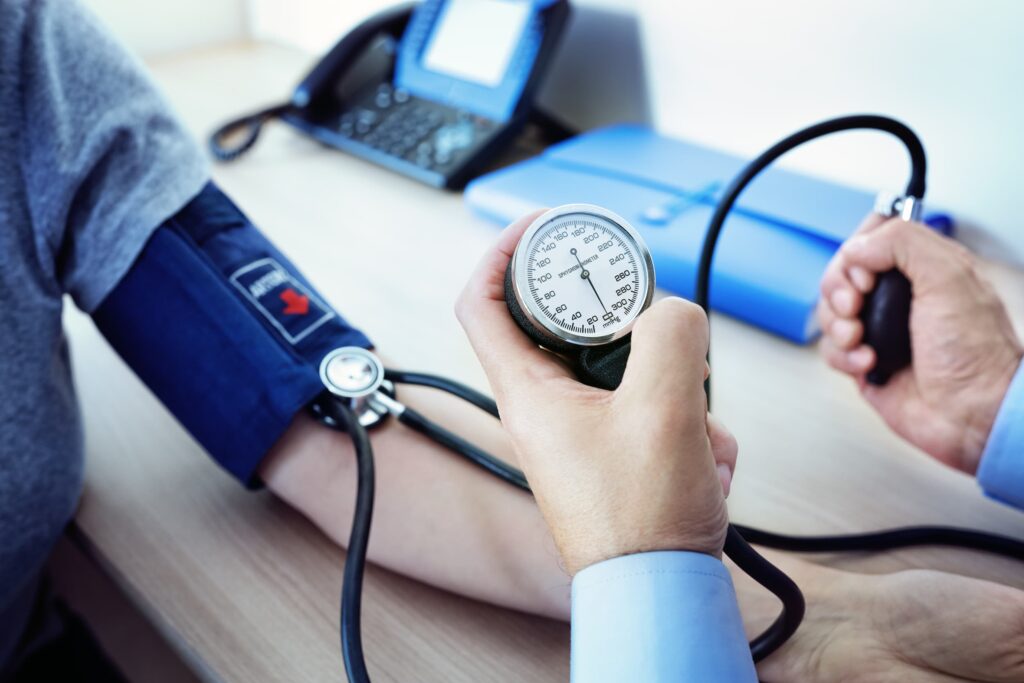
- Blood Pressure Measurement: Using a sphygmomanometer or digital monitor.
- Multiple Readings: Blood pressure is usually measured on different occasions to confirm hypertension.
- Lab Tests: Blood and urine tests to check for kidney function, cholesterol, and blood sugar.
- Electrocardiogram (ECG): To detect heart-related complications.
- Lifestyle Assessment: Review of diet, exercise, stress, and habits.
Preventive Measures and Lifestyle Changes
Managing hypertension starts with prevention and lifestyle modifications. Key strategies include:
- Maintain a Healthy Diet – Focus on fruits, vegetables, whole grains, and lean proteins. Reduce salt, sugar, and processed foods.
- Regular Exercise – Engage in at least 30 minutes of moderate activity most days of the week.
- Stress Management – Practice mindfulness, meditation, or yoga to reduce stress.
- Maintain Healthy Weight – Losing even a small amount of weight can significantly reduce blood pressure.
- Limit Alcohol and Quit Smoking – Both directly affect blood pressure and heart health.
- Regular Check-ups – Early detection through routine health screenings ensures timely intervention.
Treatment Options for Hypertension in Dubai
Treatment depends on the severity of hypertension and individual health conditions. Common approaches include:
- Lifestyle Changes: Diet, exercise, and stress management remain the cornerstone of treatment.
- Medications: Doctors may prescribe antihypertensive medications such as diuretics, ACE inhibitors, beta-blockers, or calcium channel blockers.
- Monitoring: Regular blood pressure checks at home or in clinics.
- Specialist Care: Referral to cardiologists or nephrologists for complex cases.
Dubai has a wide range of healthcare facilities offering state-of-the-art treatment options and personalized care for hypertension.
Complications of Untreated Hypertension
Ignoring high blood pressure can lead to severe health problems, including:
- Heart attack or heart failure
- Stroke
- Kidney damage or chronic kidney disease
- Eye damage leading to vision problems
- Aneurysms
- Cognitive decline
Early detection and treatment are key to preventing these complications.
Conclusion
Hypertension is a silent but potentially dangerous condition. Awareness of early symptoms such as headaches, fatigue, blurred vision, and irregular heartbeat can help individuals take timely action. In Dubai, where urban lifestyles and stress levels contribute to rising blood pressure, recognizing these early signs and adopting preventive measures is vital. Regular monitoring, lifestyle changes, and medical intervention when necessary can ensure a healthier, longer life. By staying informed and proactive, you can effectively manage your blood pressure and reduce the risk of serious complications.
FAQs
Q1: What is the normal blood pressure range?
Normal blood pressure is typically less than 120/80 mmHg. Anything above this may be considered elevated or hypertensive depending on the readings.
Q2: Can hypertension show symptoms in early stages?
Yes, early-stage hypertension may cause subtle symptoms like headaches, fatigue, and blurred vision, but many people may remain asymptomatic.
Q3: How often should I check my blood pressure in Dubai?
Adults should check their blood pressure at least once a year. Those with risk factors or previous readings of elevated blood pressure may need more frequent monitoring.
Q4: Is hypertension curable?
Hypertension cannot always be cured, but it can be effectively managed through lifestyle changes, medication, and regular monitoring.
Q5: Are there any natural remedies for hypertension?
While lifestyle modifications like diet, exercise, and stress management help, natural remedies should complement—not replace—medical treatment.
Q6: When should I see a doctor immediately?
Seek urgent medical attention if you experience severe headaches, chest pain, shortness of breath, vision changes, or nosebleeds, as these may indicate dangerously high blood pressure.
Q7: Does stress affect blood pressure?
Yes, chronic stress can elevate blood pressure and contribute to long-term hypertension if not managed properly.