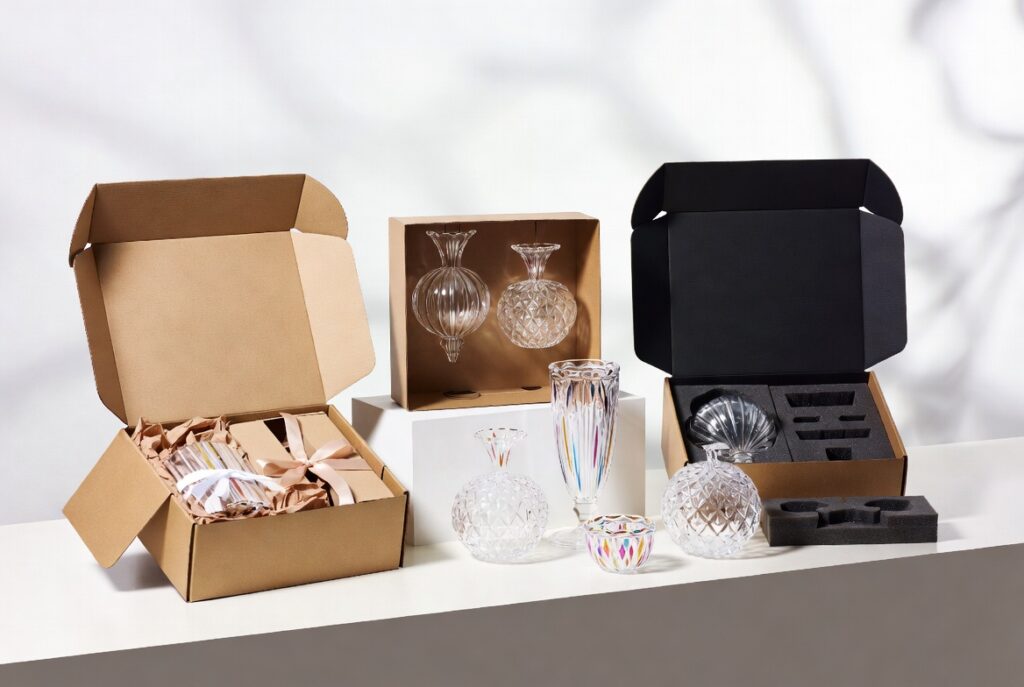
Glass décor looks effortless on a shelf, but getting it there safely is anything but simple. A slight knock, a bit of pressure, or even too much movement inside a box can undo all the craftsmanship that went into making it. That’s why more businesses are moving away from standard packing methods and leaning towards customised solutions that actually match the product.
Why Does Packaging Make or Break Glass Décor Deliveries?
Glass doesn’t give second chances. If it shifts too much or takes a hit at the wrong angle, the damage is usually visible straight away. A plain carton with some loose filler might work for sturdier goods, but it often falls short here.
In real packing environments, teams don’t just place glass items into boxes—they build protection around them. Even when sourcing from wholesale carton boxes, the internal setup determines whether the product arrives safely. Without that, the outer box alone can’t do much.
There’s also the customer side to think about. When a glass item arrives intact, it feels like care has been taken. When it doesn’t, the disappointment goes beyond the product.
How Does Custom Packaging Influence Customer Trust?
The moment a box is opened, people form an opinion. If the item sits firmly in place, is properly wrapped, and is free of marks, it creates a sense of confidence straight away.
Custom packaging helps create that feeling because everything fits the way it should. There’s no unnecessary movement, no overstuffing, and no guesswork. Businesses using the UK’s custom packaging methods often see a difference in how their products are received—not just physically, but emotionally.
In décor and fashion logistics, this attention to detail isn’t optional anymore. It’s part of the experience. A well-packed glass piece doesn’t just arrive safely; it arrives with a sense of value.
What Types of Custom Packaging Work Best for Glass Décor?
There isn’t a single solution that works for every product. The right setup depends on size, weight, and shape. That’s why customised packaging focuses on combining different elements rather than relying on one material.
Die-Cut Inserts
These are shaped specifically for the product. The glass piece sits in place without sliding around. This is often used for items with a fixed design, like decorative holders or small centrepieces.
Double-Walled Boxes
These feel sturdier the moment they’re picked up. They handle weight better and are less likely to bend under pressure. Many businesses using wholesale carton boxes upgrade to double-walled options for fragile items.
Partitioned Boxes
When multiple pieces are packed together, partitions keep them from touching. This reduces the risk of scratches or cracks during movement.
Foam Lining
Foam adds a soft layer that protects the glass surface. It’s especially useful for glossy finishes that can easily pick up marks.
Protective Wrapping Layers
Wrapping the item in bulk bubble wrap provides cushioning that absorbs shocks. It’s often the first step before placing the product inside the box.
Reinforced Base Packaging
Heavier glass items need support from below. A reinforced base prevents the box from giving way when it’s lifted or stacked.
Compact Storage Boxes
Some businesses also consider what happens after delivery. Cardboard storage boxes can keep glass items safe even when they’re not in use, adding practical value for the customer.
Edge Protection Systems
Corners are usually where damage starts. Adding protection to these areas helps reduce chips and cracks during handling.
How Do These Materials Work Together in Real Packaging Setups?
Packing glass properly isn’t about using more materials—it’s about using them in the right order. Each layer has a job to do.
A typical setup might involve:
- Wrapping the item in bulk bubble wrap to handle impact
- Placing it inside a fitted insert or foam lining
- Securing it within a strong outer box
This approach is common in packaging environments dealing with fragile décor. It keeps the item stable and reduces the chances of damage during transit.
In storage or repeat-handling situations, cardboard storage boxes with proper internal support help maintain the product’s condition over time.
Why Are Businesses Shifting Towards Custom Packaging?
The shift is happening because standard methods are no longer enough. Customers expect products to arrive in perfect condition, especially when they’re paying for something delicate or premium.
Businesses adopting UK custom packaging solutions are doing so to stay consistent. Fewer damages mean fewer returns, and that directly affects both cost and reputation.
There’s also a subtle but important factor—presentation. A well-packed item feels more valuable. It shows that effort has gone into protecting it, not just shipping it.
Conclusion
Glass décor needs more than basic packing. It needs structure, cushioning, and a setup that actually fits the product. Custom packaging brings all of that together in a way that standard methods can’t.
When done properly, it protects the item, reduces risk, and leaves a better impression on the customer. And in a space where small details matter, that makes all the difference.