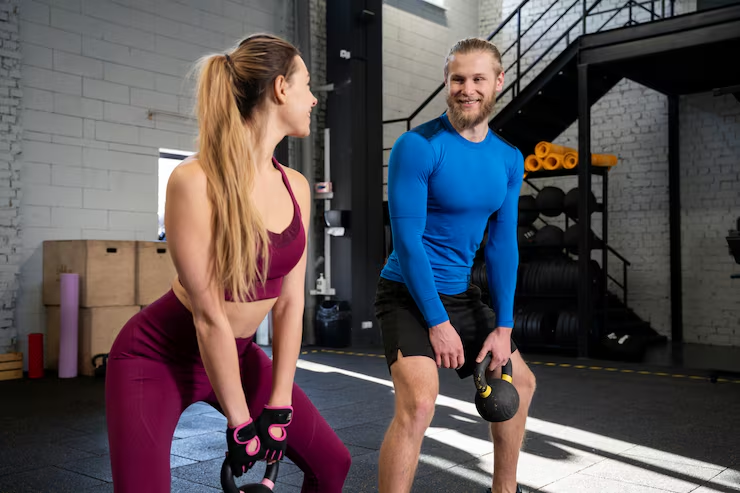
Starting a fitness journey often brings excitement along with many questions. Many people wonder whether they should wait until they gain experience or seek professional help from the beginning. Working with a Personal fitness coach can provide direction, structure, and confidence during every stage of progress. Knowing the right time to begin coaching helps you build healthy habits, avoid common mistakes, and achieve lasting results through a practical and organized approach.
Recognize The Right Time To Get Professional Support
Many people believe coaching is only for athletes or advanced gym members, but that is not true. Professional guidance can benefit beginners, busy professionals, older adults, and anyone returning to exercise after a break. A coach becomes valuable once you feel uncertain about workout choices, struggle to remain consistent, or notice limited progress despite regular effort. Starting at the right time allows you to develop proper habits early, reducing frustration and helping you build confidence through steady improvement rather than relying on trial and error.
Benefits Of Starting Coaching Early
Beginning your fitness journey with expert support helps you establish a strong foundation. Proper instruction reduces the chance of poor exercise technique that may lead to discomfort or injury. A coach also creates realistic goals that match your current fitness level and available schedule. Regular feedback keeps you motivated and accountable without feeling overwhelmed. Early coaching also teaches valuable knowledge about recovery, nutrition, and balanced training, making it easier to continue healthy habits independently over the long term.
Signs You May Be Ready For A Fitness Coach
Several situations suggest that professional guidance could make a meaningful difference in your progress. Feeling confused by conflicting workout advice, lacking motivation, or repeating the same routine without improvement are common indicators. A coach can also help during major life changes, such as preparing for a sporting event, recovering fitness after pregnancy, or returning after an extended break from exercise. Recognizing these signs early allows you to correct your direction before frustration reduces your commitment.
Build A Personalized Plan Step By Step
A structured fitness plan removes uncertainty and creates a clear path toward measurable progress. Every successful program begins with understanding your current abilities, health history, and long-term objectives. Your coach adjusts workouts based on improvement instead of following generic online routines. A practical process often includes goal setting, fitness assessments, exercise instruction, scheduled progress reviews, and gradual increases in training intensity. This organized approach keeps every session purposeful while reducing unnecessary setbacks that commonly affect self-directed exercise plans.
Develop Consistency Through Accountability
Motivation naturally rises and falls, making consistency one of the greatest challenges in fitness. Regular coaching appointments provide a sense of responsibility that encourages you to stay committed even during busy weeks. Honest feedback helps identify obstacles and create realistic solutions instead of abandoning your routine. Positive encouragement also builds confidence as small achievements accumulate over time. Consistent attendance, gradual improvement, and regular adjustments create lasting habits that continue supporting your health long after individual fitness goals have been reached.
Practical Steps To Choose The Right Fitness Coach
Selecting the right coach deserves careful attention because every coaching style differs. Focus on finding someone who understands your goals, communicates clearly, and creates realistic plans instead of quick promises.
- Check professional certifications and practical experience.
- Discuss your goals during an initial consultation.
- Ask how progress will be measured over time.
- Review communication style and scheduling flexibility.
- Read genuine client testimonials and success stories.
- Choose someone who supports long-term healthy habits.
- Confirm that workouts match your fitness level and lifestyle.
Make Coaching Part Of A Long-Term Healthy Lifestyle
Fitness coaching should be viewed as an investment in lasting health rather than a temporary solution. Great coaches gradually teach you how to make informed decisions independently through education and practical experience. Progress becomes easier to maintain because healthy habits replace short-term motivation. Regular exercise, balanced nutrition, proper recovery, and realistic goal setting work together to support lifelong wellness. Building these habits early creates confidence that extends beyond physical fitness into many areas of daily life.
Conclusion
Choosing the right time to work with a fitness coach depends on your goals, confidence, and current progress rather than your experience level. Professional guidance can help beginners avoid mistakes, assist experienced individuals through performance plateaus, and support anyone seeking greater consistency. Early coaching creates strong habits, realistic expectations, and measurable progress that lasts. Investing in expert support at the right moment provides practical knowledge and encouragement that help you enjoy a healthier, more active lifestyle for years to come.