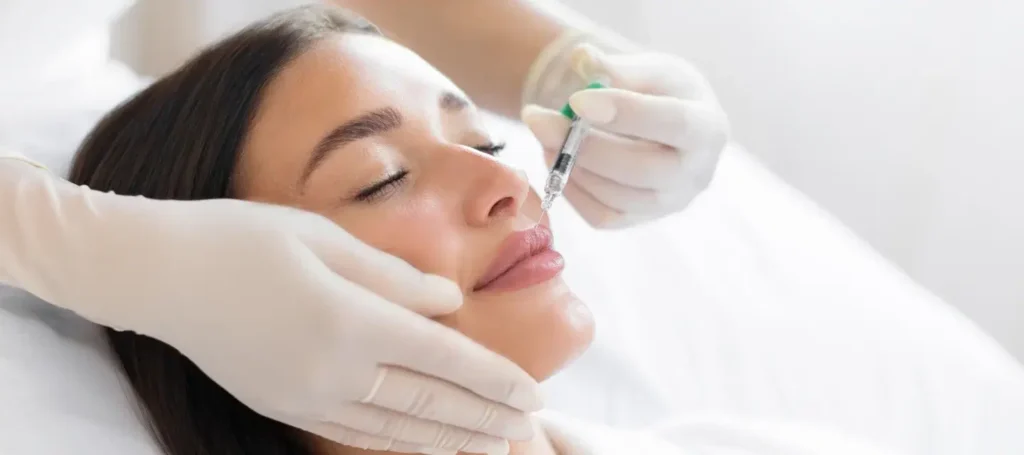
Facial aging is a natural process, but many people today are interested in maintaining a refreshed and expressive appearance as they move through different stages of life. Fine lines, forehead creases, frown lines, and crow’s feet can gradually become more noticeable as repeated facial movements interact with changes in skin structure.
Botox has become one of the most recognized non-surgical approaches for addressing dynamic facial wrinkles. Rather than adding volume to the skin, botulinum toxin temporarily reduces the activity of selected muscles responsible for expression lines. This can create a smoother appearance while still allowing carefully planned facial movement.
For individuals researching botox dubai, modern treatment is increasingly centered around precision, facial anatomy, conservative dosing, and personalized planning. Dr. Matteo Vigo’s published Botox guidance describes his approach as conservative and individualized, with an emphasis on enhancing rather than exaggerating a patient’s appearance.
What Is Botox?
Botox is a purified form of botulinum toxin type A used medically and cosmetically. In aesthetic applications, it temporarily reduces the nerve signals that cause specific muscles to contract.
When facial muscles repeatedly contract, the overlying skin folds and eventually develops visible dynamic lines. By temporarily relaxing selected muscles, Botox can reduce the intensity of these movements and soften the appearance of associated wrinkles.
This mechanism makes Botox different from dermal fillers. Fillers are generally used to restore or add volume, whereas Botox primarily addresses muscle activity associated with dynamic wrinkles.
How Botox Reduces Dynamic Wrinkles
Dynamic wrinkles are lines that become more visible when the face moves.
For example, repeatedly raising the eyebrows can contribute to horizontal forehead lines, while frowning can create vertical lines between the eyebrows. Smiling and squinting can contribute to lines around the outer corners of the eyes.
Botox works by temporarily reducing the muscle activity responsible for these movements. As the targeted muscles relax, the skin may appear smoother and the wrinkles less pronounced.
This makes identifying the type of wrinkle an important part of treatment planning.
Dynamic Wrinkles Versus Static Wrinkles
Not every facial line responds to Botox in the same way.
Dynamic wrinkles are primarily associated with repeated muscle movement. Static wrinkles, however, can remain visible even when the face is relaxed. These may be influenced by aging, collagen changes, sun exposure, skin quality, and loss of facial volume.
Botox is particularly suited to movement-related lines. Other concerns may require skincare, resurfacing treatments, dermal fillers, or surgical approaches depending on their cause and severity.
Understanding this distinction helps prevent the assumption that one injectable treatment can address every sign of facial aging.
Common Areas Treated With Botox
Botox can be used in several facial areas when medically and aesthetically appropriate.
Common cosmetic treatment areas include:
- Forehead lines
- Frown lines between the eyebrows
- Crow’s feet around the eyes
- Bunny lines around the nose
- Certain chin lines
- Selected neck bands
- Specific brow-positioning concerns
Dr. Matteo Vigo’s published Botox information discusses its use for forehead wrinkles, frown lines, crow’s feet, and other facial areas as part of an individualized aesthetic treatment plan.
The appropriate areas depend on facial anatomy, muscle activity, skin characteristics, and the patient’s aesthetic goals.
Forehead Lines and Botox
Forehead lines are among the most recognizable expression-related wrinkles.
They can become more noticeable when a person raises their eyebrows repeatedly. With time, some lines may remain partially visible even when the face is relaxed.
Careful Botox treatment can reduce excessive movement in the muscles responsible for these expressions.
However, the forehead is closely connected to eyebrow position and facial expression. Treatment therefore requires thoughtful assessment rather than simply targeting every visible line.
Frown Lines Between the Eyebrows
Frown lines, sometimes called glabellar lines, appear between the eyebrows when a person frowns or concentrates.
These lines can contribute to an appearance of tiredness, stress, or seriousness even when someone is feeling relaxed.
Botox can temporarily reduce the activity of the muscles responsible for these movements, helping soften the appearance of the lines.
Because this region involves several interacting muscles, accurate placement and individualized dosing are important.
Crow’s Feet and the Eye Area
Crow’s feet are fine lines that develop around the outer corners of the eyes and become particularly noticeable when smiling or squinting.
Because the area around the eyes is delicate, treatment requires careful consideration of muscle activity and facial expression.
The objective is generally to soften excessive wrinkling while maintaining the person’s natural ability to smile and express emotion.
Bunny Lines and Other Facial Expressions
Some individuals develop small horizontal lines around the upper sides of the nose when smiling, laughing, or making certain facial expressions.
These are sometimes called bunny lines.
Botox may be considered for selected patients when muscle activity is a significant contributor to these lines.
However, not every visible line requires treatment. A personalized assessment helps determine whether addressing the underlying muscle activity is appropriate.
Botox and Facial Expression
One common concern about Botox is the possibility of looking overly stiff or expressionless.
Modern aesthetic treatment does not necessarily require eliminating facial movement.
A conservative approach can focus on reducing excessive muscle activity while preserving an appropriate degree of expression.
Dr. Matteo Vigo’s Botox guide specifically describes his philosophy as “enhance, not exaggerate,” emphasizing individualized assessment and tailored treatment.
This philosophy is particularly relevant for patients who want to look refreshed rather than visibly treated.
Why Individualized Botox Dosing Matters
There is no single Botox dose that is appropriate for every patient.
Facial muscle strength, anatomy, gender, age, treatment area, previous treatment, and desired degree of movement can all influence the treatment plan.
A person with strong forehead muscles may require a different approach from someone with relatively subtle muscle activity.
Similarly, someone seeking very conservative wrinkle reduction may have different goals from someone looking for a more pronounced reduction in movement.
This is why treatment should be planned around the individual’s face rather than based solely on a standard number of units.
The Importance of Facial Anatomy
The face contains interconnected muscles that influence one another.
Changing the activity of one muscle can affect the appearance or movement of nearby structures. This is particularly important around the forehead and eyebrows.
A practitioner with a strong understanding of facial anatomy can use this knowledge when determining injection locations and treatment intensity.
For Dr. Matteo Vigo, assessing facial anatomy and listening to individual concerns are described as important components of his personalized Botox approach.
Botox Versus Dermal Fillers
Botox and dermal fillers are often discussed together, but they serve different purposes.
Botox primarily reduces targeted muscle activity. Dermal fillers are designed to add or restore volume in selected areas.
For example, Botox may be appropriate for dynamic forehead or frown lines, while a filler may be considered for facial volume loss or certain static contours.
Some patients may benefit from a combination of treatments, but this should be determined through individual assessment rather than assuming that multiple procedures are always necessary.
Botox Versus Skin Rejuvenation Treatments
Skin texture and muscle activity are separate aspects of facial aging.
Botox can reduce the movement responsible for dynamic wrinkles, but it does not directly resurface the skin or correct every pigmentation or texture concern.
Depending on the patient’s needs, other aesthetic approaches may focus on:
- Skin texture
- Pigmentation
- Acne scarring
- Collagen stimulation
- Skin hydration
- Skin laxity
Dr. Matteo Vigo’s broader aesthetic medicine practice includes botulinum toxin alongside dermal fillers, chemical peels, laser and IPL treatments, platelet-rich plasma, scar management, and other aesthetic procedures.
Preventative Botox and Early Wrinkle Management
Some adults consider Botox before deep wrinkles become established.
The idea behind preventative treatment is to reduce repeated muscle movement that contributes to the gradual formation of expression lines.
However, preventative treatment should still be individualized. Age alone does not determine whether someone needs Botox.
A consultation can help determine whether visible dynamic wrinkles, facial movement patterns, and the patient’s personal goals justify treatment.
Dr. Matteo Vigo’s published Botox guidance includes people interested in managing early signs of aging among those who may consider treatment.
Botox for Different Stages of Adult Life
People seek Botox for different reasons at different ages.
Younger adults may be interested in managing early expression lines. People in their thirties and forties may want to soften increasingly visible forehead or frown lines. Older adults may consider Botox as one component of a broader rejuvenation plan.
There is no universal age at which Botox becomes appropriate.
Instead, treatment should be based on facial anatomy, visible concerns, expectations, and medical suitability.
What Happens During a Botox Consultation?
A consultation provides an opportunity to discuss concerns before any injections are performed.
The practitioner may assess:
- Facial movement
- Muscle strength
- Existing wrinkles
- Skin condition
- Facial proportions
- Previous Botox treatments
- Other aesthetic procedures
- Desired level of movement
- Personal expectations
The practitioner can then explain which areas may benefit from treatment and which concerns may be better addressed through another approach.
For first-time patients, this discussion can be particularly valuable because it establishes realistic expectations before treatment begins.
What Happens During the Treatment?
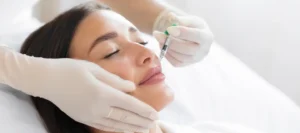
Botox treatment generally involves a series of small injections into carefully selected muscles.
The injection process is usually relatively quick. The number of injection points depends on the treatment areas and individualized plan.
Because the needles used for aesthetic injections are small, many patients describe the procedure as manageable. Some practitioners may use simple comfort measures when appropriate.
The exact technique and injection pattern should be determined by the treating medical professional.
How Long Does a Botox Appointment Take?
Botox appointments are generally relatively short compared with surgical procedures.
The treatment itself may take only a limited amount of time, although consultation and facial assessment can add to the overall appointment.
The convenience of a short procedure is one reason Botox has become popular among adults who want a minimally invasive approach to facial rejuvenation.
However, treatment should never be rushed simply because the injection process is quick. Assessment and planning remain essential.
When Do Botox Results Appear?
Botox does not generally produce its complete effect immediately.
Muscle relaxation develops gradually after treatment. Some patients may notice early changes within several days, while the full effect is commonly assessed around two weeks after treatment.
This gradual development is one reason follow-up assessment can be useful, particularly for first-time patients.
How Long Can Botox Results Last?
The duration of Botox results varies between individuals.
Factors such as the treated area, muscle activity, dose, individual metabolism, and treatment history can influence how long the effect remains noticeable.
Many cosmetic Botox treatments last approximately three to four months, although individual results can vary.
As muscle activity gradually returns, wrinkles may become more visible again.
Why Maintenance Treatment Is Individual
Botox does not have to follow a rigid schedule for every patient.
Some individuals may choose repeat treatment when movement becomes noticeable again, while others may prefer longer intervals.
The appropriate maintenance approach depends on the person’s goals and response to previous treatment.
Regular assessment can help determine whether the same treatment pattern remains appropriate or whether the plan should be adjusted.
Aftercare Following Botox
Post-treatment instructions can vary according to the practitioner and treatment area.
Patients should follow the specific instructions provided by their treating clinician.
Generally, it is sensible to avoid unnecessary manipulation or pressure on freshly treated areas and to discuss exercise, skincare, and other activities with the practitioner.
The goal is to allow the treatment to settle while monitoring how the facial muscles respond.
What Makes Modern Botox Different?
The modern approach to Botox has moved beyond simply trying to eliminate wrinkles.
Today’s patients often want facial rejuvenation that preserves individuality and expression.
This means the practitioner may consider:
- Which wrinkles are actually bothersome
- How strongly the muscles move
- Which muscles should remain active
- How eyebrow position may be affected
- How treatment fits the overall facial structure
- Whether another treatment would better address the concern
This more nuanced approach can produce results that look less obvious and more harmonious.
Botox and Natural Facial Movement
Facial movement is part of identity.
Smiling, laughing, raising the eyebrows, and expressing surprise all contribute to how people communicate.
A thoughtful Botox treatment therefore does not necessarily aim to eliminate these movements completely.
Instead, treatment can be adjusted to soften excessive movement while maintaining a natural range of expression.
Dr. Matteo Vigo’s published Botox guide emphasizes conservative treatment and the goal of refreshing rather than altering the patient’s appearance.
Botox for Men
Botox is not exclusively a treatment for women.
Men may seek treatment for forehead lines, frown lines, crow’s feet, and other expression-related concerns.
Because male facial anatomy and muscle strength can differ from female anatomy, treatment should still be individualized.
The objective can be to create a refreshed appearance while preserving masculine facial characteristics and natural expression.
Botox and Facial Harmony
Wrinkle reduction is only one part of facial aesthetics.
The appearance of the forehead, eyebrows, eyes, cheeks, nose, lips, chin, and jawline is interconnected.
For this reason, a practitioner may consider the overall facial balance before recommending treatment.
Sometimes treating a single area can create a meaningful improvement. In other cases, the patient’s concern may involve volume loss or skin quality rather than muscle activity.
A detailed assessment helps identify the underlying issue.
When Botox May Not Be the Right Treatment
Botox is highly useful for certain dynamic wrinkles, but it is not a universal solution for facial aging.
A patient with significant skin laxity, substantial volume loss, deep static lines, or pronounced structural changes may require another treatment approach.
Possible alternatives may include:
- Dermal fillers
- Skin resurfacing
- Skin-tightening procedures
- Regenerative treatments
- Surgical facial rejuvenation
The right treatment is the one that addresses the actual cause of the patient’s concern.
The Importance of Medical Assessment
Botox is a medical injectable treatment and should be approached as such.
Before treatment, patients should provide relevant information about their medical history, medications, allergies, previous cosmetic procedures, and other factors that could influence treatment suitability.
Certain medical conditions and circumstances can affect whether Botox is appropriate.
A qualified medical practitioner can determine suitability during consultation and explain any relevant considerations.
Choosing a Qualified Botox Practitioner
The quality of Botox treatment depends heavily on the person administering it.
When researching botox dubai, patients should consider the practitioner’s medical qualifications, knowledge of facial anatomy, experience with injectable treatments, approach to individualized dosing, and ability to manage the complete treatment process.
A consultation should provide an opportunity to ask questions and understand why a particular treatment plan has been recommended.
Dr. Matteo Vigo’s published guidance emphasizes facial assessment, patient communication, realistic expectations, and tailored treatment rather than a standardized approach.
Questions to Ask Before Botox Treatment
Before treatment, patients may want to ask:
- Which wrinkles can Botox realistically improve?
- Is my concern caused by muscle movement or volume loss?
- Which areas would you recommend treating?
- How much movement will remain?
- When should I expect results?
- How long might the effect last?
- Will I need a follow-up assessment?
- Would fillers or another treatment be more appropriate?
- What aftercare instructions should I follow?
- How often might maintenance treatment be appropriate?
These questions can make the consultation more informative and help establish realistic expectations.
The Role of Dr. Matteo Vigo in Modern Botox Treatment
Dr. Matteo Vigo’s published Botox guidance describes an approach centered on conservative treatment, facial assessment, and individualized planning.
His philosophy is summarized around the principle of enhancing rather than exaggerating the patient’s appearance. The guidance also emphasizes discussing realistic outcomes and helping patients feel informed before treatment.
His broader aesthetic medicine practice includes botulinum toxin alongside fillers, skin treatments, laser and IPL procedures, body contouring, and other aesthetic options.
This broader perspective can be useful when determining whether Botox alone is appropriate or whether another treatment may better address a particular concern.
Why Conservative Treatment Can Be Effective
More Botox does not automatically mean a better result.
The objective is to use an appropriate amount in the appropriate location to achieve the desired degree of muscle relaxation.
An overly aggressive approach may produce more restriction of movement than a patient wants.
Conservative treatment allows the practitioner to focus on subtle improvement and facial balance, particularly when the patient’s priority is to continue looking like themselves.
Botox and Long-Term Facial Rejuvenation
Botox can be one component of a longer-term aesthetic strategy.
Some patients may use it periodically to manage dynamic wrinkles, while also maintaining a consistent skincare routine and addressing other aspects of facial aging as they develop.
The treatment plan can evolve as facial structure and skin characteristics change.
A patient who initially needs only Botox may eventually benefit from a different approach as volume loss or skin laxity becomes more prominent.
Regular reassessment is therefore more valuable than following a fixed treatment plan indefinitely.
A Personalized Approach to Botox Dubai
For individuals exploring botox dubai, the most important consideration is not simply how quickly the treatment can be performed.
The quality of the assessment and treatment plan matters just as much.
Modern wrinkle reduction is about understanding why a wrinkle appears, identifying the muscles involved, considering facial proportions, and deciding how much movement should be reduced.
Dr. Matteo Vigo’s approach emphasizes personalized assessment and conservative treatment designed to refresh rather than dramatically change facial appearance.
This philosophy reflects the broader movement toward subtle and individualized aesthetic medicine.
Final Thoughts
Botox has become an important tool in modern facial rejuvenation because it can temporarily reduce the muscle activity responsible for many dynamic wrinkles without requiring surgery.
Its effectiveness, however, depends on using the right treatment for the right concern.
For someone considering botox dubai, a thoughtful consultation can help determine whether forehead lines, frown lines, crow’s feet, or another expression-related concern is suitable for Botox and whether additional treatments may be more appropriate.
With careful facial assessment, individualized dosing, appropriate technique, and realistic expectations, Botox can provide a refreshed appearance while allowing patients to retain their natural character and expression.
Dr. Matteo Vigo’s conservative, personalized approach highlights an important principle of modern aesthetic medicine: the objective is not to erase individuality, but to enhance the features that already make you uniquely you.