As the skin ages, changes in collagen production, elasticity, and facial volume can gradually affect its firmness and definition. Areas such as the cheeks, jawline, lower face, and neck may begin to appear less lifted than they once did. For people looking for a minimally invasive approach to improving facial contours, a thread lift can be an option worth exploring.
A thread lift uses specially designed medical threads placed beneath the skin to provide support and create a more lifted appearance. The treatment can also encourage natural collagen activity around the treated area, helping the skin develop a firmer and more supported appearance over time.
For anyone researching Thread Lift in London, understanding how the treatment works, what happens during the procedure, and how the results develop can help provide a clearer picture of what to expect.
What Is a Thread Lift?
A thread lift is a minimally invasive aesthetic treatment designed to reposition and support selected areas of facial tissue. During treatment, specially designed threads are inserted beneath the skin using carefully planned entry points.
The threads provide structural support to the treated tissues. Depending on the type of thread and technique used, they may also stimulate collagen production around the treatment area.
Unlike traditional facelift surgery, a thread lift does not involve the larger surgical incisions associated with a conventional facelift. Instead, the procedure focuses on supporting and lifting specific areas through strategically positioned threads.
The exact approach depends on the patient’s facial anatomy, skin condition, and desired outcome.
How Does a Thread Lift Lift the Skin?
The lifting effect of a thread lift comes primarily from the way the threads are positioned beneath the skin.
Once placed, the threads provide support to the surrounding tissues. Some thread designs include structures that help engage the tissue, allowing the practitioner to create a controlled lifting effect.
The threads are positioned according to the desired direction of lift. This means treatment is not simply about inserting threads into the skin; careful planning is required to determine where the threads should be placed to complement the natural contours of the face.
The result is intended to create a more supported and defined appearance in the selected area.
How Does a Thread Lift Tighten the Skin?
In addition to providing physical support, thread treatment can encourage the body’s natural collagen response.
Collagen is an important structural protein that contributes to the firmness and elasticity of the skin. As the body responds to the presence of the threads, collagen can gradually develop around the treated areas.
This process can help improve the appearance and texture of the skin over time. Therefore, the treatment can have both an immediate structural component and a longer-term collagen-related component.
The degree of tightening varies according to factors such as skin quality, age, facial structure, and the treatment plan.
What Are Thread Lift Threads Made From?
Different types of threads may be used in aesthetic medicine. One commonly discussed option is PDO, which stands for polydioxanone.
PDO Thread Lift London treatments use absorbable threads that are designed to gradually break down within the body after placement.
Other thread materials and designs may also be available depending on the treatment approach and clinic. The appropriate option depends on the individual’s needs and the practitioner’s assessment.
During a consultation, patients can discuss which type of thread is being recommended and why it may be appropriate for their treatment goals.
What Happens During a Thread Lift Treatment?
Before the treatment begins, the practitioner assesses the face and identifies the areas where additional support or lifting may be beneficial.
The treatment area is then prepared according to the clinic’s procedure. Local anaesthetic or another appropriate form of comfort management may be used depending on the treatment plan.
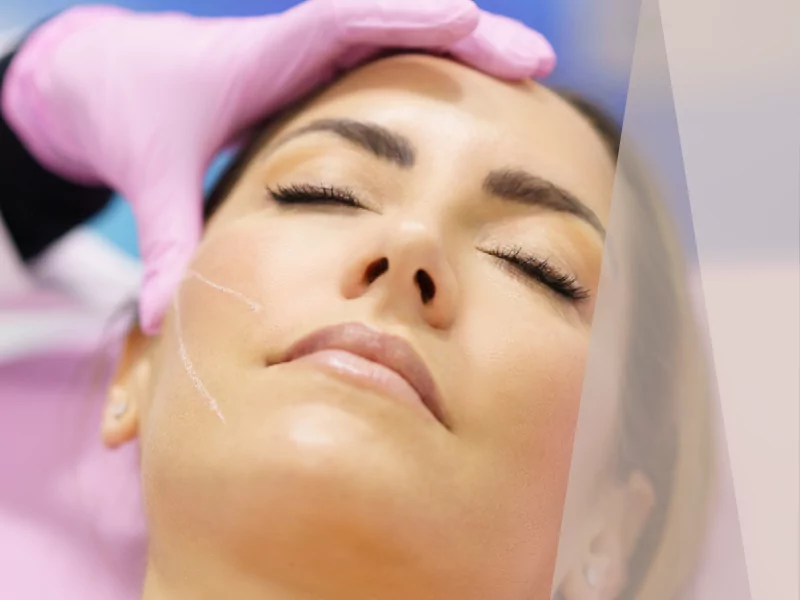
The practitioner introduces the threads beneath the skin through carefully selected entry points. The threads are positioned along predetermined pathways to provide the intended support.
Once the threads are placed, the practitioner adjusts the positioning where necessary to achieve the planned lifting effect. The treatment area is then assessed before the procedure is completed.
The process is designed around the patient’s facial structure rather than using an identical thread placement pattern for every person.
Which Areas Can a Thread Lift Treat?
Thread lifts can be used for selected areas of the face and, in some cases, the neck. Common areas considered for treatment include the cheeks, jawline, lower face, and areas where mild tissue descent has become noticeable.
The treatment may be particularly relevant for individuals who want to improve facial definition without undergoing conventional facelift surgery.
However, not every facial concern can be addressed with a thread lift. A consultation helps determine which areas may respond appropriately to the treatment.
How Can a Thread Lift Improve the Jawline?
The jawline is one of the areas where changes in skin firmness can become particularly noticeable.
When tissues become less supported, the transition between the lower face and neck can appear softer. Strategically placed threads can provide support to selected tissues and help create a more defined appearance along the jawline.
The amount of improvement depends on the individual’s existing facial structure and degree of tissue laxity.
For this reason, thread placement needs to be carefully planned rather than simply concentrated along the visible area of concern.
Can a Thread Lift Improve Cheek Definition?
Cheek tissues can gradually descend as facial support changes with age. A thread lift may be used to provide additional support to selected areas of the mid-face.
By positioning threads along appropriate vectors, the practitioner can create a lifting effect that may improve the appearance of the cheeks and surrounding facial contours.
The objective is generally to work with the natural shape of the face rather than create an excessive or artificial-looking elevation.
How Does Collagen Support the Treatment?
Collagen is central to the skin’s structure. Its production and organisation can change with age, contributing to reduced firmness and elasticity.
When absorbable threads are placed beneath the skin, the surrounding tissue can respond by producing collagen. Over time, this collagen activity may contribute to improved skin support and texture.
This means the effects of a thread lift can evolve after the initial treatment. The structural support provided by the threads and the gradual collagen response can work together as part of the overall treatment process.
How Long Does a Thread Lift Treatment Take?
The treatment time depends on the number of areas being treated, the number of threads required, and the complexity of the treatment plan.
A treatment focused on a small facial area may take less time than one involving multiple regions.
During the consultation, the practitioner can provide a more accurate estimate based on the areas being treated and the selected technique.
When Can You See Thread Lift Results?
One of the distinctive aspects of a thread lift is that results can develop in stages.
An initial lifting effect may be visible following treatment because the threads provide immediate structural support to the targeted tissues. As the treatment area settles, the appearance may continue to change.
The collagen response develops more gradually. As collagen forms around the treated tissues, further improvements in firmness and skin quality may become noticeable.
The precise timeline differs between individuals and depends on the treatment area, thread type, skin condition, and individual response.
What Is Recovery Like After a Thread Lift?
The recovery period following a thread lift varies according to the extent and location of treatment.
Patients are given individual aftercare instructions designed around their specific procedure. These instructions may include guidance on facial movements, skincare, sleeping position, exercise, and other everyday activities.
The treated area may need time to settle before the final appearance can be properly assessed.
Following the practitioner’s instructions and attending recommended follow-up appointments are important parts of the treatment process.
How Is a Thread Lift Personalised?
Facial anatomy differs significantly from one person to another. The position of the cheeks, jawline, skin quality, tissue volume, and natural facial proportions all influence how a thread lift should be planned.
During a consultation, the practitioner may assess:
- The position of the facial tissues
- Skin laxity
- Jawline definition
- Cheek position
- Facial symmetry
- Skin quality
- Areas where lifting is desired
- The patient’s aesthetic objectives
The thread type, number of threads, placement, and direction of lift can then be selected according to the individual’s needs.
Thread Lift Versus Traditional Facelift
A thread lift and a traditional facelift are different treatment approaches.
A facelift is a surgical procedure that involves incisions and repositioning of deeper facial tissues. A thread lift is minimally invasive and uses threads positioned beneath the skin to provide support and a lifting effect.
The choice between these approaches depends on the degree of facial ageing, skin laxity, anatomy, and the patient’s expectations.
A consultation is useful for determining whether a thread lift is appropriate or whether another treatment approach would better address the individual’s concerns.
What Should You Discuss During a Thread Lift Consultation?
A consultation provides an opportunity to understand the procedure and how it may be adapted to your facial structure.
Important questions can include:
- Which areas of my face could benefit from a thread lift?
- Which type of thread would you recommend?
- How many threads may be required?
- Where would the threads be positioned?
- How does the treatment create a lifting effect?
- How does collagen production contribute to the results?
- When should I expect to see changes?
- How long does recovery usually take?
- What aftercare will I need?
- Would another treatment be more appropriate for my goals?
A detailed consultation allows the treatment plan and expectations to be discussed clearly before proceeding.
Choosing a Thread Lift Clinic in London
When searching for a Thread Lift Clinic in London, it is important to consider the practitioner’s experience with thread-based treatments and the quality of the consultation process.
A good treatment plan should take into account facial anatomy, skin condition, the desired direction of lift, and the patient’s overall aesthetic objectives.
The bodyvie clinic provides an environment where patients can explore aesthetic treatment options and discuss their individual requirements during a consultation.
Understanding the treatment approach before proceeding can help patients make a more informed decision about whether a thread lift suits their needs.
Who May Consider a Thread Lift?
A thread lift may be considered by individuals who are beginning to notice mild to moderate changes in facial firmness or definition and prefer a minimally invasive approach.
It may be explored by people concerned about areas such as the cheeks, jawline, lower face, or neck.
However, suitability is individual. The degree of tissue laxity, skin quality, facial structure, and treatment expectations all need to be considered during a professional assessment.
Conclusion
A Thread Lift in London is a minimally invasive aesthetic treatment designed to provide support and lifting to selected areas of the face. By strategically positioning absorbable threads beneath the skin, the treatment can create a lifting effect while also encouraging collagen activity around the treated tissues.
PDO Thread Lift London treatments are one approach that uses absorbable polydioxanone threads. As the threads gradually break down, the collagen response can continue to contribute to the appearance of the treated area.
The treatment is highly dependent on careful planning. Facial anatomy, skin quality, tissue position, and aesthetic goals all influence how threads are placed and which areas are treated.
For anyone considering a Thread Lift Clinic in London, a detailed consultation can provide a clearer understanding of the available options, the proposed treatment plan, and how the procedure may help improve facial definition and skin firmness.
FAQs
What is a Thread Lift in London?
A Thread Lift in London is a minimally invasive aesthetic treatment in which specially designed threads are positioned beneath the skin to provide support and create a lifting effect in selected facial areas.
How does a thread lift lift the skin?
The threads are strategically positioned beneath the skin to provide structural support to selected tissues. Some thread designs engage the surrounding tissue and allow the practitioner to create a controlled lifting effect.
Does a thread lift tighten loose skin?
A thread lift can support selected tissues and may stimulate collagen production around the treatment area. These effects can contribute to a firmer and more supported appearance.
What is a PDO Thread Lift?
A PDO thread lift uses threads made from polydioxanone, an absorbable material used in aesthetic treatments. The threads provide temporary structural support while also encouraging a collagen response in the surrounding tissue.
How long does a PDO Thread Lift London treatment take?
The duration depends on the areas being treated and the number of threads required. Your practitioner can provide an estimated treatment time during your consultation.
Which areas can be treated with a thread lift?
Common areas include the cheeks, jawline, lower face, and selected areas of the neck. The appropriate treatment areas depend on the individual’s facial structure and aesthetic goals.
When will I see results from a thread lift?
An initial lifting effect may be visible after treatment, while further changes can develop gradually as the tissues settle and collagen remodelling takes place.
Does a thread lift stimulate collagen?
Yes. Absorbable threads can encourage a collagen response around the treated tissues. This process develops gradually and can contribute to skin firmness and support.
Is a thread lift the same as a facelift?
No. A thread lift is minimally invasive and uses threads beneath the skin, while a facelift is a surgical procedure involving incisions and repositioning of facial tissues.
How long does thread lift recovery take?
Recovery varies according to the treatment area and extent of the procedure. Your practitioner will provide personalised aftercare instructions and guidance on returning to normal activities.
How do I choose a Thread Lift Clinic in London?
When choosing a Thread Lift Clinic in London, consider the practitioner’s experience, consultation process, treatment planning, and their approach to assessing your individual facial anatomy.
Can a thread lift be personalised?
Yes. Thread type, placement, number, direction, and treatment areas can be selected according to the individual’s facial structure, skin condition, and desired aesthetic outcome.
What should I ask before having a thread lift?
You can ask about the recommended thread type, treatment areas, placement technique, expected results, recovery period, aftercare, and whether the procedure is suitable for your particular concerns.