Tennis Elbow Treatment Dubai: Improve Elbow Function with Expert Care
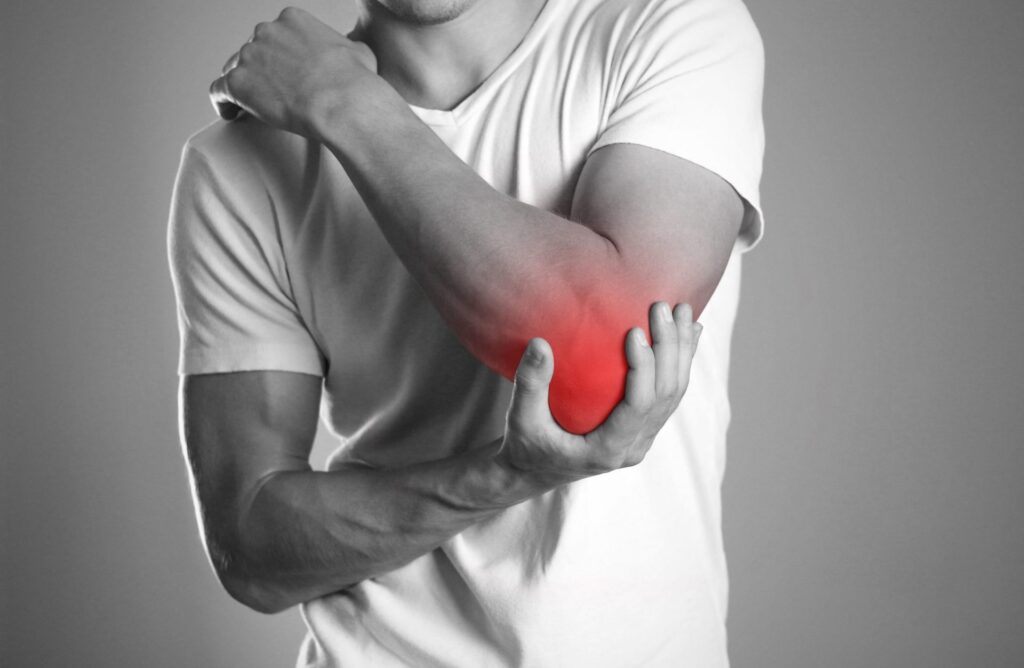
Tennis elbow is a common condition that can make everyday arm movements uncomfortable. Despite its name, it does not only affect tennis players. Repetitive gripping, lifting, typing, using tools, household activities, and other movements involving the wrist and forearm can contribute to pain around the outside of the elbow.
Symptoms may include pain around the outer elbow, tenderness, forearm discomfort, difficulty gripping objects, and discomfort when moving the wrist or lifting. In some cases, the pain can interfere with work, exercise, sleep, and routine activities.
A structured physiotherapy program can help address these limitations by focusing on appropriate activity modification, mobility, progressive strengthening, and functional rehabilitation. Tennis Elbow Treatment Dubai at Vitruvian Italian Physiotherapy Center can be approached through individualized physiotherapy based on the patient’s symptoms, physical requirements, and rehabilitation goals.
What Is Tennis Elbow?
Tennis elbow, commonly known as lateral elbow pain or lateral epicondylitis, involves discomfort around the outer part of the elbow. It is generally associated with the tendons and muscles responsible for movements of the wrist and forearm.
The condition can develop when the tissues are repeatedly exposed to loads that exceed their current capacity. Activities involving frequent gripping, lifting, twisting, or wrist movements can contribute to symptoms.
Although tennis players can develop the condition, many people experience tennis elbow without playing tennis at all.
Common Symptoms of Tennis Elbow
The symptoms of tennis elbow can vary from mild discomfort to pain that interferes with everyday activities.
Common symptoms include:
- Pain on the outside of the elbow
- Tenderness around the elbow
- Forearm discomfort
- Pain while gripping objects
- Discomfort when lifting
- Pain during wrist movements
- Reduced grip strength
- Difficulty fully straightening the elbow in some cases
The NHS identifies pain around the outside of the elbow as the primary symptom and notes that gripping, lifting, bending the arm, and moving the wrist can aggravate symptoms.
If these symptoms persist or interfere with normal activities, professional assessment can help determine the appropriate rehabilitation approach.
Why Tennis Elbow Can Affect Everyday Life
The elbow and wrist work together during many ordinary activities. Holding a cup, opening a jar, carrying a bag, using a computer mouse, preparing food, or lifting an object can all involve the muscles and tendons around the elbow.
For people who work with their hands, even relatively small amounts of discomfort can become frustrating when repeated throughout the day.
A physiotherapist can assess how daily activities are loading the affected tissues and help develop practical strategies for modifying activity while maintaining appropriate movement.
Understanding the Causes of Tennis Elbow
Tennis elbow is commonly associated with repeated or excessive loading of the muscles and tendons around the forearm.
Possible contributing activities include:
- Repetitive gripping
- Tennis and racket sports
- Weight training
- Manual work
- Gardening
- Sewing
- Using hand tools
- Prolonged computer work
- Repetitive wrist movements
- Sudden increases in physical activity
The NHS notes that activities involving repeated gripping and twisting of the wrist and forearm can contribute to tennis elbow.
Understanding the activity that contributes to symptoms is an important part of Tennis Elbow Treatment Dubai because rehabilitation should address not only the painful area but also the physical demands that may be contributing to the problem.
The Importance of a Physiotherapy Assessment
A thorough assessment can help establish how the elbow is functioning and what factors may be contributing to the symptoms.
A physiotherapist may evaluate:
- Pain location
- Elbow mobility
- Wrist movement
- Grip strength
- Forearm strength
- Functional movement
- Repetitive activities
- Work requirements
- Sports participation
- Previous injuries
This information can be used to develop an individualized rehabilitation program.
At Vitruvian Italian Physiotherapy Center, the published physiotherapy approach emphasizes assessment of medical history, movement patterns, muscle function, and joint mobility before establishing personalized treatment goals.
How Physiotherapy Supports Elbow Recovery
Physiotherapy can help address tennis elbow through a combination of education, activity modification, exercise, and selected hands-on techniques.
A rehabilitation program may include:
- Relative activity modification
- Wrist and forearm strengthening
- Stretching
- Grip exercises
- Mobility work
- Manual therapy
- Functional retraining
- Gradual return to exercise
Exercise is particularly important because the forearm muscles and tendons need to progressively adapt to physical demands. NHS physiotherapy resources emphasize progressive strengthening and loading as important components of tennis elbow rehabilitation.
The Role of Activity Modification
Complete inactivity is not usually the long-term objective of tennis elbow rehabilitation.
Instead, activity modification can help reduce excessive loading while maintaining appropriate movement.
For example, someone who experiences pain during heavy gripping may temporarily reduce the amount of force or frequency of that activity. An office worker may adjust mouse use or hand positioning. An athlete may temporarily modify training volume.
The aim is to find an appropriate balance between reducing aggravating loads and progressively rebuilding tolerance.
Why Progressive Exercise Matters
The muscles and tendons around the elbow need adequate strength and endurance to handle everyday and sporting activities.
A progressive exercise program can help improve:
- Forearm strength
- Grip strength
- Wrist control
- Muscle endurance
- Functional capacity
The AAOS therapeutic exercise program for epicondylitis describes stretching and strengthening exercises as ways to improve muscle endurance and resistance to repetitive stress, while emphasizing that exercises should be performed with appropriate professional guidance.
This makes exercise an important component of Tennis Elbow Treatment Dubai.
Wrist Extensor Strengthening
The wrist extensor muscles are closely associated with the outer elbow and can be important targets during rehabilitation.
A physiotherapist may prescribe controlled wrist extension exercises using:
- Light weights
- Resistance bands
- Isometric resistance
- Progressive loading
The resistance should be appropriate to the individual’s current capacity.
As strength improves, exercises can gradually become more demanding.
Isometric Exercises for the Forearm
Isometric exercises involve contracting a muscle without substantial joint movement.
For tennis elbow, a physiotherapist may use an isometric wrist-extension exercise where the patient gently pushes against resistance while keeping the wrist relatively stationary.
These exercises can provide an early strengthening option for some individuals.
NHS rehabilitation guidance includes isometric wrist-extension exercises among approaches used for tennis elbow.
The exact intensity and duration should be individualized rather than copied from a general program.
Eccentric Strengthening
Eccentric exercises involve controlled lengthening of a muscle while it produces force.
For tennis elbow rehabilitation, controlled wrist-lowering exercises may be used to progressively load the forearm muscles.
Some NHS rehabilitation programs emphasize slow lowering during wrist-strengthening exercises.
A physiotherapist can determine when eccentric loading is appropriate and how much resistance should be used.
Improving Grip Strength
Grip strength can be affected when tennis elbow causes pain during gripping activities.
A progressive rehabilitation program may therefore incorporate grip exercises.
These might involve squeezing an appropriate object or using resistance equipment under professional guidance.
The objective is to gradually improve the ability of the hand and forearm to tolerate gripping without excessive irritation.
Forearm Mobility and Stretching
Mobility exercises can help maintain comfortable movement of the wrist, forearm, and elbow.
Depending on the patient’s condition, a physiotherapist may introduce controlled stretches for the forearm muscles.
NHS rehabilitation resources include forearm stretching alongside strengthening exercises as part of tennis elbow management.
Stretching should remain appropriate to the patient’s symptoms and should not be forced aggressively.
Manual Therapy for Tennis Elbow
Manual therapy can sometimes be incorporated into a broader physiotherapy program.
Depending on the assessment, treatment may involve hands-on techniques directed toward the elbow, wrist, forearm, or surrounding tissues.
The purpose may be to support mobility and comfortable movement while the patient progresses through active rehabilitation.
At Vitruvian Italian Physiotherapy Center, manual therapy is listed among the physiotherapy techniques used within its broader rehabilitation services.
Importantly, manual treatment should complement active exercise rather than replace the strengthening and progressive loading needed for longer-term functional improvement.
Tennis Elbow and Computer Work
Tennis elbow is not limited to sports. Computer use can involve repeated wrist and forearm activity, especially when combined with prolonged mouse use or other repetitive hand movements.
Office workers may benefit from reviewing:
- Mouse positioning
- Keyboard setup
- Wrist position
- Frequency of movement breaks
- Repetitive hand movements
- Workstation habits
A physiotherapist can provide individualized guidance based on the person’s symptoms and work demands.
Tennis Elbow in Athletes
Athletes may develop tennis elbow through repeated gripping, wrist movements, and racket or training activities.
Tennis players are an obvious example, but similar physical demands can occur in:
- Badminton
- Squash
- Weightlifting
- Rowing
- Climbing
- Golf
- Racquet sports
- Certain throwing activities
Sports rehabilitation should consider the specific movements involved in the athlete’s activity.
Vitruvian Italian Physiotherapy Center provides sports rehabilitation services that include clinical strengthening, exercise therapy, biomechanical analysis, screening, injury-prevention programs, and return-to-play preparation.
Returning to Sport After Tennis Elbow
Returning to sport should be progressive.
An athlete may initially need to reduce the duration or intensity of training before gradually increasing physical demands.
Rehabilitation can progress through:
- Basic mobility and symptom management
- Isometric strengthening
- Progressive wrist and forearm strengthening
- Grip strengthening
- Functional exercises
- Sport-specific movements
- Gradual return to full training
The goal is to restore the physical capacity required for the sport rather than simply waiting for symptoms to disappear.
Tennis Elbow and Weight Training
Weight training can place substantial demands on the forearm and elbow.
Exercises involving heavy gripping may aggravate symptoms when the tissues are not prepared for the workload.
A physiotherapist can help modify:
- Weight
- Repetitions
- Grip
- Wrist position
- Exercise selection
- Training frequency
As symptoms and strength improve, loading can gradually be increased.
Managing Tennis Elbow at Work
People who perform manual work may repeatedly grip, twist, lift, or use tools throughout the day.
Completely stopping work may not always be practical. Instead, treatment may focus on managing the physical workload and gradually increasing tolerance.
Useful strategies may include:
- Taking appropriate movement breaks
- Alternating repetitive tasks where possible
- Adjusting grip techniques
- Using suitable equipment
- Reducing unnecessary force
- Gradually increasing workload
These strategies can complement a physiotherapy strengthening program.
The Importance of Load Management
One of the most important principles in tennis elbow rehabilitation is managing the amount of load placed on the affected tissues.
If physical demands suddenly increase, the tissues may struggle to tolerate the change.
For example, someone may suddenly begin a new weight-training routine, increase tennis sessions, or perform extensive manual work.
A progressive approach gives the body time to adapt.
NHS musculoskeletal guidance identifies load management as an important part of understanding and managing tennis elbow.
Modern Physiotherapy Techniques
Modern physiotherapy can combine exercise and manual treatment with selected therapeutic modalities when appropriate.
Vitruvian Italian Physiotherapy Center lists several modalities among its physiotherapy services, including electrotherapy, Tecar therapy, ultrasound therapy, shockwave therapy, and cryoultrasound therapy.
These techniques may be considered according to the patient’s presentation and rehabilitation objectives. They should be viewed as part of an individualized treatment plan rather than a replacement for progressive exercise.
Shockwave Therapy and Tennis Elbow
Shockwave therapy is one modality sometimes used in physiotherapy for persistent tendon-related problems.
Its suitability depends on the patient’s condition, duration of symptoms, clinical assessment, and overall rehabilitation strategy.
Where used, it may form part of a broader treatment plan that includes progressive strengthening and activity modification.
A physiotherapist should determine whether it is appropriate for the individual patient.
Ultrasound Therapy
Ultrasound therapy uses sound waves as a physiotherapy modality.
The NHS lists ultrasound therapy among treatments that may be considered for tennis elbow, alongside massage and stretching and strengthening exercises.
At Vitruvian Italian Physiotherapy Center, ultrasound therapy is also listed among available physiotherapy modalities.
The decision to use ultrasound should depend on the individual’s condition and treatment goals.
Building Elbow Endurance
Strength alone is not always enough for people whose work or sport requires repetitive arm activity.
Endurance is also important.
A rehabilitation program can progressively increase the duration or number of repetitions of appropriate exercises so the forearm becomes better prepared for sustained activity.
This can be particularly useful for:
- Office workers
- Manual workers
- Athletes
- Musicians
- Fitness enthusiasts
- People performing repetitive household activities
Improving Functional Elbow Movement
The ultimate goal of rehabilitation is to improve real-world function.
Exercises can eventually become more closely connected with the movements a patient needs to perform.
For example, a tennis player may progress toward racket-specific movements, while a manual worker may work toward controlled lifting and gripping tasks.
Functional rehabilitation helps connect strengthening exercises with everyday requirements.
When Should You Consider Physiotherapy?
Many cases of tennis elbow improve with time and appropriate self-management. However, professional assessment can be useful when symptoms persist or interfere with normal activities.
The NHS advises seeking medical advice if elbow pain continues after a period of rest and self-care, while physiotherapy may be considered when symptoms do not improve with initial measures.
Professional assessment can be particularly useful when:
- Pain persists for several weeks
- Grip strength has decreased
- Work becomes difficult
- Exercise is limited
- Symptoms repeatedly return
- The elbow becomes difficult to move
- You are unsure whether the problem is actually tennis elbow
When Elbow Pain Needs Further Medical Assessment
Not every elbow problem is tennis elbow.
Medical assessment is particularly important following significant trauma or when symptoms include unusual swelling, redness, fever, numbness, or tingling in the arm or hand. NHS guidance recommends professional evaluation in these circumstances.
A proper diagnosis helps ensure that the rehabilitation program is appropriate for the actual condition.
How Long Does Tennis Elbow Take to Improve?
Tennis elbow can take time to settle.
Some people improve within several weeks, while others experience symptoms for several months. The NHS notes that tennis elbow usually improves over time but can sometimes persist for longer than a year.
Progressive rehabilitation is therefore often a longer-term process rather than a quick fix.
Consistency with an appropriate exercise program can be important. Some physiotherapy guidance reports that meaningful improvements may develop over several weeks, while full recovery can take longer depending on the individual.
A Personalized Approach at Vitruvian Italian Physiotherapy Center
Vitruvian Italian Physiotherapy Center provides physiotherapy and rehabilitation services in Dubai with an emphasis on individualized treatment.
Its published services include:
- Manual therapy
- Exercise therapy
- Clinical strengthening
- Postural education
- Dry needling
- Kinesiotaping
- Joint manipulation
- Sports rehabilitation
- Biomechanical analysis
- Injury-prevention programs
- Return-to-play rehabilitation
The center also lists therapeutic modalities such as Tecar therapy, ultrasound therapy, electrotherapy, shockwave therapy, and cryoultrasound therapy.
This broad approach can be useful for patients whose tennis elbow affects work, sport, exercise, or everyday movement.
What to Expect During Tennis Elbow Rehabilitation
A physiotherapy program may progress through several stages.
Assessment: The physiotherapist evaluates the elbow, wrist, forearm, grip, movement, and activity demands.
Initial management: Aggravating activities may be modified while maintaining appropriate movement.
Early strengthening: Suitable isometric or low-load exercises may be introduced.
Progressive loading: Resistance and exercise complexity gradually increase.
Functional rehabilitation: Exercises become more closely connected to work, sport, or everyday activities.
Return to activity: Physical demands are gradually increased according to progress.
This structure allows rehabilitation to be adapted according to the patient’s response rather than following a rigid program.
Maintaining Elbow Health After Recovery
Once symptoms improve, maintaining appropriate strength and gradually increasing activity can help support continued function.
Useful long-term habits may include:
- Regular strengthening
- Gradual increases in exercise intensity
- Proper technique during sports
- Appropriate recovery between demanding sessions
- Avoiding sudden increases in repetitive activity
- Taking breaks during prolonged repetitive tasks
Tendons and muscles need time to adapt to changes in workload, so gradual progression remains important.
Conclusion
Tennis elbow can interfere with gripping, lifting, sports, computer work, manual tasks, and everyday activities. Although many cases improve over time, persistent symptoms may benefit from professional physiotherapy and a structured rehabilitation program.
Tennis Elbow Treatment Dubai can include activity modification, progressive strengthening, grip training, wrist and forearm exercises, mobility work, manual therapy, and selected physiotherapy modalities. Evidence-based rehabilitation guidance emphasizes progressive loading and strengthening as important elements of improving elbow function.
Vitruvian Italian Physiotherapy Center offers individualized physiotherapy and rehabilitation services, with approaches that include exercise therapy, clinical strengthening, manual therapy, sports rehabilitation, and selected therapeutic modalities.
For people considering Tennis Elbow Treatment Dubai, the goal should be to restore more than temporary comfort. A well-structured program can help improve elbow and forearm strength, increase tolerance for everyday activities, support a gradual return to exercise, and help patients regain confidence in using their arm.
With appropriate assessment, progressive rehabilitation, and consistent participation, Tennis Elbow Treatment Dubai can provide a structured pathway toward better elbow function and a more active lifestyle.