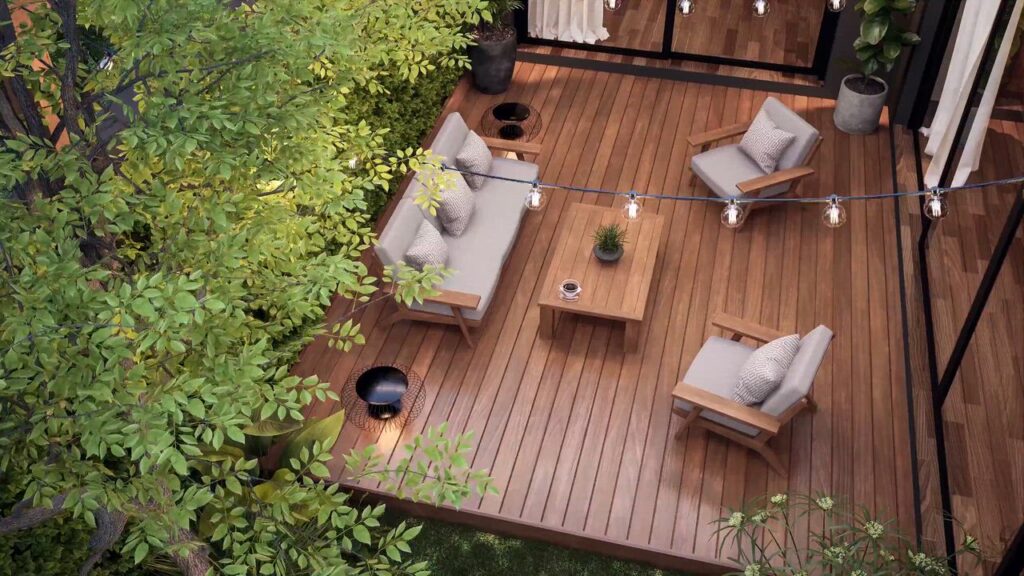
A backyard can become one of the most useful parts of a home when it is designed around comfort, function, and the way people actually spend time outdoors. A simple yard can be transformed into a welcoming area for dining, relaxing, entertaining, cooking, or enjoying quiet evenings with family.
Choosing an experienced outdoor living space contractor can make that transformation easier to plan and manage. A coordinated approach allows patios, pergolas, outdoor kitchens, fire features, landscaping, walkways, and other elements to work together instead of feeling like separate additions. Vicentre Outdoor Living provides design and construction services for customized outdoor environments in Tyler and surrounding East Texas communities.
Planning A Backyard Around Your Lifestyle
Every homeowner has different priorities for an outdoor area. One family may want a spacious entertaining area, while another may prefer a quiet patio with comfortable seating, shade, and a fire feature. Understanding these needs helps create a design that feels personal rather than generic.
A well-planned backyard can include multiple functional zones without becoming crowded. Dining, cooking, lounging, recreation, and landscaping can be positioned to provide clear purposes while maintaining comfortable connections between each part of the property.
Creating A Cohesive Outdoor Layout
A successful outdoor project should feel like one complete environment. Patios, pathways, pergolas, planting beds, outdoor kitchens, and seating areas can be arranged around the home’s architecture and the property’s existing conditions.
The layout should also make movement simple. Convenient transitions between the house and backyard can improve everyday use, while thoughtful positioning of individual features can prevent the space from feeling cluttered or disconnected.
Designing Custom Patio Areas
A patio can serve as the foundation of an outdoor living space. It creates a dedicated surface for dining furniture, lounge seating, grills, fire features, and family activities while giving the backyard a defined gathering area.
Material selection can influence the appearance and character of the finished patio. Pavers, concrete, natural stone, and other suitable surfaces can be incorporated according to the home’s style, intended use, and overall landscape design.
Adding Pergolas And Covered Spaces
Shade can make an outdoor living area more comfortable and useful throughout warmer months. Pergolas and other covered structures can define areas for dining, relaxing, or entertaining while adding architectural interest to the backyard.
The structure should be appropriately sized and positioned for the property. When its design complements the home and surrounding landscape, a pergola can feel like a natural extension of the architecture rather than a separate feature.
Building A Practical Outdoor Kitchen
An outdoor kitchen can make backyard entertaining more convenient by bringing cooking and food preparation into the outdoor environment. Counters, cooking equipment, storage, and serving areas can be arranged around the homeowner’s preferred routine.
The relationship between the kitchen and surrounding spaces is equally important. Positioning dining and seating areas nearby can allow the person preparing food to remain connected with family and guests while keeping movement throughout the backyard comfortable.
Creating Inviting Entertainment Areas
Outdoor living spaces can provide a comfortable setting for both casual family time and larger gatherings. Seating, dining areas, open spaces, and shade structures can be combined to support different activities throughout the day.
An entertainment area does not need to occupy the entire backyard. A balanced design can establish a central gathering zone while leaving space for landscaping, recreation, pathways, and quieter areas where homeowners can relax.
Incorporating Fire Features
A fire pit or outdoor fireplace can become a natural focal point within a backyard. These features can add warmth and atmosphere during evening gatherings while creating a dedicated place for conversation and relaxation.
The surrounding layout should be considered before installation. Seating, walking routes, patio surfaces, and nearby landscaping can be coordinated so the fire feature feels integrated with the rest of the outdoor design.
Combining Hardscape And Landscaping
Hardscape provides structure through features such as patios, walkways, retaining walls, steps, and other constructed surfaces. Landscaping adds natural elements that can soften these areas through plants, trees, shrubs, and planting beds.
Combining both approaches can create a balanced outdoor environment. Greenery can frame patios and pathways, while hardscape can establish usable areas and define the boundaries between different parts of the yard.
Improving Sloped Properties
Changes in elevation can affect how a backyard is used and how water moves across the property. Sloped areas may require additional planning for drainage, accessibility, retaining structures, and outdoor living features.
Retaining walls, steps, terraces, and appropriate grading can help organize uneven terrain. When these elements are incorporated into the overall landscape plan, they can provide practical benefits while adding depth and visual structure.
Adding Artificial Turf And Recreation
Artificial turf can be incorporated into selected outdoor areas for homeowners seeking a consistently green surface with reduced routine lawn maintenance. It can work well in suitable lawn, recreation, pet, and side-yard applications.
Recreational features can also be included in a custom outdoor plan. A backyard putting green or open activity area can be positioned alongside patios, landscaping, and pathways so the recreational space remains connected to the overall backyard design.
Planning Proper Drainage And Preparation
Good-looking outdoor features depend on proper preparation beneath the finished surfaces. Grading, drainage, excavation, and base preparation can influence the long-term performance of patios, retaining walls, walkways, and turf.
These considerations are best addressed during the planning stage. Proper site preparation and drainage can help different outdoor features work together while reducing potential complications during and after construction.
Choosing Materials That Complement Your Home
Outdoor materials should work with the home’s existing architecture and surrounding landscape. Selecting compatible surfaces, textures, and finishes can help create a consistent appearance across patios, walls, pathways, and other features.
A cohesive material palette does not mean everything has to look identical. Different textures can define individual zones while still maintaining a visual relationship throughout the property.
Keeping Design And Construction Connected
Managing a major backyard project through separate contractors can make scheduling and communication more complicated. A design-build approach keeps planning, estimating, construction, and project coordination connected under one process.
The stated process includes an initial consultation, on-site walkthrough, design and estimating when applicable, construction updates, and final walkthrough. Vicentre Outdoor Living describes this connected process as a way to move a project from the initial idea through construction and completion.
Designing For Everyday Outdoor Comfort
A backyard should be useful beyond special occasions. Comfortable seating, convenient access, shade, cooking areas, and practical pathways can encourage homeowners to spend more time outside as part of their everyday routine.
Small design decisions can make a noticeable difference. A properly positioned patio can become a place for morning coffee, family meals, or evening relaxation, while connected pathways can make it easier to move between different outdoor areas.
Creating A Long-Lasting Outdoor Space
A well-designed backyard should balance current preferences with long-term usability. Practical layouts, appropriate materials, durable construction, and thoughtful landscaping can help the space remain attractive as household needs change.
Leaving some flexibility in the design can also be beneficial. Open areas, adaptable seating zones, and landscaping space can give homeowners opportunities to modify or expand the outdoor environment in the future.
Conclusion
An experienced outdoor living space contractor can help turn an ordinary backyard into a comfortable extension of the home. From patios and pergolas to outdoor kitchens, fire features, landscaping, retaining walls, artificial turf, and recreation areas, each feature can be planned to support the property’s overall layout.
For homeowners in Tyler and surrounding East Texas areas, Vicentre Outdoor Living offers a coordinated design-build process focused on custom outdoor environments. Careful planning, proper site preparation, clear communication, and attention to construction details can help create an outdoor space that is functional, attractive, and enjoyable for years to come.