Most plumbing problems do not appear without warning. A drain may begin emptying more slowly, a toilet may gurgle occasionally, or an unpleasant smell may start coming from a sink. These signs can be easy to overlook, particularly when the plumbing still appears to be working.
However, small changes in drainage can sometimes indicate that buildup or another problem is developing inside the plumbing system. Recognising these warning signs early can help homeowners understand when routine maintenance may be appropriate and when a more serious inspection could be necessary.
For homeowners researching Drain Cleaning in Glendale, AZ, understanding the causes and symptoms of drainage problems is a useful first step. Professional drain cleaning can address certain types of blockages, while recurring or more complicated problems may require additional inspection to determine what is happening inside the pipes.
Why Do Drains Become Clogged?
Drains carry wastewater away from sinks, showers, bathtubs, toilets, and other fixtures. Over time, different materials can accumulate inside the pipes.
Common causes of household drain blockages include:
- Hair
- Soap residue
- Grease and cooking fats
- Food particles
- Mineral deposits
- Paper products
- Dirt and debris
- Tree roots in underground sewer lines
The type of buildup often depends on the location of the drain. Kitchen drains, for example, may be affected by grease and food residue, while bathroom drains commonly collect hair and soap buildup.
A blockage can begin as a partial restriction. Water may still drain, but more slowly than usual. If additional material continues to accumulate, the restriction can eventually become a complete blockage.
What Are the Early Signs of a Drain Problem?
A completely blocked sink or overflowing toilet is an obvious problem, but homeowners should also pay attention to less dramatic warning signs.
Slow Drainage
One of the most common early signs is water draining more slowly than normal.
If a sink that once emptied quickly begins taking significantly longer, there may be material accumulating inside the drain.
Gurgling Sounds
Gurgling can occur when air becomes trapped or moves through a partially restricted drainage system. If several fixtures begin making unusual sounds, the issue may be more extensive than a single clogged drain.
Unpleasant Odours
Persistent sewage or stagnant-water smells can indicate that something is wrong with the drainage system. An unpleasant smell should not automatically be assumed to be a simple dirty drain.
Recurring Clogs
If the same fixture repeatedly becomes blocked shortly after being cleared, there may be an underlying issue that requires further investigation.
Multiple Slow Drains
When several fixtures begin draining slowly at approximately the same time, the problem may be farther down the system rather than isolated to one sink or shower.
When Is a Clog More Than a Simple Clog?
Not every blocked drain indicates a major plumbing problem. A single slow sink may simply have local buildup.
The situation becomes more concerning when symptoms appear in multiple fixtures.
For example, if a toilet begins backing up while a nearby bathtub drains slowly, the issue may involve a larger section of the drainage system. Similarly, several affected fixtures can suggest that the restriction is located farther along the main drainage path.
A professional assessment can help determine whether the issue is limited to one fixture or connected to a larger plumbing problem.
What Is Sewer Line Damage?
A sewer line carries wastewater away from a property toward the appropriate municipal or private sewer system.
Because much of the sewer line is underground, problems can be difficult to identify without appropriate diagnostic methods.
Potential causes of sewer line problems include:
- Tree-root intrusion
- Cracked or broken pipes
- Corrosion
- Shifting soil
- Collapsed sections
- Severe buildup
- Deteriorated pipe joints
- Age-related deterioration
The exact cause depends on the property’s plumbing system, pipe materials, surrounding conditions, and history.
Signs Your Sewer Line May Need Attention
Sewer problems can produce symptoms that look similar to ordinary drain clogs, but certain patterns deserve additional attention.
Repeated backups are one example. If a drain continues becoming blocked despite previous clearing, it may be useful to investigate the underlying cause.
Other possible warning signs include multiple slow drains, unusual sounds from toilets or pipes, persistent sewage odours, and unexplained wet areas around parts of the yard.
Homeowners should avoid assuming that every symptom means the sewer line needs replacement. Proper diagnosis is important because different problems require different solutions.
Why Sewer Inspections Matter
A sewer inspection can provide information that is difficult to obtain from the outside of the plumbing system.
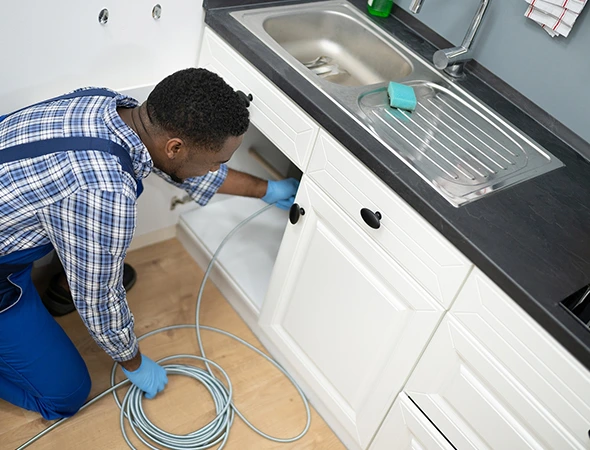
Depending on the situation, plumbers may use a small camera to inspect the inside of a sewer line. Camera inspection can help identify problems such as roots, cracks, blockages, or damaged sections.
This can be particularly useful when a property experiences repeated drainage problems.
Instead of repeatedly treating the symptom without understanding its cause, an inspection may help determine what is actually happening inside the pipe.
Repair or Replacement: What Is the Difference?
When a sewer line has significant damage, homeowners may hear the terms “repair” and “replacement.”
A repair generally addresses a specific damaged portion of the pipe. Replacement involves removing and replacing a larger section or, in some circumstances, the entire affected line.
The appropriate option depends on factors such as:
- Location of the damage
- Extent of deterioration
- Pipe material
- Accessibility
- Age of the plumbing
- Number of damaged sections
- Condition of the surrounding pipe
There is no universal solution for every sewer problem.
For homeowners researching Sewer Repair & Replacement in Surprise, AZ, understanding the difference between these options can make conversations with a plumbing professional easier.
Why Repeated Drain Cleaning May Not Solve the Problem
Drain cleaning can be effective for removing certain types of blockages. However, recurring problems may have another underlying cause.
For example, if tree roots are entering a sewer line through a damaged joint, removing the roots may temporarily restore flow without addressing the damaged section of pipe.
Similarly, severe mineral buildup, structural damage, or a collapsed pipe may require more than routine clog removal.
This is why diagnosis is important when a problem keeps returning.
How Local Conditions Can Affect Plumbing
Environmental conditions can influence underground plumbing systems.
In the greater Phoenix area, hard water can contribute to mineral deposits inside plumbing, while desert landscaping can create opportunities for roots to reach underground water sources. Soil conditions can also affect buried infrastructure.
These factors do not mean every plumbing problem has the same cause. Instead, they illustrate why a professional diagnosis should consider the property’s specific conditions.
Can Homeowners Prevent Drain Problems?
No prevention method can eliminate every plumbing problem, but basic maintenance can reduce unnecessary blockages.
Homeowners can take several practical steps:
Keep Grease Out of Drains
Cooking grease and fats can cool and accumulate inside pipes. Dispose of grease appropriately instead of pouring large quantities down a kitchen drain.
Use Drain Screens
Screens can help prevent hair, food particles, and other debris from entering drains.
Avoid Flushing Unapproved Materials
Toilets are designed primarily for human waste and toilet paper. Other materials may cause blockages or contribute to problems farther down the line.
Pay Attention to Slow Drains
Do not automatically ignore a drain that has gradually become slower. Early attention may help identify buildup before it becomes a larger blockage.
Schedule Professional Maintenance When Appropriate
Properties with recurring problems may benefit from professional assessment and maintenance rather than repeated DIY treatments.
Are Chemical Drain Cleaners Always a Good Idea?
Chemical drain cleaners may appear convenient, but homeowners should understand their limitations.
A chemical product may not address the underlying cause of a recurring blockage. Some products can also create safety concerns if they are used incorrectly or combined with other chemicals.
If a blockage does not respond to basic maintenance or keeps returning, professional assessment may be more appropriate than repeatedly using chemical products.
When Should You Contact a Plumber?
A professional plumber may be appropriate when a drainage issue is persistent, recurring, or affecting multiple fixtures.
You should consider seeking professional assistance if:
- Several drains are slow at once
- A toilet repeatedly backs up
- Sewage odours persist
- A drain repeatedly becomes clogged
- Water backs up into another fixture
- You notice unexplained wet areas around underground plumbing
- You suspect sewer line damage
- DIY methods have not resolved the problem
Prompt attention can be particularly important when wastewater is backing up into living areas because contaminated water can create additional cleanup and property concerns.
Choosing a Plumbing Professional
When looking for Drain Cleaning in Glendale, AZ, homeowners should consider the provider’s experience, available diagnostic methods, service area, and approach to explaining the problem.
It is useful to ask what the plumber believes is causing the issue and whether additional inspection is recommended.
For sewer-related problems, homeowners may also want to ask whether the company provides camera inspections, repair, and replacement services.
Advantage Plumbing & Rooter LLC provides plumbing services including drain cleaning and rooter-related work for customers in the Glendale area. The company is listed in Glendale and identifies drain cleaning among its plumbing services.
For a specific plumbing problem, discussing the symptoms with a professional can help determine which type of service may be appropriate.
Understanding Sewer Repair and Replacement
When sewer problems become more serious, homeowners may need to consider repair or replacement options.
A professional should first determine the condition and location of the problem. In some cases, a targeted repair may be sufficient. In others, extensive deterioration may make replacement more practical.
Modern plumbing diagnostics can provide useful information before excavation or major work begins. A camera inspection, for example, can help identify the location and nature of a problem inside the line.
For property owners considering Sewer Repair & Replacement in Surprise, AZ, getting a clear explanation of the condition of the pipe can help them understand why a particular solution is being recommended.
Final Thoughts
Drain and sewer problems often develop gradually. A slow drain, recurring clog, unusual smell, or gurgling toilet may be the first indication that something needs attention.
Understanding these warning signs can help homeowners distinguish between ordinary maintenance and problems that may require professional diagnosis.
Simple habits such as keeping grease and debris out of drains can help reduce avoidable blockages. However, recurring problems or symptoms affecting multiple fixtures should not simply be ignored.
Whether you are dealing with a clogged drain or investigating a possible sewer line issue, understanding the cause is an important part of choosing the appropriate solution.
Frequently Asked Questions
- How do I know if I have a clogged drain or a sewer line problem?
A single slow drain may indicate a local blockage. Multiple affected fixtures, recurring backups, sewage odours, or repeated clogs may indicate a problem farther down the drainage system and could require professional inspection.
- Can I prevent my drains from becoming clogged?
You can reduce the likelihood of blockages by using drain screens, keeping grease and food debris out of sinks, and avoiding flushing inappropriate materials down toilets.
- When does a sewer line need to be replaced?
Replacement may be considered when a sewer line has extensive deterioration, multiple damaged sections, severe structural problems, or other conditions that make repeated repairs impractical. A professional inspection can help determine the appropriate option.
- Is a sewer camera inspection useful?
A camera inspection can provide a view of the inside of a sewer line and may help identify blockages, roots, cracks, or other problems that cannot easily be seen from outside the pipe.
- Should I ignore a drain that is only slightly slow?
A slightly slow drain may not be an emergency, but it can be an early sign of buildup. If the problem persists, becomes worse, or begins affecting other fixtures, professional assessment may be worthwhile.