
TL;DR
- Amazon and eBay have slowly tightened packaging expectations over the last year, and most of the penalties show up as invisible rank drops, not warning emails.
- Damage claims, returns, and negative reviews linked to poor packaging now feed into seller performance metrics on both platforms.
- Amazon leans on measurable specs (cushioning, box integrity, frustration-free standards); eBay leans on buyer experience and dispute rates.
- Proper packaging supplies cover most of what sellers actually need to stay compliant.
- Under-packaging a single order can cost more in refunds and lost visibility than months of using slightly better packaging materials.
- Sellers on both marketplaces need a packaging stack that satisfies two different rulebooks at once, not just one.
Why Your Listing Might Be Losing Visibility and You Don’t Even Know Why
Something most sellers don’t realise is that Amazon and eBay rarely tell you when your packaging is the problem. There’s no pop-up that says “your postage bag was too thin” or “your box arrived crushed; please fix this”. What actually happens is a soft hint, you might receive signals like your buy box eligibility drops or your account health score decreases. Your listing starts showing up a few positions lower in search results, and you have no idea why, because nobody sent you a memo.
This is the reality that UK sellers have been facing in 2026. Packaging used to be an afterthought, something you sorted once and never thought about again. But not anymore, as both Amazon and eBay have been steadily tightening what counts as “acceptable” packaging, and the penalties for getting it wrong aren’t strong, written warnings but simply silent algorithmic nudges that chip away at your visibility over weeks and months.
Packaging Has Become a Ranking Signal
For years, sellers treated packaging as purely operational. The goal was simply to transport the item from point A to point B without damage. But Amazon in particular has moved packaging from “logistics detail” to something closer to a performance metric.
It works like this: when a product arrives damaged, the buyer does one of three things: requests a return, leaves a negative review, or contacts customer support. All three of those actions get logged. Amazon’s systems track return rates, damage-related complaints, and review sentiment at the listing and seller level. String together enough of these, and your seller metrics start sliding, which directly affects how often your listings surface in search and how competitive you are for the Buy Box.
eBay works a bit differently but lands in a similar place. Its policies lean more on buyer protection and dispute resolution than rigid packaging specs. If an item arrives damaged because it wasn’t packaged properly, the seller is almost always on the hook for the return, the refund, and potentially a mark against their seller performance standing. Enough of these and you risk dropping out of Top-Rated Seller status, which quietly reduces your visibility in search results too.
So while neither platform has a giant red “packaging compliance” banner you can check off, the outcome is the same either way: inadequate packaging leads to damage, damage leads to returns and complaints, and returns and complaints lead to lower visibility. It’s not a rule you can read in a policy document; it’s a consequence you feel a few months later.
Building a Packaging Stack That Satisfies Both Rulebooks
Something that as a seller you must know is that: “what do you use to tick both boxes without overspending or overcomplicating your process?” So, to get the job done, you don’t need twelve different products; you need the right three or four, used correctly.
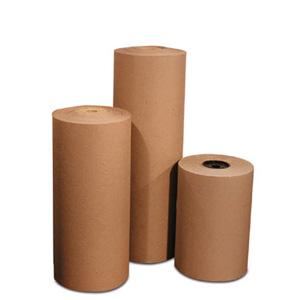
Kraft Paper Roll:
Start with a Kraft Paper Roll. The roll does double duty as both a protective wrap and a presentable outer layer, and it happens to align with the recyclable, minimal-waste direction Amazon’s frustration-free packaging pushes sellers toward. Wrapping items in kraft paper before boxing them adds a layer of cushioning while keeping the packaging itself lightweight, which matters because oversized or overly heavy packaging can trigger issues on Amazon.
Postage Bag:
For anything shipped as a standalone parcel rather than boxed, a sturdy postage bag is non-negotiable. The mistake many sellers make is treating all such bags as interchangeable, grabbing the thinnest, cheapest option available. That’s exactly the kind of packaging that fails during courier handling and lands you in a damage dispute on either platform. Properly rated postage bags, sized correctly for the products, is one of the simplest ways to reduce your return rate without changing anything else about your process.

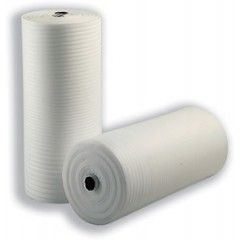
Jiffy Foam Roll:
Then there’s cushioning, and this is where Jiffy foam rolls earn their place. For fragile items, electronics, glassware, and anything with edges or components that can’t take an impact, foam rolls give you a buffer that kraft paper alone can’t provide. Wrap the item, add the foam layer where it counts, then box or bag it. This combination directly addresses the “appropriate cushioning” language both Amazon and eBay use in their policies, even though neither platform spells out exact materials.
So, ideally you should avoid selecting your packaging supplies individually and spontaneously. Sellers who standardise their packaging stack for fragile items tend to see fewer damage complaints and steadier account health scores than sellers who buy whatever’s cheapest each time they restock.
Summing Up
To sum up, it’s worth putting a number on the issue, because “follow the rules” doesn’t land the same way as “here’s what it actually costs you”. A single damaged item isn’t just a refund. It’s the cost of the product, the cost of the original shipping, often the cost of a return shipping label, and the time spent handling the dispute. Multiply that by even a handful of incidents a month, and the margin erosion is real.
FAQs
- Do Amazon and eBay actually check my packaging before I ship?
No, neither platform inspects packaging before it leaves your hands. The enforcement happens after the fact, through return rates, damage complaints, and buyer disputes, which is precisely why so many sellers don’t realise that packaging is the issue until their metrics have already slipped.
- Are a postage bags enough protection for most items, or do I need boxing too?
It depends on the product. A high-quality postage bag is perfect for soft, non-fragile items like clothing or textiles. Anything fragile, or with sharp edges and components, needs additional cushioning like foam rolls before it goes into a bag or box.
- What’s the difference between Jiffy foam rolls and bubble wrap for fragile items?
Depending on how bubble wrap is wrapped, it can leave gaps in cushioning. Foam rolls are more likely to provide more consistent even cushioning around irregular shapes. For consistently fragile items, foam rolls are generally the more reliable choice.
- Does a Kraft paper roll really help to meet Amazon’s frustration-free packaging requirements?
It aligns with the spirit of those requirements: recyclable, minimal excess material, and presentable without extra plastic. It will not be a sure pass for every frustration-free category, but it is a good baseline for most non-electronic items.