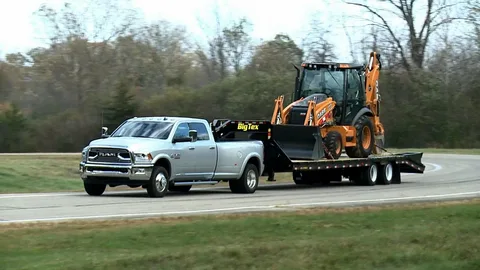
A semi-truck breakdown on an Atlanta highway can create a stressful and potentially dangerous situation for truck drivers and other motorists. Whether you are traveling on I-285, I-75, I-85, or I-20, mechanical problems, tire failures, and engine trouble can leave a commercial truck stranded in heavy traffic. Knowing what to do next can help protect everyone on the road and reduce unnecessary delays.
When a semi-truck breaks down, the priority should always be safety. Taking the right steps can help you manage the situation, communicate with roadside assistance, and determine whether the truck needs a repair or professional towing.
1. Recognize the Signs of a Truck Breakdown
A semi-truck does not always stop working without warning. In many cases, drivers notice signs of trouble before the vehicle becomes disabled.
Common warning signs include unusual engine noises, dashboard warning lights, overheating, reduced engine power, difficulty shifting gears, air pressure problems, and sudden vibrations. Tire damage can also force a driver to stop unexpectedly.
If you notice any of these symptoms while driving through Atlanta, pay attention to how the truck responds. Continuing to drive with a serious mechanical problem can cause additional damage and increase the risk of a roadside emergency.
When the vehicle becomes unsafe to operate, begin looking for a suitable place to stop.
2. Move the Truck to a Safe Location
Atlanta highways can be especially challenging during rush hour, when traffic moves slowly and vehicles travel close together. If your semi-truck begins experiencing mechanical problems, avoid sudden braking or sharp steering movements.
Activate your hazard lights and gradually reduce speed. If the truck remains controllable, move toward a designated emergency stopping area or the highway shoulder when it is safe to do so.
Avoid stopping in an active travel lane whenever possible. A disabled tractor-trailer can obstruct traffic and create a serious collision risk, particularly around curves, hills, and construction zones.
If the truck cannot be moved safely, keep the hazard lights on and contact emergency services when the situation presents an immediate danger. Follow instructions from highway authorities or emergency responders.
3. Secure the Truck and Trailer
Once the truck has stopped, take appropriate precautions to prevent further hazards. Set the parking brakes when appropriate, follow the vehicle manufacturer’s safety procedures, and secure the vehicle according to the conditions and applicable requirements.
If you are trained and it is safe to do so, use the appropriate warning devices to alert approaching traffic. Never place yourself in a dangerous position just to set out warning equipment.
Be especially careful when dealing with a loaded trailer, a truck parked on an incline, or a vehicle with suspected brake or suspension problems. These situations may require specialized assistance.
Do not attempt to inspect components beneath a vehicle unless it has been properly secured and the inspection can be performed safely.
4. Identify the Cause of the Breakdown
Understanding the symptoms can help determine what kind of assistance the truck requires. However, avoid attempting repairs on a busy highway shoulder when traffic or the vehicle’s condition creates a safety risk.
Common causes of semi-truck breakdowns include:
- Engine problems: Overheating, oil pressure issues, or engine component failures may prevent the truck from operating safely.
- Tire failures: Blowouts, damaged tires, and wheel problems can leave a truck stranded.
- Brake system issues: Air pressure loss or suspected brake malfunctions may make the vehicle unsafe to drive.
- Transmission problems: Difficulty shifting or loss of drive can prevent the truck from moving.
- Electrical faults: Battery, alternator, or wiring problems may affect starting and vehicle operation.
- Fuel-related problems: Running out of fuel or experiencing a fuel system malfunction can interrupt a delivery.
Share the symptoms with your roadside assistance provider so they can better understand the situation and determine whether mobile repair, tire service, or towing may be necessary.
5. Know When Heavy-Duty Towing Is Necessary
Some breakdowns can be resolved through roadside repairs, while others require professional towing. The right option depends on the truck’s condition, location, load, and safety requirements.
Heavy-duty towing may be necessary when a semi-truck has suffered major engine damage, transmission failure, significant accident damage, or a mechanical problem that prevents safe movement. A disabled tractor-trailer may also need specialized recovery equipment if it is stuck off the roadway or positioned in a difficult location.
Heavy-duty tow trucks are designed to handle large commercial vehicles that ordinary towing equipment cannot safely manage. Depending on the situation, a qualified towing provider can assess the vehicle and determine the appropriate recovery method.
Never attempt to tow a large commercial truck using an unsuitable vehicle or improvised equipment. Improper towing can cause additional damage and create serious safety hazards.
6. Provide Accurate Information When Requesting Assistance
When contacting a heavy-duty towing company in Atlanta, provide as much useful information as possible. Clear details help the provider assess the situation and determine what equipment may be required.
Be prepared to share:
- Your location, including the highway name, direction of travel, nearest exit, and mile marker if available.
- The truck’s make, model, and approximate size.
- Whether the trailer is loaded or empty.
- The type of problem, such as engine failure, tire damage, or accident-related damage.
- Whether the truck is blocking a traffic lane or positioned on the shoulder.
- Any special recovery concerns, including a damaged trailer or a vehicle stuck off the road.
Accurate information can help reduce confusion and support a more efficient response. If the truck is carrying hazardous materials or specialized cargo, communicate the relevant details to the appropriate responders and towing provider.
7. Reduce Delays After a Truck Breakdown
A disabled semi-truck can disrupt delivery schedules, driver hours, and business operations. Once everyone is safe and assistance has been arranged, notify your dispatcher or fleet manager about the situation.
Provide an update about the truck’s location, the suspected problem, and the expected next steps when that information becomes available. If the vehicle needs to be taken to a repair facility, coordinate with the towing provider and your fleet team.
Keep important documents and contact information accessible, including fleet maintenance records, insurance details, and relevant roadside assistance contacts.
After the incident, arrange an inspection to identify the root cause of the breakdown. Regular maintenance, timely tire replacement, brake inspections, and monitoring engine warning signs can help reduce the likelihood of similar problems in the future.
Get Heavy-Duty Towing Assistance in Atlanta, GA
A semi-truck breakdown on an Atlanta highway requires quick thinking, careful safety precautions, and the right equipment. Moving to a safe location when possible, identifying the symptoms, and contacting a qualified service provider can help prevent additional risks and get the recovery process underway.
When your commercial truck cannot be driven safely, hire DR Wrecker when you need heavy-duty towing or commercial truck recovery assistance in Atlanta, GA. Contact DR Wrecker with your location and details about the breakdown to discuss the towing or recovery service your vehicle may require.