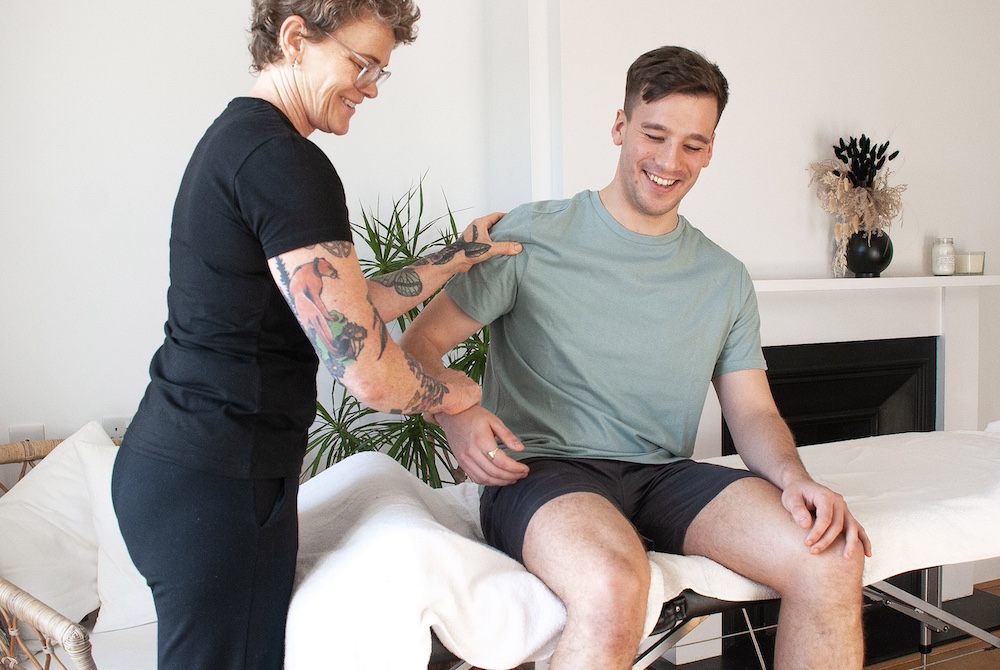
Whether you are a professional athlete, a regular gym member, a runner, or someone who enjoys an active lifestyle, sports massage can be a valuable part of your wellness routine. Finding the right sports massage in Boston can help you manage muscle tension, support recovery after exercise, and maintain better physical comfort during training and everyday activities.
Sports massage focuses on the muscles and soft tissues that experience stress from repetitive movements, strenuous workouts, and athletic activities. Depending on your goals, a massage therapist may use targeted pressure, stretching, and other techniques to address specific areas of tension and support your recovery needs.
What Is Sports Massage?
Sports massage is a specialized form of massage therapy designed to address the physical demands of exercise and athletic performance. Unlike a general relaxation massage, it often focuses on particular muscle groups associated with a sport, workout routine, or repetitive physical activity.
For example, runners may experience tightness in their calves, hamstrings, and hip flexors. Weightlifters may develop tension in their shoulders, upper back, and legs. A sports massage therapist can tailor the session to these areas based on your activity level, comfort, and recovery goals.
Sports massage does not have to be reserved for competitive athletes. Anyone who exercises regularly, participates in recreational sports, or experiences muscle tightness from physical activity may benefit from an appropriately tailored session.
Benefits of Sports Massage in Boston
Boston offers an active environment for runners, cyclists, fitness enthusiasts, and recreational athletes. Whether you train at a gym, run along the Charles River, or participate in local sporting events, sports massage may complement your exercise and recovery routine.
1. Helps Relieve Muscle Tension
Intense workouts and repetitive movements can leave muscles feeling tight or uncomfortable. Sports massage uses techniques such as kneading, compression, and targeted soft-tissue work to address areas of tension.
By working on specific muscle groups, a therapist may help you feel more comfortable and move more freely after exercise. The pressure and techniques should always be adjusted to your tolerance and individual needs.
2. Supports Post-Workout Recovery
Recovery is an essential part of any fitness program. Rest, adequate sleep, hydration, and appropriate nutrition all contribute to the body’s ability to recover after physical activity.
Sports massage may help reduce delayed-onset muscle soreness (DOMS), which commonly develops after unfamiliar or strenuous exercise. Although massage can provide short-term relief for some people, it should be considered one part of a broader recovery strategy rather than a replacement for rest.
3. May Improve Flexibility and Range of Motion
Muscle tightness can sometimes make certain movements feel restricted. Sports massage, particularly when combined with suitable stretching and mobility exercises, may help improve short-term flexibility and range of motion.
Athletes who perform repetitive movements may find targeted treatment useful for maintaining comfortable movement patterns. However, persistent mobility restrictions should be assessed by an appropriate healthcare professional rather than treated with massage alone.
4. Promotes Relaxation and Stress Relief
Training places demands on both the body and mind. Work responsibilities, competition, and demanding workout schedules can contribute to stress and fatigue.
Sports massage can offer an opportunity to relax while addressing muscular discomfort. Many people find that a well-tailored session helps them feel calmer and more comfortable, which can support their overall approach to wellness.
5. Helps You Maintain a Consistent Fitness Routine
Muscle soreness and tension can make regular exercise less comfortable. Incorporating massage into a balanced recovery plan may help some active individuals manage these issues and remain more comfortable between training sessions.
However, massage cannot guarantee injury prevention or improved athletic performance. Proper technique, progressive training, rest, and professional medical care when needed remain important.
Common Sports Massage Techniques
A sports massage session can involve different techniques depending on your activity, physical condition, and treatment goals.
Deep Tissue Massage
Deep tissue massage uses sustained pressure and slow strokes to address deeper layers of muscle and connective tissue. It may be suitable for people experiencing persistent muscular tension.
Deep tissue work is not always necessary for effective sports massage. Excessively forceful pressure can increase soreness, so your therapist should adjust the treatment to your comfort level.
Trigger Point Therapy
Trigger point therapy focuses on sensitive areas within muscles that may contribute to localized discomfort or referred pain. A therapist applies controlled pressure to selected areas according to your needs and tolerance.
This approach may be incorporated into a session for athletes experiencing localized muscular tightness.
Stretching and Mobility Techniques
Some sports massage sessions include assisted stretching or gentle movement techniques. These approaches can target muscles involved in running, cycling, weightlifting, and other athletic activities.
Stretching should be performed within a comfortable range and adapted to your physical condition.
Effleurage and Petrissage
Effleurage involves smooth, gliding strokes, while petrissage uses kneading and lifting movements. These techniques can help warm the tissues, address muscular tension, and promote relaxation during a session.
A qualified therapist may combine several techniques rather than relying on one method throughout the treatment.
When Should You Schedule a Sports Massage?
The best time for a sports massage depends on your training schedule and the outcome you want to achieve.
Before exercise: Some athletes choose a brief, lighter massage before physical activity to help them feel prepared. Massage should not replace an appropriate warm-up, and prolonged or intense treatment immediately before competition may not be suitable.
After exercise: A post-workout session may help relieve muscle soreness and promote relaxation. Allow your body sufficient time to recover, especially after demanding training.
On recovery days: Scheduling massage between intense workouts may be useful for managing muscular tension without adding further demands to your training schedule.
During regular training: Some people benefit from occasional sessions as part of their ongoing wellness routine. The ideal frequency depends on training intensity, personal preferences, budget, and how your body responds.
If you have an upcoming competition, discuss the timing and intensity of massage with your therapist before scheduling a session.
Who Can Benefit From Sports Massage?
Sports massage may be appropriate for a wide range of active individuals, including:
- Runners and marathon participants: Those who experience tightness in their calves, hamstrings, hips, or quadriceps.
- Gym enthusiasts: People who regularly participate in strength training, resistance workouts, or high-intensity exercise.
- Cyclists: Individuals who perform repetitive movements and may experience tension in their legs, glutes, shoulders, and back.
- Team sport athletes: People participating in basketball, soccer, tennis, and other sports that involve repeated acceleration, deceleration, and changes in direction.
- Recreational fitness enthusiasts: Individuals who want to manage exercise-related muscle tension and support their recovery routines.
People who spend long hours standing or performing physically demanding work may also appreciate targeted massage for general muscular discomfort, even if they do not participate in organized sports.
What to Expect During a Sports Massage Session in Boston
If you are booking your first sports massage in Boston, understanding the process can help you feel more comfortable.
Initial Consultation
Your therapist should ask about your exercise routine, areas of discomfort, previous injuries, medical conditions relevant to treatment, and goals for the session. This information helps determine which techniques are appropriate.
Be honest about any pain, recent injuries, or physical limitations.
Personalized Treatment
The therapist will typically focus on the muscle groups most relevant to your activities and concerns. Depending on your needs, the session may include targeted pressure, kneading, stretching, and other soft-tissue techniques.
Sports massage should not be unbearably painful. Communicate throughout the appointment so the therapist can adjust the pressure or modify a technique when necessary.
Post-Session Guidance
After your session, your therapist may recommend simple recovery practices, such as gentle movement, adequate hydration, or an appropriate rest period.
Mild temporary tenderness can occur after massage, particularly when more intensive techniques are used. Severe or worsening pain is not an expected outcome and should be evaluated appropriately.
How to Choose the Right Sports Massage Therapist in Boston
Choosing a qualified professional is an important part of getting the most from your session. Consider the following factors when comparing massage providers in Boston.
Credentials and training: Look for a properly licensed massage therapist with relevant training or experience in sports massage. In Massachusetts, check the applicable state licensing requirements.
Experience with your activity: A therapist familiar with your sport or exercise routine may better understand which muscle groups commonly experience repetitive stress.
Personalized treatment: Avoid providers who use the same approach for every client. Your session should reflect your goals, comfort level, and physical condition.
Communication and professionalism: A good therapist explains the treatment, obtains your consent, respects boundaries, and responds appropriately to feedback.
Convenient location and scheduling: Consider how easily you can reach the practice from your home, workplace, gym, or training location. Flexible appointment times may be particularly helpful if you follow a demanding workout schedule.
Transparent pricing: Review session lengths, prices, cancellation policies, and any additional charges before booking.
Reading recent reviews can also help you understand other clients’ experiences, although individual results and preferences vary.
Is Sports Massage Safe for Everyone?
Sports massage is generally well tolerated by many healthy adults when performed appropriately, but it is not suitable in every situation.
Avoid massage over a suspected fracture, an acute injury, an open wound, or an area with significant swelling or unexplained pain. People with certain medical conditions, bleeding disorders, a history of blood clots, or other health concerns should consult an appropriate healthcare professional before receiving treatment.
If you experience sudden swelling, warmth, redness, or pain in one leg, seek urgent medical assessment rather than attempting to treat the symptoms with massage. Chest pain or sudden shortness of breath requires emergency medical attention.
Sports massage is also not a substitute for diagnosing or treating an injury. If pain persists, repeatedly returns, or limits your ability to exercise, consult a qualified healthcare professional or physical therapist.
Make Sports Massage Part of Your Recovery Routine
Maintaining an active lifestyle requires more than challenging workouts. Rest, proper nutrition, suitable training plans, and attention to your body’s signals all play important roles in recovery.
A personalized sports massage can complement these habits by helping you manage muscular tension, improve short-term comfort, and relax after demanding physical activity. Whether you are training for a marathon, lifting weights, cycling around Boston, or simply staying active, the right treatment can be a useful addition to your wellness routine.
When looking for sports massage in Boston, prioritize a qualified therapist who understands your goals, explains the treatment clearly, and adapts the session to your needs. With a thoughtful approach to recovery, you can work toward feeling more comfortable and maintaining a consistent, sustainable approach to physical activity.
Frequently Asked Questions
1. What is sports massage used for?
Sports massage is commonly used to address exercise-related muscle tension, support recovery, reduce perceived muscle soreness, and promote relaxation. It may also help improve short-term flexibility when combined with suitable mobility exercises.
2. How often should I get a sports massage?
Frequency depends on your training schedule, physical needs, and response to treatment. Some people prefer occasional sessions, while others schedule massage more regularly during demanding training periods. Your therapist can help you determine a suitable approach.
3. Is sports massage painful?
Sports massage may involve firm pressure, but it should not cause unbearable pain. Tell your therapist if a technique feels uncomfortable so the pressure can be adjusted.
4. Should I get a sports massage before or after a workout?
Lighter techniques may be suitable before exercise, while a recovery-focused session may be preferred afterward or on a rest day. Avoid intensive massage immediately before an important event if it leaves you sore or fatigued.
5. Can beginners benefit from sports massage?
Yes. Sports massage is not limited to professional athletes. Beginners who exercise regularly may find it helpful for managing muscular tension and post-workout soreness.
6. How long does a sports massage session take?
Session lengths vary by provider and treatment goals. Appointments may last around 30, 60, or 90 minutes, depending on the practice and the areas being addressed.
7. How do I find a reliable sports massage provider in Boston?
Look for a licensed therapist with relevant sports massage experience, clear communication, transparent pricing, and positive client feedback. Ask about their approach and explain your goals before booking.