A septic system plays an essential role in managing household wastewater, but many of its components remain underground and out of sight. Because homeowners cannot easily see the condition of buried pipes and internal connections, minor problems may develop for weeks or months before noticeable symptoms appear. Slow drains, unpleasant odors, recurring backups, and wet areas in the yard can indicate a developing issue, but these signs do not always reveal the exact cause. Traditional inspection methods remain valuable, yet some situations require a closer look inside the plumbing system to identify the source of a problem accurately.
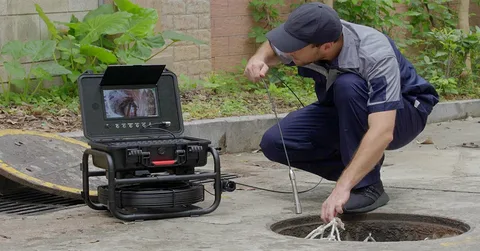
A professional septic tank camera inspection uses specialized video equipment to examine accessible sections of septic pipes and identify potential concerns without extensive excavation. A small waterproof camera is inserted into a suitable access point, allowing a technician to view the pipe’s interior on a monitor. Depending on the system’s design and the inspection equipment used, this process can help reveal obstructions, cracks, root intrusion, and other conditions that may affect wastewater flow. By providing a clearer picture of underground plumbing, camera technology helps professionals make informed recommendations, avoid unnecessary digging, and develop repair plans based on observed conditions rather than guesswork.
What Is a Septic Tank Camera Inspection?
A camera inspection is a diagnostic service that allows trained technicians to examine the interior of accessible septic or sewer pipes using specialized visual equipment. The camera is typically attached to a flexible cable that can move through suitable sections of piping, transmitting live images to a display screen. Some systems also include recording capabilities, lighting, and locating technology to help identify the position of a suspected problem underground. During the process, the technician watches for changes in pipe condition, obstructions, cracks, separated connections, and other visible irregularities. The equipment used depends on the pipe’s diameter, length, accessibility, and condition. It is important to understand that a camera inspection does not automatically reveal every septic system problem. The camera can only examine areas it can safely access, and it may not directly assess soil conditions or the performance of the entire drain field. Nevertheless, it can provide valuable information about accessible piping and help determine whether additional testing, cleaning, or repairs are necessary.
Identify Blockages Before They Cause Serious Damage
Blockages are among the common issues that can interfere with wastewater movement through a septic system. Grease, excessive paper products, foreign objects, accumulated debris, and other materials may restrict the flow of wastewater in household plumbing or accessible septic pipes. In some cases, a blockage develops gradually, causing drains to become slower over time. In other situations, the restriction may produce sudden backups or prevent wastewater from moving through the system properly. A camera allows a technician to inspect the inside of an accessible pipe and look for visible obstructions or buildup. This information can help distinguish a localized pipe blockage from other possible causes of drainage trouble. Once the location and nature of the obstruction are better understood, the technician can recommend an appropriate solution, such as professional pipe cleaning or targeted repair. Addressing blockages promptly can reduce the risk of wastewater backing up into the home and causing property damage. Homeowners should avoid relying on harsh chemical drain cleaners as a substitute for diagnosis because some products may damage plumbing components or create additional concerns for septic system maintenance.
Detect Cracked Pipes and Damaged Connections
Underground pipes can deteriorate over time because of age, shifting soil, ground movement, excessive pressure, corrosion in applicable components, or improper installation. Damaged connections may also allow wastewater to escape or disrupt normal flow. Since these components are hidden, identifying the exact location of a problem without diagnostic equipment can be challenging. A camera inspection allows a technician to view accessible pipe interiors and look for visible cracks, displaced joints, breaks, or other structural irregularities. Depending on the severity and location of the damage, the technician may recommend additional testing or a targeted repair. Finding a problem early can help homeowners avoid unnecessary excavation across large sections of a yard. However, the camera’s findings must be interpreted alongside the system’s overall condition because not every visible imperfection requires immediate replacement. A qualified professional can explain whether the observed damage is likely to affect system performance and outline the available repair options. Video evidence can also help homeowners understand why a particular repair is being recommended and make more informed decisions about their property’s wastewater infrastructure.
Find Tree Root Intrusion in Underground Pipes
Tree roots naturally grow toward sources of moisture, and small leaks around underground pipe connections can attract root growth. When roots enter a pipe through a damaged joint or opening, they may expand and collect debris, gradually restricting wastewater flow. Severe root intrusion can cause repeated blockages and contribute to structural damage if left unresolved. Because roots are underground, their presence may not be obvious until homeowners experience recurring drain problems, unusual gurgling sounds, or repeated plumbing backups. During a camera inspection, a technician may identify visible roots extending into an accessible pipe and determine whether they are interfering with the passage of wastewater. The next step depends on the extent of the intrusion and the condition of the pipe. Professional root removal may provide temporary or lasting relief depending on the circumstances, while damaged sections may require repair or replacement. Homeowners should also consider the placement of trees and shrubs near septic infrastructure. Selecting appropriate planting locations and monitoring recurring symptoms can help reduce the likelihood of future problems. Camera findings make it easier to develop a focused plan rather than repeatedly treating the symptoms without addressing the underlying cause.
Understand How Camera Inspections Reduce Unnecessary Excavation
One of the main advantages of camera technology is its ability to provide visual information before excavation begins. When a septic or sewer pipe develops a problem, locating the exact source may otherwise require extensive investigation. Digging without sufficient information can disturb landscaping, damage paved surfaces, increase labor costs, and create additional inconvenience for the homeowner. A camera inspection can help narrow down the affected section by showing where an obstruction or visible defect appears along the accessible pipe. When combined with compatible locating equipment, it may also help a technician estimate the problem’s position underground. This information supports a more targeted repair plan and can reduce the need to expose unaffected sections of piping. The actual savings depend on the system layout, accessibility, nature of the defect, and repair method required. Not every issue can be resolved without excavation, particularly when a pipe has collapsed or an underground component needs replacement. Even so, collecting visual evidence before work begins can improve decision-making, help establish a clearer repair scope, and make the overall service process more efficient.
Know When to Schedule a Camera Inspection
Homeowners do not need to wait for a major septic emergency before considering a camera inspection. Recurring drain blockages, repeated sewage backups, unexplained drainage problems, and suspected damage to underground pipes may justify a closer examination. A camera inspection can also be useful when a technician needs more information before recommending repairs or when a property owner wants to investigate the condition of accessible plumbing before purchasing a home. In an existing property, the service may be particularly valuable when a problem continues despite routine maintenance or previous cleaning. However, the appropriate diagnostic method depends on the symptoms and the type of septic system involved. For example, a camera may help examine accessible pipes but cannot independently establish whether a drain field is failing because of saturated soil, poor absorption, or other subsurface conditions. A professional may need to combine camera findings with a tank inspection, pumping history, liquid-level checks, or other diagnostic methods. Providing the technician with details about previous repairs, recurring symptoms, and the timing of the problem can help determine whether camera inspection is appropriate and which sections should be examined.
What to Expect During a Professional Inspection
A professional inspection generally begins with a discussion of the property’s symptoms, the system’s history, and any recent maintenance or repairs. The technician then identifies suitable access points and determines whether the pipe configuration is appropriate for camera equipment. After preparing the equipment, the technician carefully advances the camera through the accessible piping while monitoring the images for visible damage, obstructions, and changes in the pipe’s interior. The technician may record relevant findings and, when compatible locating equipment is available, work to identify the approximate location of a suspected defect. Once the examination is complete, the homeowner should receive an explanation of the observations and recommendations for any necessary follow-up work. Depending on the findings, the next step could involve cleaning, additional testing, localized repairs, or further evaluation of the septic tank or drain field. Homeowners should ask which sections were inspected, what limitations affected visibility, and whether the results were recorded. Choosing an experienced provider for septic tank camera inspection helps ensure the equipment is used appropriately and that observations are explained in practical terms. Clear communication makes it easier to understand the difference between a confirmed visible defect and a possible underlying issue that requires additional investigation.
Combine Camera Inspections With Preventive Septic Maintenance
Camera technology is most effective when it forms part of a broader septic maintenance strategy rather than replacing routine care. Regular septic tank inspections and pumping, when appropriate for the system, help manage accumulated solids and reduce the risk of material entering downstream pipes. Responsible water use can also prevent excessive hydraulic loading, while proper disposal habits help keep grease, wipes, hygiene products, and other unsuitable materials out of household drains. Homeowners should protect the drain field from heavy vehicles, construction, and poorly managed surface water. Maintaining records of pumping visits, repairs, and inspection findings allows technicians to identify recurring problems and recommend maintenance based on the system’s history. If a camera inspection reveals a defect, homeowners should follow the recommended repair plan and arrange any necessary follow-up evaluation. If no major pipe damage is visible, preventive maintenance remains important because problems can still develop elsewhere in the system. Combining professional diagnosis with good daily habits helps homeowners manage risks, protect underground infrastructure, and reduce the likelihood of unexpected wastewater problems.
Conclusion
Modern camera technology has improved the way professionals investigate hidden septic and sewer pipe problems. By providing a direct view of accessible pipe interiors, camera inspections can help identify blockages, root intrusion, cracks, damaged connections, and other visible concerns that may interfere with wastewater flow. This information supports more accurate diagnosis, helps guide repair decisions, and may reduce unnecessary excavation. Although camera equipment cannot evaluate every part of a septic system or replace a complete assessment when one is needed, it is a valuable diagnostic tool when underground piping problems are suspected.
Scheduling a professional septic tank camera inspection can be a practical step when drainage problems recur, repairs are being considered, or the condition of accessible underground pipes needs clarification. Homeowners should choose qualified technicians who explain their findings, discuss the limitations of the inspection, and recommend solutions based on the evidence. When camera inspections are combined with regular septic maintenance, responsible household practices, and timely repairs, property owners can better protect their wastewater systems and avoid preventable disruptions.