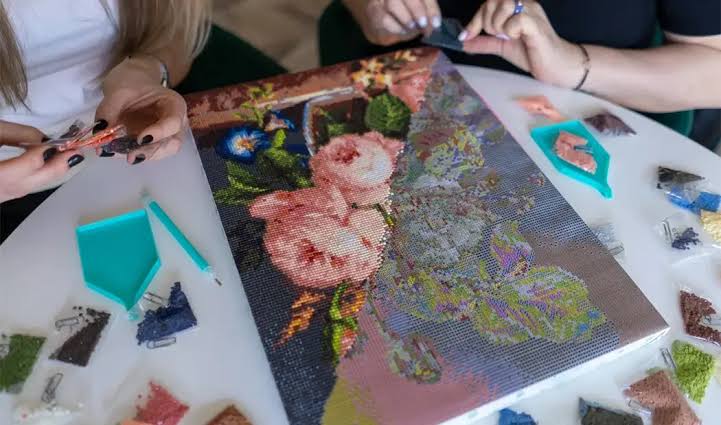
What Makes Finished Diamond Art Special?
Finished diamond art represents patience, creativity, and the satisfaction of completing a detailed craft project. Every small diamond placed on the canvas contributes to a larger image that gradually becomes colorful and eye-catching. Unlike a project that remains unfinished in a storage box, finished diamond art gives crafters something they can proudly display, share, or preserve. The completed design also represents the time and attention invested in choosing colors, following patterns, and carefully placing each piece. Whether the artwork features flowers, animals, landscapes, portraits, or abstract designs, the final result can become a meaningful part of a personal art collection. One Woman too Many Diamonds celebrates the creativity behind diamond art and the enjoyment that comes from transforming individual materials into a completed design.
How Should You Check Finished Diamond Art Before Displaying It?
Before displaying finished diamond art, take time to inspect the entire canvas under good lighting. Look carefully for empty spaces, misplaced diamonds, loose pieces, and areas where the design may need small corrections. Sometimes a missing diamond is difficult to notice while working because attention is focused on one section at a time. Looking at the completed artwork from a little distance can help reveal areas that need attention. If you find an empty spot, use the extra diamonds supplied with the kit to complete it when possible. Check the edges as well because they can sometimes collect dust or become slightly curled during the crafting process. A careful final inspection helps finished diamond art look more complete and presentable before it becomes part of your home decoration or personal collection.
Why Is Pressing Finished Diamond Art an Important Step?
Pressing finished diamond art gently can help ensure that the individual diamonds are securely positioned on the adhesive canvas. During a long project, some pieces may sit slightly higher or become uneven because of repeated handling. A clean roller designed for diamond painting can help press the surface evenly without unnecessary force. A rolling pin may also be used carefully when the canvas and materials allow it, but excessive pressure should always be avoided. The purpose is to check that the diamonds are sitting properly rather than crushing or damaging them. Pay attention to the corners and larger sections where individual pieces may have been placed at different times. Taking this simple step before framing or storing finished diamond art can make the final presentation neater and help identify any loose pieces that need attention.
Do You Need to Seal Finished Diamond Art?
Sealing finished diamond art is a personal choice rather than a universal requirement. Some completed canvases have adhesive that holds the diamonds securely, so an additional coating may not be necessary. Other crafters prefer extra protection when a piece will be handled regularly, transported, or displayed without a protective covering. If you decide to seal finished diamond art, choose a product specifically suitable for diamond painting and follow its instructions. Different sealers can affect the appearance, flexibility, and texture of the completed surface, so it is important to check compatibility before applying anything. Avoid assuming that every general craft coating will work equally well with every canvas. The official DIAMOND DOTZ guidance also explains that sealing is optional for its kits and recommends checking that the drills are secure before display. https://diamonddotz.com/pages/faq One Woman too Many Diamonds encourages thoughtful finishing choices that respect the materials and appearance of each project.
What Are the Best Ways to Frame Finished Diamond Art?
Framing finished diamond art is one of the most popular ways to turn a completed craft project into decorative wall artwork. A suitable frame gives the canvas a defined border and makes it easier to place in a living room, bedroom, hallway, or creative workspace. Before selecting a frame, measure the completed canvas carefully and consider whether you want to include the original fabric border. Some frames accommodate the full canvas, while others may require mounting or professional preparation. The raised surface of diamond art also deserves consideration because the frame should not press too tightly against the individual diamonds. A frame with enough depth can help protect the textured surface. Choose a color and material that complement the artwork rather than distracting from it. Finished diamond art featuring colorful flowers may look attractive in a simple frame, while a darker frame can provide contrast for bright or detailed designs.
Can Finished Diamond Art Be Displayed Without a Frame?
Finished diamond art can be displayed without a traditional frame when the canvas is prepared and supported properly. Poster hangers, display rails, mounting boards, and stretched canvas supports offer alternatives for people who prefer a simpler presentation. These options can make the artwork feel relaxed and modern while allowing the colorful surface to remain the main attraction. A magnetic poster hanger can hold the upper and lower edges, while a suitable backing board can provide additional support. Before choosing a frame-free method, make sure the canvas is secure and that the hanging arrangement will not pull unevenly on the material. Consider the weight and size of the artwork when selecting mounting hardware. Smaller finished diamond art projects may work well in simple display arrangements, while larger pieces may need stronger support. The best option is one that keeps the canvas stable and allows the completed design to be enjoyed comfortably.
How Can Finished Diamond Art Improve Home Decoration?
Finished diamond art can add color, texture, and personality to different areas of a home. A floral design may complement a bedroom or sitting area, while a landscape can create a relaxing atmosphere in a hallway or living room. Abstract artwork can add visual interest to a modern interior, and animal designs may bring character to a personal space. The reflective appearance of the individual diamonds can also create subtle visual changes as lighting moves across the surface. When arranging finished diamond art, consider the wall color, furniture, room lighting, and surrounding decorations. A large piece may work well as a central feature, while several smaller designs can create a coordinated gallery wall. Try to avoid overcrowding the area with too many competing decorations. One Woman too Many Diamonds recognizes that completed diamond artwork can be more than a craft achievement; it can also become a personal decorative detail that reflects individual taste.
Where Should You Hang Finished Diamond Art?
Choosing the right location for finished diamond art can make a noticeable difference in how the completed design is experienced. A living room wall offers an opportunity to share the artwork with family and visitors, while a bedroom can provide a more personal display area. Home offices, craft rooms, and reading corners are also suitable places for creative decorations. However, consider environmental conditions before hanging the canvas. Direct sunlight may affect some materials over time, and areas exposed to moisture or significant temperature changes may not be ideal. Avoid placing finished diamond art near sources of excessive heat or in locations where it could be frequently touched or knocked. Select a wall that provides enough space around the artwork so its details remain visible. Good placement allows the design to become part of the room without making the surrounding area feel crowded.
How Should You Store Finished Diamond Art Safely?
Proper storage helps protect finished diamond art when you are not ready to frame or display it. A clean, flat storage location is generally a practical choice because it reduces unnecessary pressure on the raised diamond surface. You can use a suitable art portfolio, protective sleeves, or a flat storage container that provides enough room for the canvas. If you place multiple completed projects together, separate them with appropriate protective material so their surfaces do not rub against each other. Keep the storage area dry and away from direct sunlight, excessive heat, and moisture. Avoid placing heavy objects on top of the artwork because pressure may affect the position of the diamonds. If a canvas must be rolled for storage, follow the kit manufacturer’s recommendations. The DIAMOND DOTZ FAQ advises rolling completed projects with the drills facing inward. Always handle finished diamond art carefully so that storage does not create unnecessary creases or damage.
Can You Give Finished Diamond Art as a Handmade Gift?
Finished diamond art can make a thoughtful handmade gift because it represents time, attention, and personal effort. A design selected around someone’s interests can feel especially meaningful. Floral artwork may suit someone who enjoys colorful decorations, while animal designs can be appropriate for people who appreciate nature and pets. Landscapes, abstract patterns, and decorative designs also provide different choices for birthdays, celebrations, and other special occasions. Presentation can make the gift feel even more complete. You may place the artwork in a suitable frame, protect it with clean wrapping material, and include a small note explaining that it was created by hand. Before gifting finished diamond art, inspect the surface and make sure the diamonds are secure. Consider the recipient’s available display space and personal decorating style as well. A carefully selected design can become a memorable keepsake rather than simply another decorative item.
What Creative Projects Can Use Finished Diamond Art?
Finished diamond art does not always have to remain a traditional wall decoration. Depending on its size, construction, and design, a completed canvas may become part of another creative project. Smaller pieces can sometimes be incorporated into greeting cards, decorative panels, craft displays, or handmade keepsakes. Larger designs may be mounted onto suitable backing materials or used as decorative features in a creative workspace. Before cutting or adapting any completed canvas, consider whether the diamonds are securely attached and whether the material can withstand the planned treatment. Some projects may require additional backing or a compatible protective finish. It is also important to avoid damaging artwork that has taken many hours to complete. If you are unsure whether a particular transformation is suitable, preserve the original canvas and experiment with a smaller practice piece first. Finished diamond art offers plenty of opportunities for creative presentation without requiring every project to follow the same display method.
How Can You Keep Finished Diamond Art Clean?
Keeping finished diamond art clean requires gentle handling because its surface contains many small raised pieces. Dust can collect between the diamonds, especially when the artwork is displayed without a protective cover. A soft microfiber cloth, lint-free towel, or gentle brush can help remove ordinary surface dust. Work carefully and avoid rubbing aggressively because excessive pressure may loosen individual diamonds. If a small amount of dust remains between the pieces, use a suitable soft cleaning tool rather than sharp objects. A lightly damp cloth may be appropriate for certain materials, but avoid soaking the canvas or allowing moisture to reach areas that could be affected by it. The manufacturer’s care instructions should always take priority. DIAMOND DOTZ also recommends gentle cleaning methods and cautions against twisting the canvas or applying too much pressure. Regular, careful attention can help finished diamond art maintain a neat appearance.
What Should You Do With Extra Diamonds After Completing a Project?
Extra diamonds are worth keeping after finished diamond art is complete because they may be useful for future repairs. A spare piece can replace a diamond that becomes lost or detached during handling, storage, or display. Place leftover diamonds in small labeled bags or containers and keep the relevant color or symbol information with them. This makes it easier to identify the correct pieces if the artwork needs attention later. Extra diamonds can also be used in small craft experiments, decorative cards, or mixed-media projects, provided the materials are suitable. Avoid mixing all leftover colors into one container because sorting them later can become difficult. Keeping the original packaging or a note with the design information may also help. A little organization after completing finished diamond art can save time and prevent unnecessary frustration if a repair becomes necessary.
How Can You Photograph Finished Diamond Art?
Photographing finished diamond art is a good way to record your creative progress and share the completed design with other craft enthusiasts. Natural light can help reveal the colors and details without making the surface appear too bright. Try placing the artwork near a window while avoiding direct sunlight that creates harsh reflections. Photograph the canvas straight on to show the overall design, then take closer pictures to capture the individual diamonds and detailed sections. A clean background can help the artwork stand out. If the diamonds reflect too much light, adjust the angle of the camera or move the lighting source rather than using excessive editing. You can also photograph the project beside your crafting tools to show the process behind the final result. Clear photographs of finished diamond art can become part of a personal craft album, a social media collection, or a record of completed creative projects.
Can Finished Diamond Art Be Sold?
Some crafters consider selling finished diamond art after completing a project, but the answer depends on the rights connected to the original design and kit. A completed canvas does not automatically give the maker permission to sell artwork based on someone else’s copyrighted image. Before listing a piece for sale, check the kit’s terms, the artwork licensing information, and any restrictions provided by the designer or seller. Designs created from original artwork or properly licensed sources may offer different possibilities, but permission should never be assumed. Presentation also matters when someone is considering purchasing handmade artwork. Clear photographs, accurate measurements, honest descriptions, and careful packaging help communicate what the buyer can expect. Avoid making claims about materials or originality that cannot be verified. Finished diamond art can be a personal creative achievement, and anyone considering commercial use should understand the relevant rights before offering completed work to others.
How Can You Organize a Collection of Finished Diamond Art?
As a craft collection grows, organizing finished diamond art becomes increasingly useful. Some people complete several small designs, while others spend weeks or months working on larger canvases. Without a simple organization system, it can become difficult to remember the size, subject, completion date, or storage location of each project. Consider maintaining a notebook or digital list containing the artwork title, dimensions, completion date, and any special care information. You can also photograph each completed canvas and arrange the pictures into folders based on themes such as flowers, animals, landscapes, or abstract designs. Store physical artwork separately and label protective sleeves when appropriate. This approach makes it easier to find a particular piece when you want to display it or give it as a gift. A well-organized collection also helps you recognize how your creative interests and crafting skills develop over time.
What Mistakes Should You Avoid When Handling Finished Diamond Art?
Several simple mistakes can affect the appearance of finished diamond art after the last diamond has been placed. Folding the canvas can create permanent creases, while placing heavy objects on its surface may put unnecessary pressure on the raised pieces. Pulling at loose diamonds without checking the adhesive can also disturb nearby areas. Strong cleaning chemicals, rough cloths, and excessive moisture may be unsuitable for the materials used in a particular kit. Another common mistake is choosing a frame that presses directly against the diamonds without allowing enough space for their raised texture. Avoid storing completed artwork in damp locations or leaving it exposed to harsh environmental conditions. If a piece needs cleaning, repairing, or sealing, follow the instructions for the specific canvas and materials. Taking a careful approach after completing finished diamond art helps preserve the time and effort invested in the project.
How Can Beginners Feel Confident About Their Finished Diamond Art?
Beginners sometimes compare their finished diamond art with photographs of professionally presented projects and feel that their own work is not perfect. However, every completed canvas represents a learning experience. Small differences in diamond placement, color arrangement, or finishing are part of developing practical crafting skills. Instead of focusing only on tiny imperfections, take time to appreciate the full design and the effort required to complete it. You can compare the finished canvas with the original pattern to see how the image has developed. If you notice a section that needs attention, make reasonable corrections without trying to rebuild the entire project unnecessarily. Choosing a suitable frame or display location can also improve the overall presentation. With every completed design, crafters become more familiar with their tools, materials, and preferred techniques. One Woman too Many Diamonds celebrates this creative journey and the satisfaction of reaching the final stage of a project.
Why Does the Artwork Design Matter After Completion?
The design chosen for a diamond painting continues to influence how finished diamond art looks and feels when displayed. A detailed landscape may create a strong visual feature, while a simple floral composition can bring softer colors into a room. Abstract artwork can complement contemporary interiors, and decorative patterns may suit a personal studio or craft area. The size of the design also matters because a large canvas may need more wall space and stronger mounting support than a small project. Color combinations can influence which frame or surrounding decorations work best. Before displaying a completed piece, consider how the design relates to the room and whether it deserves a central position or a smaller decorative space. A project selected because of personal interest may remain meaningful for years. The artwork’s subject, colors, and overall composition all contribute to the lasting appeal of finished diamond art.
How Can You Preserve Finished Diamond Art for the Long Term?
Long-term preservation begins with understanding the materials used in the canvas and following suitable care instructions. Finished diamond art should be protected from unnecessary pressure, excessive moisture, and harsh environmental conditions. If you plan to display a piece for an extended period, choose a stable mounting arrangement that supports the canvas without squeezing the diamonds. A protective frame may help reduce everyday contact, although the frame should provide enough depth for the raised surface. Sealing may be considered when appropriate, but it is not automatically necessary for every kit. If you store the artwork, use a clean and dry location with suitable protective materials. Check the piece occasionally for dust, loose diamonds, or signs that the canvas needs attention. Keeping spare diamonds with the original project can also make future repairs easier. These practical habits help finished diamond art remain part of your collection rather than becoming an artwork that is forgotten or damaged.
What Makes Completing Diamond Art a Rewarding Creative Experience?
Completing diamond art can be rewarding because it turns a series of small, repeated actions into a recognizable design. At the beginning, the canvas may look like a collection of symbols and colored sections, but each placed diamond gradually contributes to the final image. This process encourages patience, attention to detail, and a sense of progress. Reaching the final section can bring satisfaction because the completed canvas represents the time invested from the first step to the last. Finished diamond art also gives crafters something tangible to enjoy after the working materials have been put away. Some people display their creations, while others preserve them in portfolios or share them with friends and family. Every completed project can tell a small story about the design, the experience, and the person who created it. That personal connection is one reason many enthusiasts continue exploring new diamond art designs.
How Can You Celebrate Your Finished Diamond Art Collection?
Celebrating finished diamond art can be as simple as photographing a completed canvas, adding it to a collection, or finding the perfect place to display it. You might create a gallery wall featuring several favorite designs or rotate artwork throughout the year according to your decorating preferences. Another option is to keep a record of each completed project with its design name, dimensions, and completion date. Sharing photographs with friends or other craft enthusiasts can also create opportunities to exchange ideas and appreciate different creative styles. If you enjoy giving handmade gifts, a carefully selected completed piece may become a personal keepsake for someone special. There is no single correct way to celebrate a finished project because each crafter has different interests and goals. One Woman too Many Diamonds recognizes the value of every stage of the creative process, from selecting an appealing design to enjoying the finished diamond art with pride.