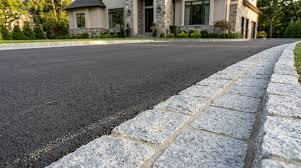
What Is Belgium Block Installation?
Belgium block installation is a masonry and paving improvement that uses natural stone blocks to create attractive and durable outdoor surfaces, borders, and edging. These blocks are commonly made from granite, a strong natural material known for its distinctive texture and ability to withstand outdoor conditions. Homeowners often choose Belgium block installation for driveway borders, entrance aprons, garden edges, walkways, and other landscape features because the stones provide a traditional appearance that works with many property styles. The blocks can be installed in straight lines, curved patterns, or decorative arrangements depending on the layout and purpose of the project. Their natural color variations add character, while their solid construction creates a substantial visual boundary around paved areas. Proper installation requires more than simply placing stones in the ground. Contractors must consider excavation, foundation preparation, alignment, spacing, and drainage to achieve a stable result. When these details are handled carefully, Belgium block installation can improve the appearance of an outdoor space while creating a practical border that complements the existing driveway and landscape.
Why Do Homeowners Choose Belgium Block Installation?
Homeowners choose Belgium block installation because natural stone combines an attractive appearance with practical outdoor performance. A driveway without clearly defined edges may look unfinished, especially when asphalt or concrete meets grass, soil, or garden beds. Granite blocks create a visible boundary that gives the pavement a cleaner and more organized appearance. They also provide a traditional design element that can complement brick homes, modern properties, landscaped entrances, and commercial buildings. Another reason homeowners consider Belgium block installation is its flexibility. The blocks can be arranged along straight driveways, curved entrances, garden borders, and walkways, allowing the design to match the shape of the property. Their natural texture creates a contrast against smooth paving materials, helping the driveway stand out without requiring complicated decorative features. The final design can be simple or more prominent depending on the number of rows, block dimensions, and installation pattern. Homeowners should consider their property layout, preferred appearance, and maintenance expectations before selecting a design. A properly planned stone border can make the exterior look more complete and create a consistent transition between different outdoor surfaces.
How Does Belgium Block Installation Improve Driveway Appearance?
A driveway is an important part of a property’s exterior because it is often one of the first features people notice when approaching a home or business. Belgium block installation can improve this area by creating a defined stone border that gives the pavement a more finished appearance. The natural granite provides visual contrast against black asphalt, light concrete, decorative pavers, and surrounding greenery. This contrast helps establish a clear outline and makes the driveway look more carefully designed. A single row of stones can create a subtle and traditional finish, while a wider arrangement may produce a stronger decorative effect. The blocks can also be coordinated with stone steps, walkways, patios, garden borders, and entrance aprons to create a consistent exterior style. Belgium block installation is especially useful for properties with long driveways or prominent entrances because the stone border can emphasize the shape of the paved area. Homeowners can choose colors and dimensions that complement their existing landscape rather than introducing a completely different design. The result is an outdoor feature that looks organized, attractive, and suitable for the overall character of the property.
What Materials Are Used for Belgium Block Installation?
Natural granite is commonly used for Belgium block installation because it offers strength, density, and a distinctive stone appearance. Granite blocks are available in different dimensions, colors, and surface finishes, giving homeowners flexibility when planning a driveway or landscape improvement. Some stones have relatively uniform rectangular shapes, while others have a more natural, rough-cut appearance. Gray and charcoal shades are popular choices because they complement asphalt and many exterior materials. The selection should depend on the intended application, desired border height, and overall landscape design. In addition to the stone itself, installation materials play an important role in the finished result. Depending on site conditions and the construction method, the project may require compacted aggregate, concrete support, mortar, jointing materials, and suitable backfill. These materials help create a stable setting for the blocks and support consistent alignment. Belgium block installation should always begin with an evaluation of the ground and the intended use of the area. Selecting suitable granite and supporting materials helps create a border or paved feature that looks attractive and is appropriate for its expected outdoor conditions.
What Are the Different Types of Belgium Block Installation?
Belgium block installation can be completed in several ways depending on the property’s needs and the homeowner’s preferred design. Driveway edging is one of the most common applications because it creates a defined boundary along asphalt or concrete pavement. Driveway aprons use stone blocks near the entrance to create a decorative transition between the street and the main driveway. Garden edging separates planting beds from lawns and paved surfaces, helping organize the landscape. Walkway borders provide a similar benefit by defining pedestrian routes and creating a consistent appearance. Some homeowners also choose larger stone arrangements for selected outdoor areas where a natural granite surface is part of the overall design. The installation pattern can vary according to the dimensions of the blocks and the visual effect being considered. Belgium block installation may use a single row, double row, soldier course, or other suitable arrangement. The correct option depends on the available space, expected use, and surrounding features. Discussing these choices before construction helps homeowners select an installation style that matches both the practical requirements and appearance of their property.
How Is Belgium Block Installation Completed?
Belgium block installation generally begins with a site inspection and layout planning. The contractor examines the existing driveway, surrounding soil, landscape features, and drainage conditions before determining where the blocks should be placed. Once the layout is agreed upon, the installation area is measured and marked so the finished border follows the intended design. The next stage involves excavation to create enough space for the blocks and their supporting foundation. Loose soil and unsuitable materials are removed, and the base is prepared according to the project requirements. A compacted aggregate foundation may be used, while the selected setting method provides additional support where needed. Each granite block is then positioned carefully, with attention to spacing, alignment, height, and the overall appearance of the border. Curved layouts require additional care because the stones must follow the intended line without creating awkward gaps. After placement, the surrounding area is finished and checked for consistency. Belgium block installation should also account for how water moves across the property so the new stonework does not create unwanted drainage problems. Careful workmanship at each stage helps create a neat and stable finished result.
Why Is Foundation Preparation Important for Belgium Block Installation?
Foundation preparation is essential for Belgium block installation because the stones need consistent support to remain properly positioned. Granite is a heavy and durable material, but even strong blocks can move when placed on loose soil or an inadequately prepared surface. Before construction begins, the contractor should evaluate the soil conditions and determine whether excavation, additional base material, or improved compaction is necessary. The trench must provide enough room for the selected blocks and the foundation materials required by the installation design. A stable base helps reduce uneven settlement and supports a more consistent border height. The contractor should also consider nearby pavement, garden areas, and existing structures when preparing the ground. If the site contains soft or disturbed soil, additional preparation may be needed before the stones are placed. Belgium block installation depends on the quality of this underlying work, even though the foundation becomes hidden after construction is complete. Taking time to prepare the site properly helps avoid preventable movement and uneven surfaces. Homeowners should discuss the planned foundation method with their contractor so they understand how the installation will be supported.
Can Belgium Block Installation Protect Asphalt Driveway Edges?
Asphalt driveways are exposed to vehicle weight, changing temperatures, moisture, and regular outdoor use. The outer edges can be vulnerable when they lack adequate support or when vehicles repeatedly drive onto nearby soil. Belgium block installation can create a substantial boundary alongside asphalt and help define the point where the paved surface ends. When properly installed, the stone border can provide support along the driveway edge and reduce direct contact between vehicles and surrounding landscaped areas. It can also help keep loose soil, mulch, or gravel from spreading onto the pavement when the layout is designed for that purpose. However, Belgium block installation should not be considered a replacement for a properly constructed asphalt driveway or a stable pavement base. The existing surface must be evaluated before the border is added, particularly if the asphalt already has settlement or edge deterioration. The contractor should select a suitable installation method based on soil conditions, driveway dimensions, and expected vehicle use. A coordinated approach to paving and stone edging can improve the overall appearance while helping create a more clearly supported driveway boundary.
How Does Belgium Block Installation Work with Curved Driveways?
Curved driveways require careful planning because the stone border must follow the pavement without creating uneven spacing or an irregular appearance. Belgium block installation can work well with curved layouts when the contractor selects suitable block dimensions and establishes the correct line before construction. A gentle curve may accommodate standard rectangular blocks with carefully adjusted spacing, while a tighter curve may require smaller stones or a different arrangement. The contractor should mark the proposed border on the ground so the homeowner can review its shape before excavation begins. Consistent height and alignment are important because uneven placement can make the finished curve look unfinished. The design should also consider how the driveway connects with garage entrances, sidewalks, garden beds, and other paved areas. Belgium block installation can help highlight circular entrances, winding driveways, and landscaped islands by creating a natural-stone outline that follows the existing property design. A successful curved installation balances appearance with practical access, allowing vehicles and pedestrians to use the surrounding areas comfortably.
What Is the Difference Between Belgium Block and Concrete Edging?
Belgium block installation and concrete edging are two different ways to create boundaries around driveways and landscaped areas. Natural granite blocks provide a traditional stone appearance with individual pieces arranged along the desired border. Concrete edging is usually formed as a continuous structure and can be shaped to suit different property layouts. Both options have advantages, and the right selection depends on the intended design, site conditions, and project budget. Belgium block is often preferred by homeowners who want natural texture, visible stone character, and a classic exterior finish. Concrete may be suitable when a more uniform appearance or continuous curb is desired. Installation methods also differ because granite blocks require individual placement and alignment, while poured concrete requires suitable forming and curing procedures. Belgium block installation can be coordinated with asphalt, pavers, and existing masonry features, creating a natural transition between materials. Homeowners should compare the appearance, foundation requirements, maintenance expectations, and overall cost of each option before making a decision. A contractor can explain which material is appropriate for the driveway and landscape conditions.
How Much Does Belgium Block Installation Cost?
The cost of Belgium block installation depends on the size, layout, materials, and preparation required for the property. The total length of the border is a major factor because longer installations require more granite blocks and additional labor. Block dimensions, stone quality, and material availability can also influence the estimate. A simple straight driveway border may require less work than a design with tight curves, multiple rows, or decorative entrance features. Site preparation can affect the price as well, particularly when the contractor must remove an existing border, excavate difficult ground, or make adjustments to nearby pavement. The chosen foundation and setting method are also important parts of the project cost. Belgium block installation estimates should clearly explain the materials, approximate measurements, excavation, base preparation, labor, and finishing work included. Homeowners should compare detailed written estimates rather than choosing a contractor based only on the lowest quoted amount. A site inspection helps establish realistic project requirements and reduces the chance of unexpected work. Understanding the full scope makes it easier to plan a budget and select an installation that suits the property’s needs.
Can Belgium Block Installation Be Added to an Existing Driveway?
Homeowners can often consider Belgium block installation as an improvement to an existing driveway without replacing the entire paved surface. The first step is to evaluate the condition of the current asphalt or concrete and determine whether the edges can support the proposed border. If the driveway has major structural problems, those concerns may need to be addressed before the stonework begins. The contractor should also check the available space beside the pavement, surrounding soil, drainage, and access points. Depending on the layout, a narrow trench may be excavated along the driveway edge to accommodate the blocks and their foundation. The new border should connect neatly with the existing pavement and should not interfere with garage access, sidewalks, or vehicle movement. Belgium block installation can provide a noticeable visual upgrade when the existing driveway is still suitable for continued use. It may also be coordinated with other improvements, such as asphalt repairs, driveway resurfacing, or a new entrance apron. A professional evaluation helps determine the most suitable approach and whether additional preparation is needed.
Why Is Drainage Important During Belgium Block Installation?
Drainage is an important consideration during Belgium block installation because water movement can affect the soil, pavement, and surrounding landscape. Rainwater that collects beside a driveway may soften the ground, wash away loose soil, or create puddles near the stone border. Before construction begins, the contractor should examine the property’s grading and identify the direction in which water naturally flows. The new edging should not unintentionally block runoff or redirect water toward a building. In some situations, adjustments to the surrounding grade or coordination with existing drainage features may be necessary. The installation should also account for nearby garden beds, walkways, and paved surfaces so water can move toward an appropriate location. Belgium block installation is not a complete drainage solution by itself, but it can be incorporated into a broader outdoor plan that considers water management. Proper planning helps protect the surrounding soil and supports the long-term appearance of the driveway border. Homeowners should discuss drainage before approving the layout, especially if the property already experiences standing water or runoff concerns.
How Should Belgium Block Installation Be Maintained?
Belgium block installation generally requires straightforward maintenance, although regular inspection can help preserve its appearance and stability. Homeowners can remove leaves, grass clippings, soil, and other debris that collect around the stones. Occasional washing with water may be enough to remove ordinary dirt, while a suitable mild cleaner can be considered for more persistent marks. The border should also be inspected periodically for loose blocks, uneven sections, eroded soil, or changes in the joints. If a stone becomes displaced, addressing the issue early may prevent the surrounding blocks from becoming affected. Vegetation growing between stones should be managed carefully so roots do not disturb the installation. Snow removal and lawn maintenance should also be carried out with attention to the location of the border. Belgium block installation can retain its natural appearance for a long time when the granite is appropriate for the application and the supporting foundation remains stable. Homeowners should follow any maintenance guidance provided by their contractor, especially when specific jointing or setting materials have been used.
What Problems Can Poor Belgium Block Installation Cause?
Poor Belgium block installation can create several problems that affect the appearance and performance of a stone border. Uneven settlement may occur when blocks are placed on loose soil or an inadequately prepared foundation. Incorrect spacing can create visible gaps, while inconsistent heights can make the finished line look irregular. Stones may also move when the selected setting method does not provide sufficient support for the site conditions. Drainage problems can develop if the edging changes the direction of water without considering the property’s grading. Another concern is an unsuitable border height that interferes with vehicle movement or nearby landscaping activities. These issues often result from rushed preparation, inaccurate measurements, or a layout that was not properly planned. Belgium block installation should therefore include a site evaluation, suitable foundation preparation, and careful placement of each stone. Homeowners should ask contractors how they plan to handle curves, transitions, drainage, and existing pavement. Understanding the installation process can help property owners recognize the importance of quality workmanship before the project begins.
Can Belgium Block Installation Increase Curb Appeal?
Curb appeal is influenced by the way different exterior features work together, and Belgium block installation can help create a more organized and attractive property entrance. Natural granite provides a visible border that separates driveways from lawns, garden beds, and other landscape areas. The stone’s texture and color can complement brickwork, exterior walls, steps, and walkways. A simple border can make an asphalt driveway look more finished, while a decorative apron may create a more prominent entrance feature. Homeowners can choose a layout that matches the home’s architectural style rather than selecting a design that feels unrelated to the rest of the property. Belgium block installation can also be coordinated with other paving improvements to create a consistent appearance across the front yard. Although curb appeal is subjective, a carefully installed stone border can make the driveway look more defined and visually complete. The most effective design is usually one that balances the stonework with the property’s size, landscape, and existing materials.
Is Belgium Block Installation Suitable for Commercial Properties?
Belgium block installation can also be considered for commercial properties that need defined paving edges and an attractive entrance. Offices, retail buildings, apartment communities, and other businesses often have driveways, access roads, and landscaped areas that benefit from clear boundaries. Natural stone can create a professional appearance while separating paved vehicle areas from planting beds and pedestrian spaces. Commercial projects require careful planning because traffic patterns and vehicle weight may differ from those of a residential driveway. The contractor should evaluate turning areas, delivery access, pavement conditions, drainage, and the expected use of the installation. The blocks should be positioned so they do not interfere with vehicle movement or create unnecessary obstacles for pedestrians. Belgium block installation may also be used around selected entrances, walkways, and landscape features to create a consistent exterior design. The appropriate layout depends on the function of the property, the available space, and the expected maintenance requirements. A site-specific assessment helps determine whether stone edging is suitable for the commercial application.
How Do Weather Conditions Affect Belgium Block Installation?
Outdoor stonework is exposed to changing weather throughout the year, including rainfall, summer heat, winter temperatures, and seasonal ground movement. Belgium block installation uses natural granite, but the complete structure still depends on the quality of its foundation and the conditions around it. Water can affect the soil beneath and beside the blocks, especially when drainage is poor or the ground has not been compacted correctly. Seasonal temperature changes may also influence the surrounding materials and soil. A suitable installation method should take local conditions into account rather than relying on the stone alone to provide stability. Homeowners should inspect the border after severe weather and look for displaced blocks, eroded soil, or water collecting near the driveway. Snow removal should be performed carefully to avoid unnecessary impacts against raised stones. Belgium block installation can remain an attractive outdoor feature through different seasons when the materials and construction method are appropriate for the property. Routine observation and timely maintenance help identify small issues before they become more complicated.
What Should Homeowners Ask Before Hiring a Belgium Block Contractor?
Before hiring a contractor, homeowners should ask practical questions about the proposed Belgium block installation and the work required at the property. It is useful to understand what type of stone will be supplied, which block dimensions are recommended, and how the finished layout will look. Homeowners should also ask how the contractor plans to prepare the foundation, secure the blocks, and manage drainage. A written estimate should explain the project measurements, materials, labor, excavation, and any additional work that may be required. It is also reasonable to ask about the expected project schedule, site access, cleanup, and maintenance recommendations. Previous examples of similar work can help homeowners understand the contractor’s installation style and attention to detail. Belgium block installation involves several stages, so clear communication is important before construction begins. A reliable project discussion should address both the decorative appearance and the practical requirements of the site. Comparing estimates and reviewing the proposed scope can help property owners make an informed decision without relying on unclear promises or incomplete pricing.
How Can Belgium Block Installation Complement Other Paving Services?
Belgium block installation can be combined with other paving and masonry improvements to create a coordinated outdoor design. A homeowner planning a new asphalt driveway may add stone edging to define the pavement and create a finished border. Existing driveways can also be upgraded with a stone apron or selected border sections when the surface is suitable. The blocks may complement paver walkways, patios, garden borders, and other exterior features that use natural materials. Combining projects can also make it easier to plan the overall layout, including transitions between different surfaces and the direction of water runoff. The design should account for the height and appearance of each material so the finished property looks consistent. Belgium block installation works particularly well when it is considered early in the planning process rather than added without reference to nearby features. Coordinating paving and masonry work can help homeowners create an outdoor space that feels connected from the driveway entrance to the garden and walkway areas. A contractor can review the property and discuss which improvements are appropriate for the existing conditions and budget.
Why Choose Harringtons Paving for Belgium Block Installation?
Choosing a contractor for Belgium block installation means selecting a team that understands paving, masonry, site preparation, and the details involved in creating a neat stone border. Harringtons Paving provides paving and masonry services in Hillsborough Township, New Jersey, and its website lists Belgium block installation among its services. Homeowners can discuss the driveway layout, preferred stone appearance, project dimensions, and the condition of the existing pavement when planning an improvement. A proper project discussion should include the proposed installation method, foundation preparation, drainage considerations, materials, and a written estimate. The design should suit the property rather than relying on a standard layout for every driveway. Belgium block installation can improve the appearance of residential and commercial outdoor spaces when it is planned around their actual requirements. Harringtons Paving can discuss suitable paving and masonry options for projects within its service area and help homeowners understand how stone edging may fit into a larger exterior improvement. Reviewing the site and project details is the best way to establish a suitable plan.
Is Belgium Block Installation a Good Long-Term Investment?
Belgium block installation can be a worthwhile long-term improvement for property owners who appreciate natural stone and want a clearly defined outdoor space. Granite blocks offer a substantial appearance and can remain attractive for many years when installed on an appropriate foundation. Unlike some lightweight edging materials, natural stone creates a more prominent border that can complement driveways, walkways, and landscaped areas. The overall value depends on the quality of the stone, the installation method, the condition of the ground, and the design selected for the property. Homeowners should consider the initial project cost alongside the expected maintenance, visual improvement, and compatibility with future exterior upgrades. Belgium block installation is not necessary for every driveway, but it may be a suitable choice when the goal is to create a traditional stone finish with a defined pavement edge. A carefully planned project can improve the overall presentation of the property and provide a consistent transition between paved and landscaped areas. Selecting appropriate materials and experienced installation helps support the long-term performance of the finished work.