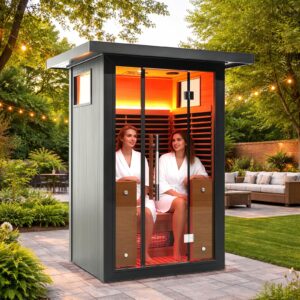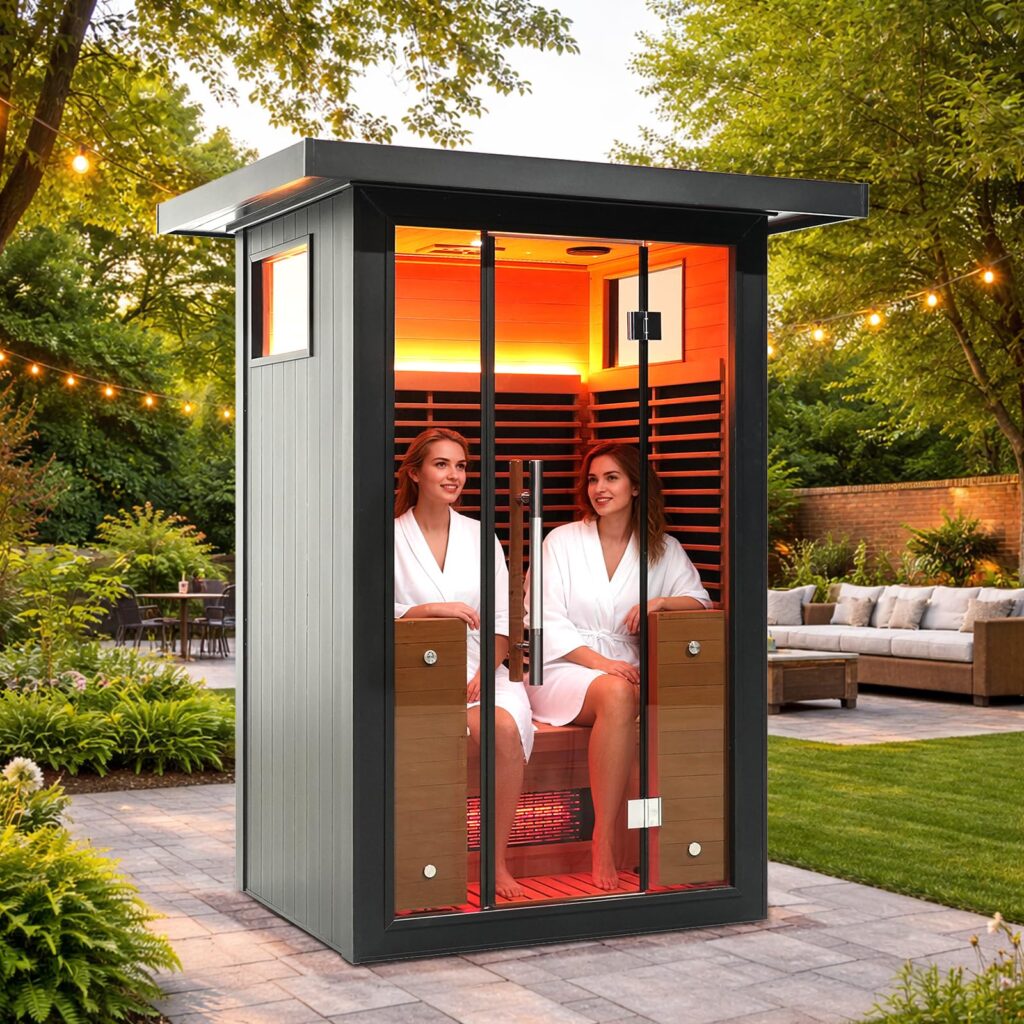
Choosing a two-person infrared sauna involves more than checking its dimensions, appearance, or seating capacity. One of the most important considerations is how effectively the heating system distributes warmth throughout the cabin. When two people use a sauna together, both should experience a comfortable and consistent level of heat without one person sitting noticeably closer to the heaters than the other.
Heating configuration plays a significant role in achieving this balance. The number of heating panels, their positioning, the type of infrared technology, and the cabin’s internal layout all influence how warmth reaches different areas of the body. A well-designed system should provide comfortable coverage for both occupants while maintaining an enjoyable environment throughout the session.
For anyone researching a 2 Person Infrared Sauna UK, understanding these heating arrangements can make choosing the right model much easier. From full-spectrum infrared technology to strategically positioned carbon heaters, several features deserve attention before making a purchase.
Why Balanced Heating Matters in a Two-Person Infrared Sauna
A two-person sauna needs to accommodate two different seating positions without compromising individual comfort. Unlike a single-person cabin, where the heater arrangement can focus on one central seating area, a larger model must distribute warmth across a wider internal space.
If heating panels are concentrated along one wall, the person sitting closest to them may experience stronger radiant warmth than the other occupant. Similarly, insufficient coverage around the lower body can create differences in perceived comfort between the upper and lower sections.
Balanced heating helps address these differences by distributing infrared energy across multiple areas of the cabin. This allows both users to enjoy a more consistent experience, regardless of their seating position.
When evaluating a two-person model, consider whether the heating system covers the back, sides, and lower body. The overall arrangement is often more important than simply counting the number of heating elements.
Carbon Heating Panels for Consistent Warmth
Carbon heating panels are commonly used in modern infrared saunas because they provide broad radiant heat across relatively large surface areas. Their design makes them particularly suitable for cabins intended to accommodate two people.
Rather than concentrating heat into a small area, larger carbon panels can distribute warmth over a wider section of the body. This can help reduce noticeable differences between occupants when the panels are positioned appropriately.
For example, panels installed behind the seating area can provide warmth to the back, while additional elements along the side walls can extend coverage towards the shoulders, arms, and legs.
Carbon heaters are also valued for their ability to operate at relatively moderate surface temperatures while delivering infrared warmth. This can contribute to a comfortable sauna environment during longer sessions.
When comparing models, examine the size and positioning of the carbon panels rather than relying exclusively on the manufacturer’s stated heater count. Two saunas with similar numbers of heating elements may provide different experiences because their internal arrangements are not identical.
Full-Spectrum Infrared Heating for Different Types of Coverage
Another configuration worth considering is full-spectrum infrared heating. These systems combine different infrared wavelengths, commonly described as near, mid, and far infrared.
Each wavelength has different characteristics, and manufacturers use different combinations depending on the intended sauna experience.
Far infrared is widely used in residential infrared saunas and provides radiant warmth that contributes to the overall heating experience. Near and mid-infrared elements may be incorporated into certain systems to offer a different distribution of infrared energy.
For a two-person cabin, the main consideration is how these heating elements are positioned. A full-spectrum system should not automatically be considered better simply because it includes more infrared wavelengths.
Instead, buyers should investigate whether the arrangement provides suitable coverage for both occupants. A combination of strategically positioned heaters can be more useful than a technically advanced system that concentrates most of its heating capacity in one section.
When researching a Two Person Sauna UK, consider the complete heating layout alongside the infrared technology used.
Vertical Heater Placement for Upper and Lower Body Coverage
Vertical heater placement is particularly important in two-person sauna cabins. The human body occupies a considerable vertical space when seated, meaning heating panels should provide coverage beyond the middle of the back.
Tall heating panels installed behind the seating area can help distribute warmth across the upper and lower back. Depending on their dimensions and positioning, they may also provide coverage around the shoulders and legs.
However, vertical panels alone may not be sufficient to create balanced warmth. If the sides of the cabin have limited heating coverage, users may notice differences in warmth across their arms and outer body areas.
A combination of vertical back panels and strategically positioned side heaters can provide a more comprehensive arrangement.
It is also worth examining whether the heating elements extend towards the lower seating area. This can be particularly relevant for taller occupants or people who prefer a more spacious sitting position.
Side Wall Heating for Two-Person Comfort
Side wall heaters can make a meaningful difference in the overall heating experience of a two-person infrared sauna.
When two people sit next to each other, their bodies occupy different positions within the cabin. Heating panels installed along the side walls help extend radiant coverage beyond the rear seating area.
This arrangement can be especially useful when the sauna has a wider bench or two distinct seating positions.
Side heaters may help provide warmth to areas that are less directly exposed to the rear panels, including the arms and sides of the torso. Their positioning should also account for the distance between the occupants and the heating surfaces.
A well-planned arrangement distributes heating elements around the cabin rather than concentrating them in one direction.
For buyers comparing a 2 Person Indoor Sauna UK, side wall coverage is an important feature to investigate because indoor models can vary considerably in their internal dimensions and heater placement.
Under-Bench Heating and Lower Body Coverage
The lower body is another area that deserves attention when evaluating heating configurations.
Some infrared sauna designs include heating elements beneath or around the seating area. These can contribute to a more comprehensive heating arrangement by extending warmth towards the thighs and lower body.
Without appropriate lower-body coverage, users may notice that their upper body feels warmer than their legs during a session.
Under-bench heating can help create a more balanced experience, particularly when combined with rear and side wall panels.
However, its effectiveness depends on the heater design, installation, distance from the occupant, and manufacturer’s specifications.
Buyers should also examine the bench construction. A well-designed seating area should allow comfortable positioning for two people without creating unnecessary restrictions around the heating elements.
Independent Heating Zones for Individual Comfort
Two people sharing a sauna may not always prefer identical heating conditions. One occupant might prefer a slightly warmer environment, while the other may feel more comfortable with a gentler setting.
Independent heating zones can help accommodate these differences.
Some advanced infrared sauna systems allow users to control separate heating sections or adjust different parts of the heating arrangement. Depending on the model, this may include separate temperature controls or individual heater settings.
This feature can be particularly useful for couples or family members who regularly share their sauna.
However, independent controls are not available in every two-person model. Buyers should check whether the system offers genuine zone adjustment or simply provides one central temperature setting.
The ability to manage different heating sections can add flexibility without requiring occupants to compromise on their preferred comfort levels.
Heater Positioning and Internal Cabin Dimensions
The internal dimensions of a sauna directly influence how its heating system performs.
A two-person cabin needs sufficient space for both occupants while maintaining an effective distance between the seating positions and heating panels.
If the cabin is too narrow, two users may find it difficult to sit comfortably without restricting movement. On the other hand, a larger cabin requires an appropriately designed heating system to distribute warmth throughout the available space.
The positioning of the bench, backrests, and heater panels should work together.
Before purchasing, examine the internal measurements rather than relying solely on external product dimensions. Pay attention to seating width, available legroom, ceiling height, and the distance between the occupants and heating surfaces.
A balanced design should provide sufficient personal space while ensuring that the heating elements are positioned appropriately for both users.
How Insulation Supports Consistent Heating
Although heating panels are essential, insulation also influences the overall sauna experience.
A well-insulated cabin helps maintain a more stable internal environment by reducing unwanted heat loss. This allows the heating system to operate within its intended conditions and can support more consistent performance.
Door construction, wall materials, glazing, and the quality of cabin assembly all deserve consideration.
Glass doors and windows can improve the appearance of a sauna and create a more open feeling, but their design should complement the cabin’s insulation requirements.
Buyers should also check the manufacturer’s recommended installation conditions. An indoor sauna may have different environmental requirements from an outdoor model, particularly regarding ventilation and surrounding temperatures.
For a two-person infrared sauna, good insulation works alongside suitable heater positioning to support a comfortable environment for both occupants.
What to Look for When Comparing Two-Person Infrared Sauna Models
Comparing different models becomes easier when the heating configuration is assessed as part of the complete cabin design.
Rather than focusing on one specification, consider how several features work together.
Look for a combination of rear and side heating panels that provides coverage across the seating area. Check whether the lower body receives appropriate attention through extended panels or additional heating elements.
Consider the type of infrared technology and whether the manufacturer provides clear information about the heating system. If independent heating zones are available, investigate how they operate and whether they allow meaningful adjustments.
It is equally important to examine the seating arrangement. Two people should be able to sit comfortably without feeling restricted or positioned too close to individual heating panels.
Finally, consider the quality of the cabin materials, insulation, controls, and available warranty information. A well-designed sauna should offer a combination of practical functionality, comfortable seating, and an appropriately distributed heating system.
Conclusion
Choosing the right heating configuration is essential when purchasing a two-person infrared sauna. Carbon heating panels, full-spectrum technology, vertical back heaters, side wall elements, and under-bench heating can all contribute to the overall distribution of warmth.
However, no single heating arrangement guarantees a comfortable experience. The effectiveness of a system depends on how its components work together, the cabin’s dimensions, heater positioning, and the seating layout.
For anyone considering a 2 Person Infrared Sauna UK, the priority should be finding a model that provides suitable heating coverage for both occupants rather than focusing exclusively on the number of heaters or the advertised technology.
By comparing heating zones, panel placement, insulation, and internal space, buyers can make a more informed decision and choose a sauna designed to deliver a comfortable shared experience.
Frequently Asked Questions
1. What is the best heating configuration for a two-person infrared sauna?
A combination of rear, side, and lower-body heating panels can provide comprehensive coverage for two occupants. The best arrangement depends on the cabin dimensions, heater positioning, and the type of infrared technology used.
2. Are carbon heaters suitable for two-person infrared saunas?
Yes. Carbon heaters are commonly used in two-person infrared saunas because their broad heating surfaces can distribute radiant warmth across larger areas. Their effectiveness depends on the number, size, and positioning of the panels.
3. Is full-spectrum infrared better than far infrared for two users?
Not necessarily. Full-spectrum systems incorporate different infrared wavelengths, while far-infrared systems focus on far-infrared heating. The best option depends on personal preferences, system design, and how effectively the heaters cover both seating positions.
4. Why are side heating panels important in a two-person sauna?
Side panels help extend heating coverage beyond the rear wall. They can provide additional warmth around the arms and sides of the body, helping create a more comprehensive heating arrangement for two occupants.
5. Does under-bench heating make a difference?
Under-bench heating can contribute to lower-body coverage, particularly around the thighs and legs. It can complement rear and side heating panels as part of a more balanced configuration.
6. Can two people adjust the temperature independently?
Some advanced infrared sauna models offer independent heating zones or separate controls. However, this feature varies between manufacturers, so buyers should check the control specifications before purchasing.
7. How much space should a two-person infrared sauna provide?
The cabin should offer enough seating width for two adults, comfortable legroom, and adequate space between occupants and the heating panels. Checking internal dimensions is more useful than relying exclusively on external measurements.
8. Can insulation improve the performance of an infrared sauna?
Yes. Suitable insulation helps maintain a stable internal environment and reduces unwanted heat loss. It works alongside the heating system to support consistent operating conditions.
9. What should I prioritise when buying a Two Person Sauna UK?
Prioritise heating coverage, heater positioning, seating comfort, internal dimensions, insulation, control options, and build quality. These features collectively influence the usability and overall sauna experience.
10. Is a two-person indoor infrared sauna suitable for regular home use?
A two-person indoor infrared sauna can be a practical option for households with sufficient installation space. Buyers should check the required floor area, electrical specifications, ventilation guidance, and manufacturer installation recommendations before choosing a model.