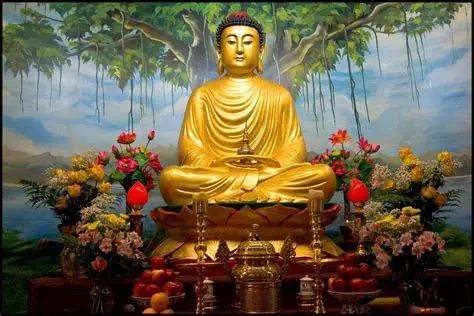
India is the birthplace of Buddhism, and its spiritual heritage continues to thrive through vibrant celebrations across the country. Buddhist Festivals in India are not only religious occasions but also cultural events that bring communities together in joy, devotion, and reflection. These festivals highlight the teachings of the Buddha, the values of compassion and mindfulness, and the rich traditions of Buddhist communities spread across India.
Introduction to Buddhist Festivals
Buddhism originated in India in the 6th century BCE with the teachings of Siddhartha Gautama, who became the Buddha. Over centuries, Buddhism spread across Asia, but India remains home to many sacred sites and festivals that commemorate key events in Buddha’s life. These festivals are celebrated in monasteries, temples, and towns, attracting pilgrims, tourists, and spiritual seekers.
Why Buddhist Festivals in India Are Special
- Spiritual Significance: They commemorate important events in Buddha’s life.
- Cultural Richness: Blend of rituals, music, dance, and traditional art.
- Community Bonding: Festivals bring together monks, devotees, and visitors.
- Global Appeal: Pilgrims from across the world participate in these celebrations.
- Peaceful Atmosphere: Emphasis on meditation, prayer, and compassion.
Major Buddhist Festivals in India
1. Buddha Purnima (Vesak)
Buddha Purnima is the most important Buddhist festival, celebrated on the full moon day in April or May. It marks the birth, enlightenment, and Mahaparinirvana of the Buddha. Celebrations include prayers, meditation, sermons, and processions. Bodh Gaya, Sarnath, and Kushinagar are major centers for this festival.
2. Losar – Tibetan New Year
Losar is celebrated in regions with Tibetan Buddhist influence, such as Ladakh, Sikkim, and Dharamshala. It marks the Tibetan New Year, usually in February or March. Rituals include prayers, dances, and offerings to deities. Monasteries are decorated, and cultural performances add vibrancy.
3. Hemis Festival
Held at Hemis Monastery in Ladakh, this festival honors Guru Padmasambhava, who spread Buddhism in Tibet. Celebrated in June or July, it features masked dances, traditional music, and rituals. The highlight is the display of a giant thangka (religious painting).
4. Saga Dawa
Saga Dawa is celebrated in Sikkim and Ladakh, marking the enlightenment and death of the Buddha. Devotees engage in prayers, charity, and rituals. Monasteries organize special ceremonies, and people donate food and essentials to the needy.
5. Ullambana (Ancestor Festival)
Ullambana, also known as the Ghost Festival, is celebrated in some Buddhist communities to honor ancestors. Rituals include offerings of food and prayers for departed souls. It reflects the Buddhist value of compassion for all beings.
6. Kathina Ceremony
Kathina is celebrated after the monsoon retreat of monks. Devotees offer new robes and essentials to monks, symbolizing generosity and gratitude. It is observed in some monasteries in India, especially in regions with Theravada Buddhist influence.
7. Lhabab Duchen
Lhabab Duchen commemorates Buddha’s descent from heaven after teaching his mother. Celebrated in Sikkim and Ladakh, it involves prayers, rituals, and cultural performances. It is considered a highly auspicious day.
Cultural Experiences During Buddhist Festivals
- Rituals: Prayers, chanting, and meditation sessions.
- Performances: Masked dances, folk music, and traditional plays.
- Cuisine: Simple vegetarian meals, Tibetan momos, and herbal teas.
- Decorations: Monasteries adorned with flags, lamps, and thangkas.
- Community Service: Acts of charity and compassion are emphasized.
Buddhist Festivals in Key Regions
- Bodh Gaya (Bihar): Buddha Purnima celebrations at the Mahabodhi Temple.
- Sarnath (Uttar Pradesh): Sermons and rituals during Buddha Purnima.
- Kushinagar (Uttar Pradesh): Mahaparinirvana commemorations.
- Ladakh: Hemis Festival, Losar, and Saga Dawa.
- Sikkim: Losar, Saga Dawa, and Lhabab Duchen.
- Dharamshala (Himachal Pradesh): Tibetan Buddhist festivals with global participation.
Adventure and Tourism Around Buddhist Festivals
Many festivals are celebrated in scenic regions, offering travelers a mix of spirituality and adventure:
- Trekking: Around Ladakh and Sikkim during festival seasons.
- Nature Walks: In Bodh Gaya and Kushinagar.
- Cultural Tours: Exploring monasteries and local traditions.
Eco-Tourism and Buddhist Values
Buddhism emphasizes harmony with nature, and festivals often promote eco-friendly practices. Monasteries encourage sustainable living, organic farming, and conservation. Visitors are urged to respect the environment and local culture.
Best Time to Experience Buddhist Festivals in India
- Spring (April–May): Buddha Purnima.
- Summer (June–July): Hemis Festival, Saga Dawa.
- Autumn (October–November): Lhabab Duchen, Ullambana.
- Winter (February–March): Losar celebrations.
Government Initiatives for Buddhist Tourism
India promotes Buddhist tourism through the Buddhist Circuit, connecting Bodh Gaya, Sarnath, Kushinagar, and other sites. Infrastructure development, cultural festivals, and international collaborations enhance the appeal of Buddhist destinations and festivals.
Suggested Itineraries
Classic Buddhist Festival Circuit
- Bodh Gaya → Sarnath → Kushinagar → Rajgir
Himalayan Festival Circuit
- Ladakh → Hemis Monastery → Sikkim → Dharamshala
Cultural & Spiritual Circuit
- Bodh Gaya → Nalanda → Sarnath → Dharamshala → Tawang
Conclusion
Buddhist Festivals in India are more than religious events—they are celebrations of peace, compassion, and cultural heritage. From the grand Buddha Purnima in Bodh Gaya to the colorful Hemis Festival in Ladakh, from Losar in Sikkim to Saga Dawa in Dharamshala, these festivals offer a journey into spirituality and tradition. Whether you are a pilgrim, a traveler, or a seeker of wisdom, India’s Buddhist festivals welcome you with open arms. Truly, they are experiences that inspire the soul and enrich the mind.