India is the birthplace of Buddhism, and its sacred sites continue to inspire millions of pilgrims and travelers. Buddhist Monasteries in India are not only centers of worship but also repositories of history, culture, and spiritual wisdom. From ancient monasteries in Bihar to vibrant Tibetan centers in the Himalayas, these monasteries reflect the diversity and depth of Buddhist traditions across the country.
Introduction to Buddhist Monasteries
Monasteries, or viharas, have been integral to Buddhism since its origin in the 6th century BCE. They served as places for monks to meditate, study, and teach. Over centuries, monasteries in India evolved into architectural marvels, cultural hubs, and spiritual sanctuaries. Today, they attract pilgrims, scholars, and tourists from around the world.
Why Buddhist Monasteries in India Are Special
- Historical Significance: Many monasteries are linked to Buddha’s life and teachings.
- Spiritual Value: Centers for meditation, prayer, and learning.
- Architectural Beauty: Intricate carvings, murals, and stupas.
- Cultural Richness: Blend of Indian, Tibetan, and Southeast Asian influences.
- Global Appeal: Pilgrims and tourists from across the world visit these sites.
Major Buddhist Monasteries in India
1. Mahabodhi Monastery, Bodh Gaya (Bihar)
Bodh Gaya is the most sacred Buddhist site, where Buddha attained enlightenment under the Bodhi Tree. The Mahabodhi Temple Complex includes monasteries built by countries like Thailand, Japan, and Bhutan. It is a UNESCO World Heritage site and a hub for global Buddhist pilgrims.
2. Nalanda Monastery Ruins (Bihar)
Nalanda was one of the world’s first residential universities, attracting scholars from across Asia. The ruins of Nalanda Monastery showcase its grandeur, with ancient stupas, temples, and classrooms. It was a hub of Buddhist learning for centuries.
3. Rumtek Monastery (Sikkim)
Located near Gangtok, Rumtek Monastery is one of the largest in Sikkim. It is the seat of the Karmapa lineage of Tibetan Buddhism. The monastery houses sacred relics and is known for its vibrant festivals and rituals.
4. Tawang Monastery (Arunachal Pradesh)
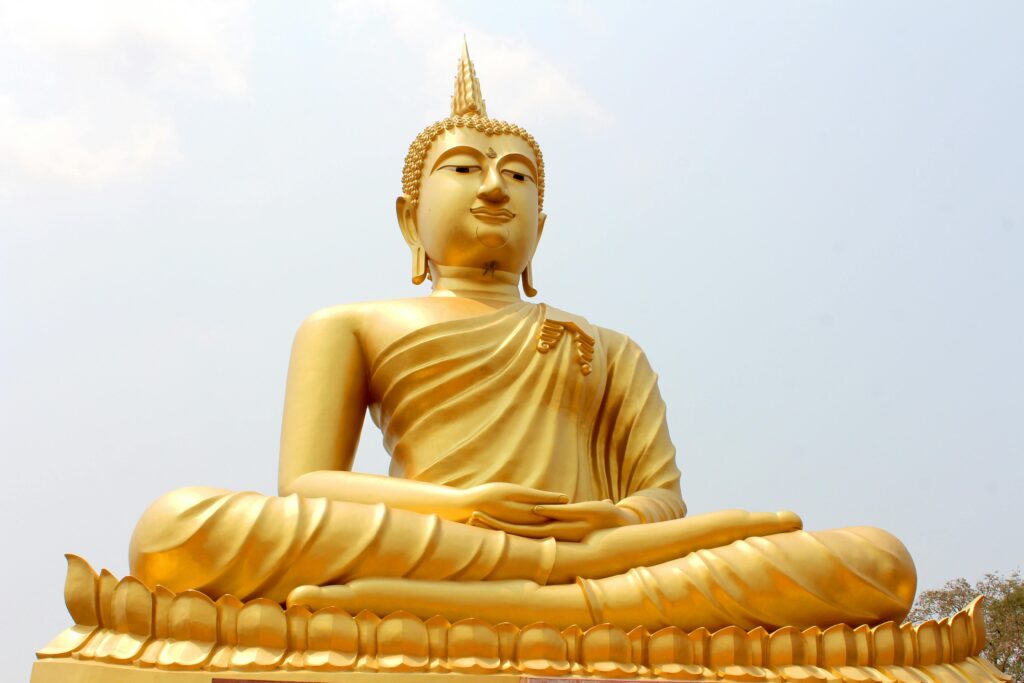
Tawang Monastery is the largest in India and the second largest in the world. Perched at 10,000 feet, it offers breathtaking views of the Himalayas. It is a center of Tibetan Buddhism and houses a massive golden statue of Buddha.
5. Namgyal Monastery, Dharamshala (Himachal Pradesh)
Namgyal Monastery is the personal monastery of the Dalai Lama. Located in Dharamshala, it is a hub for Tibetan Buddhism and attracts global visitors. It offers meditation programs and cultural experiences.
6. Hemis Monastery (Ladakh)
Hemis Monastery is famous for the annual Hemis Festival, which honors Guru Padmasambhava. The monastery houses sacred relics and thangkas. Its masked dances and rituals attract tourists and devotees alike.
7. Thiksey Monastery (Ladakh)
Thiksey Monastery resembles the Potala Palace in Lhasa, Tibet. It is known for its 15-meter-high statue of Maitreya Buddha. The monastery offers panoramic views of the Indus Valley.
8. Ghoom Monastery (Darjeeling, West Bengal)
Ghoom Monastery is one of the oldest in Darjeeling. It houses a 15-foot-high statue of Maitreya Buddha and rare Buddhist manuscripts. It is a popular tourist attraction in the region.
9. Mindrolling Monastery (Dehradun, Uttarakhand)
Mindrolling Monastery is one of the largest Tibetan monasteries in India. It features a 60-meter-high stupa and beautiful gardens. It is a center for Buddhist studies and rituals.
10. Shanti Stupa, Leh (Ladakh)
Though not a monastery, the Shanti Stupa is a significant Buddhist site. Built by Japanese monks, it symbolizes peace and harmony. It offers stunning views of Leh and the surrounding mountains.
Cultural Experiences at Buddhist Monasteries
- Meditation Retreats: Many monasteries offer meditation and mindfulness programs.
- Festivals: Hemis Festival, Losar, and Buddha Purnima are celebrated with devotion.
- Cuisine: Simple vegetarian meals, Tibetan momos, and herbal teas.
- Handicrafts: Thangka paintings, prayer wheels, and Buddhist sculptures.
Adventure and Nature Around Monasteries
Many monasteries are located in scenic regions, offering travelers a mix of spirituality and adventure:
- Trekking: Around Ladakh, Sikkim, and Arunachal Pradesh.
- Nature Walks: In Bodh Gaya and Nalanda.
- Mountain Views: From Tawang and Thiksey monasteries.
Eco-Tourism and Buddhist Values
Buddhism emphasizes harmony with nature. Many monasteries promote eco-friendly practices, organic farming, and conservation. Visitors are encouraged to respect the environment and local traditions.
Best Time to Visit Buddhist Monasteries in India
- Winter (October–March): Pleasant weather for sightseeing in most regions.
- Summer (April–June): Ideal for hill destinations like Ladakh and Sikkim.
- Monsoon (July–September): Lush landscapes but heavy rains in some areas.
Government Initiatives for Buddhist Tourism
India promotes Buddhist tourism through the Buddhist Circuit, connecting Bodh Gaya, Nalanda, Sarnath, Kushinagar, and other sites. Infrastructure development, cultural festivals, and international collaborations enhance the appeal of Buddhist monasteries.
Suggested Itineraries
Classic Buddhist Circuit
- Bodh Gaya → Nalanda → Rajgir → Sarnath → Kushinagar
Himalayan Monastery Circuit
- Dharamshala → Rumtek → Tawang → Ladakh monasteries
Cultural & Spiritual Circuit
- Bodh Gaya → Nalanda → Dharamshala → Sikkim → Arunachal Pradesh
Conclusion
Buddhist Monasteries in India are not just places of worship—they are living symbols of peace, wisdom, and cultural heritage. From the sacred Mahabodhi Temple in Bodh Gaya to the majestic Tawang Monastery in Arunachal Pradesh, from the vibrant Rumtek in Sikkim to the serene Namgyal in Dharamshala, these monasteries offer a journey into spirituality and tradition. Whether you are a pilgrim, a traveler, or a seeker of wisdom, India’s Buddhist monasteries welcome you with open arms. Truly, they are experiences that inspire the soul and enrich the mind.