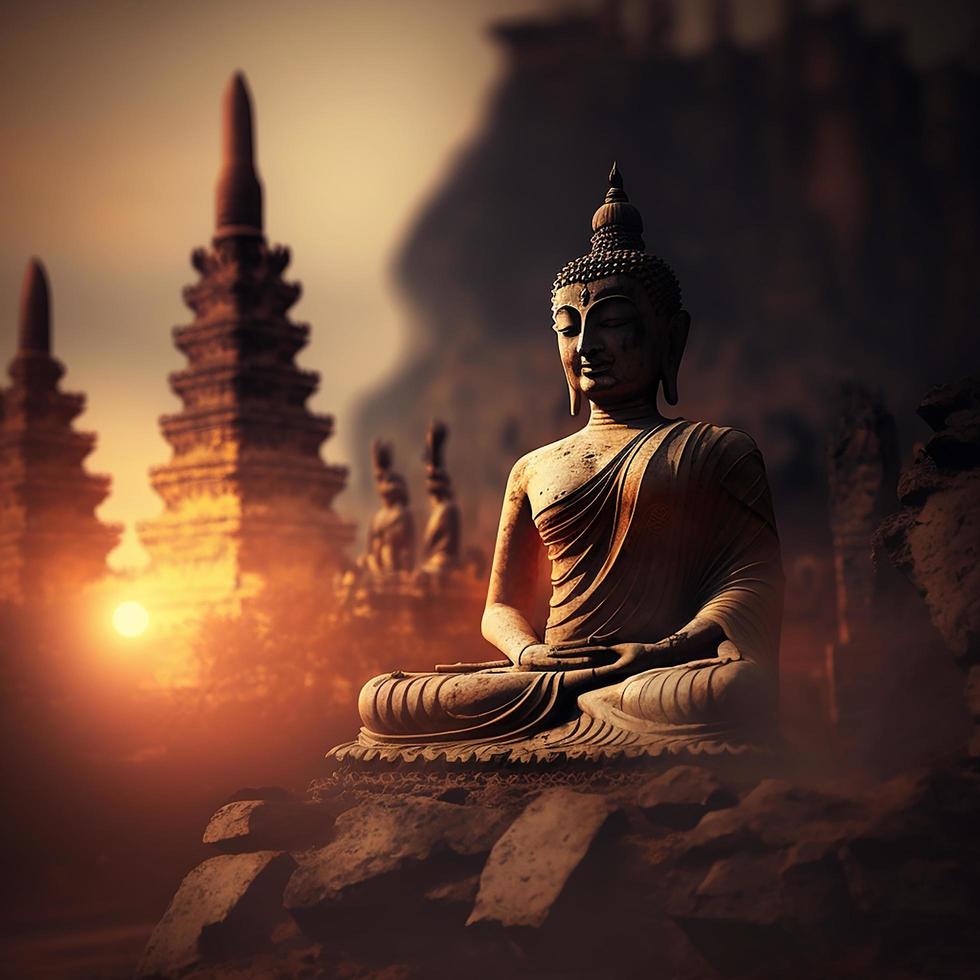
Buddhism is one of the world’s oldest spiritual traditions, and its sacred architecture reflects centuries of devotion, artistry, and cultural exchange. Best Buddhist Temples in the World are not only places of worship but also living monuments that embody peace, wisdom, and harmony. From towering stupas in Asia to serene monasteries nestled in mountains, these temples attract millions of pilgrims and travelers every year.
Introduction to Buddhist Temples
Buddhist temples are more than religious structures—they are centers of meditation, learning, and community. Built across continents, they showcase diverse architectural styles influenced by local cultures while preserving the essence of Buddhist philosophy. Visiting these temples offers a chance to experience tranquility, admire artistic brilliance, and connect with centuries of spiritual heritage.
Why Buddhist Temples Are Special
- Spiritual Significance: They commemorate Buddha’s life and teachings.
- Architectural Beauty: Intricate carvings, murals, and statues.
- Cultural Richness: Blend of Indian, Tibetan, Chinese, Japanese, and Southeast Asian traditions.
- Global Appeal: Pilgrims and tourists from across the world visit these temples.
- Peaceful Atmosphere: Emphasis on meditation, compassion, and mindfulness.
Best Buddhist Temples in the World
1. Mahabodhi Temple, Bodh Gaya (India)
The Mahabodhi Temple is one of the most sacred Buddhist sites. Located in Bihar, India, it marks the spot where Siddhartha Gautama attained enlightenment under the Bodhi Tree. A UNESCO World Heritage site, it features a towering spire and serene meditation gardens. Pilgrims from across the globe meditate here, making it a spiritual epicenter.
2. Shwedagon Pagoda, Yangon (Myanmar)
Shwedagon Pagoda is one of the most iconic Buddhist temples in the world. Covered in gold and encrusted with diamonds, it stands 99 meters tall. Believed to house relics of four Buddhas, it is a symbol of Myanmar’s devotion and cultural pride.
3. Borobudur Temple, Java (Indonesia)
Borobudur is the largest Buddhist monument in the world. Built in the 9th century, it features nine stacked platforms adorned with over 2,600 relief panels and 500 Buddha statues. Its design represents the Buddhist cosmology, guiding pilgrims from the earthly realm to enlightenment.
4. Wat Pho, Bangkok (Thailand)
Wat Pho is famous for its massive reclining Buddha statue, measuring 46 meters long. It is also a center for traditional Thai massage and healing practices. The temple complex is richly decorated with stupas, murals, and courtyards.
5. Todaiji Temple, Nara (Japan)
Todaiji Temple houses the world’s largest bronze statue of Buddha Vairocana. Built in the 8th century, it is a UNESCO World Heritage site and a symbol of Japan’s Buddhist heritage. The temple complex includes gardens, museums, and deer roaming freely.
6. Jokhang Temple, Lhasa (Tibet)
Jokhang Temple is the spiritual heart of Tibetan Buddhism. Built in the 7th century, it houses the revered Jowo Shakyamuni statue. Pilgrims from across Tibet prostrate themselves along the streets leading to the temple, creating a powerful spiritual atmosphere.
7. Angkor Wat, Siem Reap (Cambodia)
Though originally a Hindu temple, Angkor Wat later became a major Buddhist site. It is the largest religious monument in the world, with intricate carvings depicting Buddhist and Hindu stories. Its grandeur makes it one of the most visited temples globally.
8. Boudhanath Stupa, Kathmandu (Nepal)
Boudhanath Stupa is one of the largest spherical stupas in the world. Its massive white dome and all-seeing eyes of Buddha symbolize wisdom and compassion. It is a UNESCO World Heritage site and a center for Tibetan Buddhism in Nepal.
9. Wat Arun, Bangkok (Thailand)
Known as the Temple of Dawn, Wat Arun is one of Thailand’s most beautiful temples. Its central spire is decorated with colorful porcelain, reflecting sunlight in dazzling patterns. It symbolizes the rising sun and spiritual awakening.
10. Lama Temple (Yonghe Temple), Beijing (China)
The Lama Temple is one of the most important Tibetan Buddhist temples outside Tibet. It houses a massive statue of Maitreya Buddha carved from a single piece of sandalwood. Its architecture blends Han Chinese and Tibetan styles.
Cultural Experiences at Buddhist Temples
- Meditation Retreats: Many temples offer meditation and mindfulness programs.
- Festivals: Buddha Purnima, Losar, and Vesak are celebrated with devotion.
- Cuisine: Simple vegetarian meals, herbal teas, and local delicacies.
- Handicrafts: Thangka paintings, prayer wheels, and Buddhist sculptures.
Adventure and Nature Around Temples
Many temples are located in scenic regions, offering travelers a mix of spirituality and adventure:
- Trekking: Around Borobudur, Angkor Wat, and Himalayan monasteries.
- Nature Walks: In Bodh Gaya and Nara.
- Mountain Views: From Jokhang Temple and Boudhanath Stupa.
Eco-Tourism and Buddhist Values
Buddhism emphasizes harmony with nature. Temples often promote eco-friendly practices, organic farming, and conservation. Visitors are encouraged to respect the environment and local traditions.
Best Time to Visit Buddhist Temples
- Spring (March–May): Ideal for festivals like Vesak.
- Summer (June–August): Suitable for Himalayan temples and high-altitude monasteries.
- Autumn (September–November): Clear skies and cultural events.
- Winter (December–February): Pleasant weather in Southeast Asia.
Government and Global Initiatives
Countries like India, Thailand, and Cambodia promote Buddhist tourism through heritage conservation, infrastructure development, and international collaborations. UNESCO has recognized many temples as World Heritage sites, ensuring their preservation for future generations.
Suggested Itineraries
Classic Buddhist Circuit
- Bodh Gaya → Sarnath → Kushinagar → Nalanda
Southeast Asian Circuit
- Bangkok → Yangon → Siem Reap → Borobudur
Himalayan Circuit
- Lhasa → Kathmandu → Dharamshala → Bhutan monasteries
Conclusion
The Best Buddhist Temples in the World are not just architectural marvels—they are living symbols of peace, wisdom, and cultural heritage. From the sacred Mahabodhi Temple in India to the golden Shwedagon Pagoda in Myanmar, from Borobudur’s grandeur in Indonesia to Jokhang’s spiritual aura in Tibet, these temples offer journeys into the heart of Buddhism. Whether you are a pilgrim, a traveler, or a seeker of wisdom, these temples welcome you with open arms. Truly, they are experiences that inspire the soul and enrich the mind.