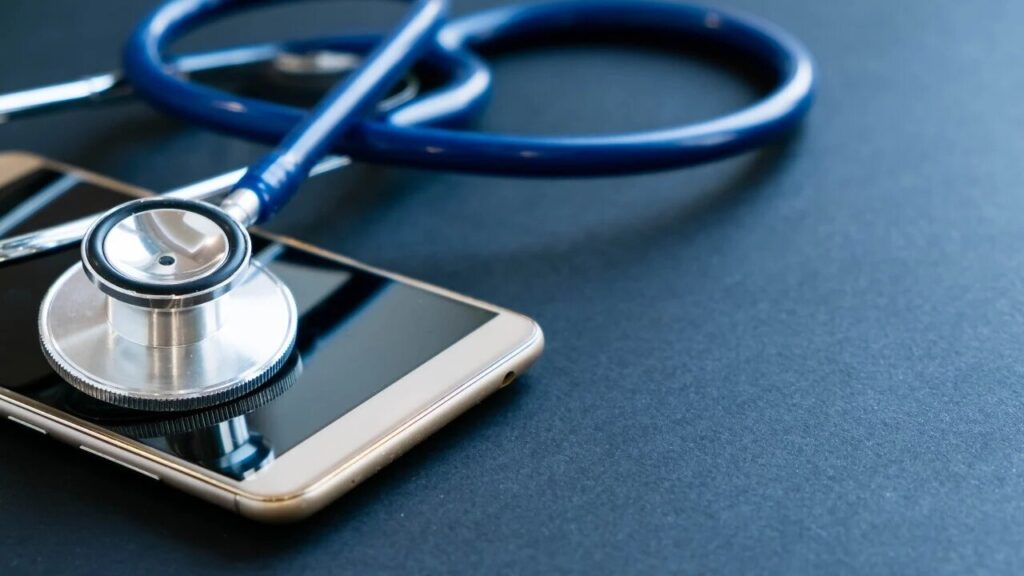
The smartphone repair industry has grown rapidly as mobile devices have become an essential part of daily life. Millions of people rely on smartphones for communication, business, entertainment, and online services. As a result, mobile repair shops and refurbishment businesses face increasing pressure to deliver fast, accurate, and reliable repair services. However, one of the biggest challenges in the industry is reducing repair errors.
Repair mistakes can lead to customer dissatisfaction, higher operational costs, repeated repairs, and damaged business reputations. Incorrect diagnoses, missed hardware issues, and inconsistent testing procedures often contribute to these problems. This is why businesses are increasingly turning to phone diagnostic software to improve repair accuracy and streamline workflows.
Modern solutions like Phone Clinix help technicians identify issues more efficiently, automate testing procedures, and ensure devices are properly validated after repairs. By reducing human error and improving diagnostic precision, these tools are helping repair businesses maintain higher quality standards and stronger customer trust.
This article explores how phone diagnostic software reduces repair errors, improves mobile repair operations, and supports better service quality in the smartphone industry.
Understanding Repair Errors in the Mobile Industry
Repair errors occur when technicians incorrectly diagnose, repair, or validate a smartphone issue. These mistakes can happen for several reasons, including lack of proper testing tools, incomplete inspections, or reliance on manual troubleshooting methods.
Common repair errors include:
- Replacing the wrong component
- Missing hidden hardware issues
- Improper battery installation
- Failing to test repaired devices completely
- Overlooking software-related problems
- Incorrect device grading after repairs
Even small errors can lead to serious problems for repair businesses. Customers may return devices for additional repairs, request refunds, or lose confidence in the company.
Reducing repair errors is essential for improving efficiency, customer satisfaction, and long-term business success.
What Is Phone Diagnostic Software?
Phone diagnostic software is a digital solution designed to test and analyze smartphone hardware and software systems. It automates inspections and provides technicians with detailed information about device functionality.
Diagnostic software can evaluate:
- Battery health
- Display performance
- Touchscreen responsiveness
- Charging systems
- Cameras
- Audio components
- Connectivity features
- Sensors
- Buttons and biometric systems
Instead of relying solely on manual inspections, technicians use automated diagnostics to identify problems quickly and accurately.
By standardizing testing procedures, phone diagnostic software helps businesses reduce mistakes and improve repair consistency.
Why Repair Accuracy Matters
Repair accuracy is critical because it directly affects customer trust, operational efficiency, and profitability.
Customer Satisfaction
Customers expect repaired devices to function properly after service. Repeated issues can damage customer confidence and lead to negative reviews.
Reduced Warranty Claims
Accurate repairs lower the number of warranty-related returns and follow-up repairs.
Lower Operational Costs
Repair mistakes increase labor expenses, replacement part usage, and repair times.
Better Business Reputation
Businesses known for reliable repairs are more likely to gain loyal customers and positive referrals.
Improved Workflow Efficiency
Technicians can work more efficiently when they have accurate diagnostic information before beginning repairs.
How Phone Clinix Helps Reduce Repair Errors
Phone Clinix is designed to improve smartphone diagnostics and simplify repair validation through automation and intelligent testing systems.
Automated Multi-Point Diagnostics
One of the most valuable features of Phone Clinix is automated testing across multiple hardware and software components.
The system can evaluate:
- Screens
- Batteries
- Cameras
- Speakers
- Sensors
- Connectivity systems
- Charging ports
Automation reduces the risk of missed issues and ensures every device undergoes the same inspection process.
Faster Problem Identification
Technicians can identify faults more quickly using detailed diagnostic reports generated by Phone Clinix.
This reduces guesswork and helps prevent incorrect repairs.
Post-Repair Validation
After repairs are completed, devices must be tested again to confirm that all components are functioning correctly.
Phone Clinix allows businesses to perform complete post-repair validation, ensuring higher service quality.
Standardized Testing Procedures
Different technicians may use different repair methods, which can create inconsistencies. Automated diagnostics help standardize repair inspections across all devices.
Common Causes of Repair Errors
Manual Troubleshooting Limitations
Manual testing often depends on technician experience and observation. Hidden issues may go unnoticed during basic inspections.
Lack of Proper Testing Tools
Without reliable diagnostic tools, technicians may struggle to identify complex hardware or software problems.
Time Pressure
Repair shops handling high device volumes may rush inspections, increasing the likelihood of errors.
Incomplete Device Testing
Some repair businesses only test the repaired component instead of evaluating the entire device.
Inconsistent Procedures
Different technicians may follow different inspection methods, leading to inconsistent repair quality.
Using phone diagnostic software helps eliminate many of these challenges through automation and structured testing.
Benefits of Phone Diagnostic Software for Repair Shops
Improved Diagnostic Accuracy
Automated testing provides more reliable results than manual inspections alone.
Reduced Human Error
Standardized testing procedures minimize inconsistencies between technicians.
Faster Repair Turnaround
Quick diagnostics allow businesses to complete repairs more efficiently.
Better Resource Management
Accurate diagnostics help businesses avoid unnecessary part replacements and wasted labor.
Increased Customer Trust
Detailed diagnostic reports provide transparency and reassure customers about repair quality.
Battery Diagnostics and Error Prevention
Battery-related issues are among the most common smartphone repair problems. Improper battery diagnosis can lead to repeated customer complaints and device failures.
Phone diagnostic software helps technicians evaluate:
- Battery capacity
- Charging performance
- Power stability
- Temperature behavior
- Battery health status
Accurate battery diagnostics reduce replacement errors and improve device reliability.
Display and Touchscreen Validation
Screen repairs are one of the most common services offered by repair businesses. However, touchscreen issues can sometimes remain undetected after repairs.
Diagnostic tools help validate:
- Touch responsiveness
- Display brightness
- Pixel quality
- Screen sensitivity
- Multi-touch functionality
Using Phone Clinix helps ensure repaired displays function properly before devices are returned to customers.
Camera and Sensor Testing
Modern smartphones rely heavily on cameras and advanced sensors. These components require precise testing during repairs.
Diagnostic software can identify issues with:
- Front and rear cameras
- Autofocus systems
- Flash functionality
- Proximity sensors
- Accelerometers
- Gyroscopes
Proper testing prevents overlooked hardware failures and improves overall repair quality.
Connectivity Testing for Complete Repairs
Many smartphone problems involve connectivity systems such as Wi-Fi, Bluetooth, GPS, or mobile networks.
Repair technicians use phone diagnostic software to validate:
- Wireless signal performance
- Bluetooth functionality
- GPS accuracy
- SIM card recognition
- Internet connectivity
Comprehensive connectivity testing helps prevent recurring customer complaints after repairs.
Supporting Refurbishment Businesses
Refurbishment companies also rely heavily on diagnostics to reduce errors during device restoration.
Refurbishment workflows involve:
- Inspecting incoming devices
- Identifying repair needs
- Replacing damaged components
- Validating completed repairs
- Preparing devices for resale
Solutions like Phone Clinix streamline these processes through automated inspections and standardized testing systems.
Data-Driven Repair Management
Modern diagnostic systems generate valuable operational data that businesses can use to improve repair performance.
Diagnostic data can help identify:
- Frequent repair issues
- Technician performance trends
- Common hardware failures
- Repeat customer problems
- Warranty claim patterns
This information supports better decision-making and long-term operational improvements.
The Importance of Post-Repair Testing
One of the biggest causes of repair-related customer complaints is incomplete post-repair testing.
Even if the repaired component works correctly, other systems may still have hidden issues. Comprehensive testing ensures the entire device functions properly before delivery.
Post-repair validation improves:
- Repair accuracy
- Customer satisfaction
- Warranty performance
- Business reputation
Automated diagnostics make this process faster and more reliable.
Challenges Without Automated Diagnostics
Businesses that rely solely on manual testing often experience several problems.
Higher Error Rates
Manual inspections increase the risk of overlooked issues and incorrect diagnoses.
Slower Repair Processes
Technicians spend more time troubleshooting devices manually.
Increased Costs
Repair errors lead to repeated labor, replacement parts, and warranty claims.
Inconsistent Service Quality
Different technicians may evaluate devices differently.
Automation helps businesses overcome these challenges by providing structured and accurate testing procedures.
Future Trends in Mobile Repair Diagnostics
The future of smartphone repair diagnostics will likely include advanced technologies such as:
- Artificial intelligence diagnostics
- Predictive repair analysis
- Cloud-based testing systems
- Automated repair recommendations
- Real-time device monitoring
- Advanced battery analytics
As smartphones become more sophisticated, repair businesses will increasingly depend on intelligent diagnostic solutions.
Why Businesses Are Investing in Diagnostic Technology
Repair businesses are adopting phone diagnostic software because it improves operational performance and reduces costly mistakes.
Key advantages include:
- Faster diagnostics
- Better repair accuracy
- Lower return rates
- Improved customer trust
- Reduced labor costs
- Higher productivity
- Stronger quality control
Solutions like Phone Clinix help businesses modernize repair operations and remain competitive in a rapidly growing industry.
Choosing the Right Diagnostic Solution
Businesses selecting a diagnostic platform should consider several factors.
Testing Accuracy
Reliable diagnostics are essential for identifying issues correctly.
Ease of Use
Technicians should be able to operate the software efficiently.
Reporting Features
Detailed reports improve transparency and support customer communication.
Automation Capabilities
Automation helps reduce repair time and improve consistency.
Device Compatibility
The software should support multiple smartphone brands and models.
Technical Support
Reliable support ensures smooth business operations and minimal downtime.
Conclusion
Reducing repair errors has become a top priority for modern smartphone repair businesses. Accurate diagnostics, consistent testing procedures, and reliable validation systems are essential for maintaining service quality and customer trust.
This is why phone diagnostic software has become such an important tool in the mobile repair industry. Automated diagnostics improve repair accuracy, reduce human error, and streamline operational workflows.
Solutions like Phone Clinix are helping repair businesses modernize their processes through advanced automation, detailed reporting, and standardized testing systems. These tools not only reduce repair mistakes but also improve customer satisfaction, operational efficiency, and long-term profitability.
As the smartphone industry continues to evolve, businesses that invest in advanced diagnostic technology will be better positioned to provide reliable, high-quality repair services while staying competitive in the growing mobile repair market.