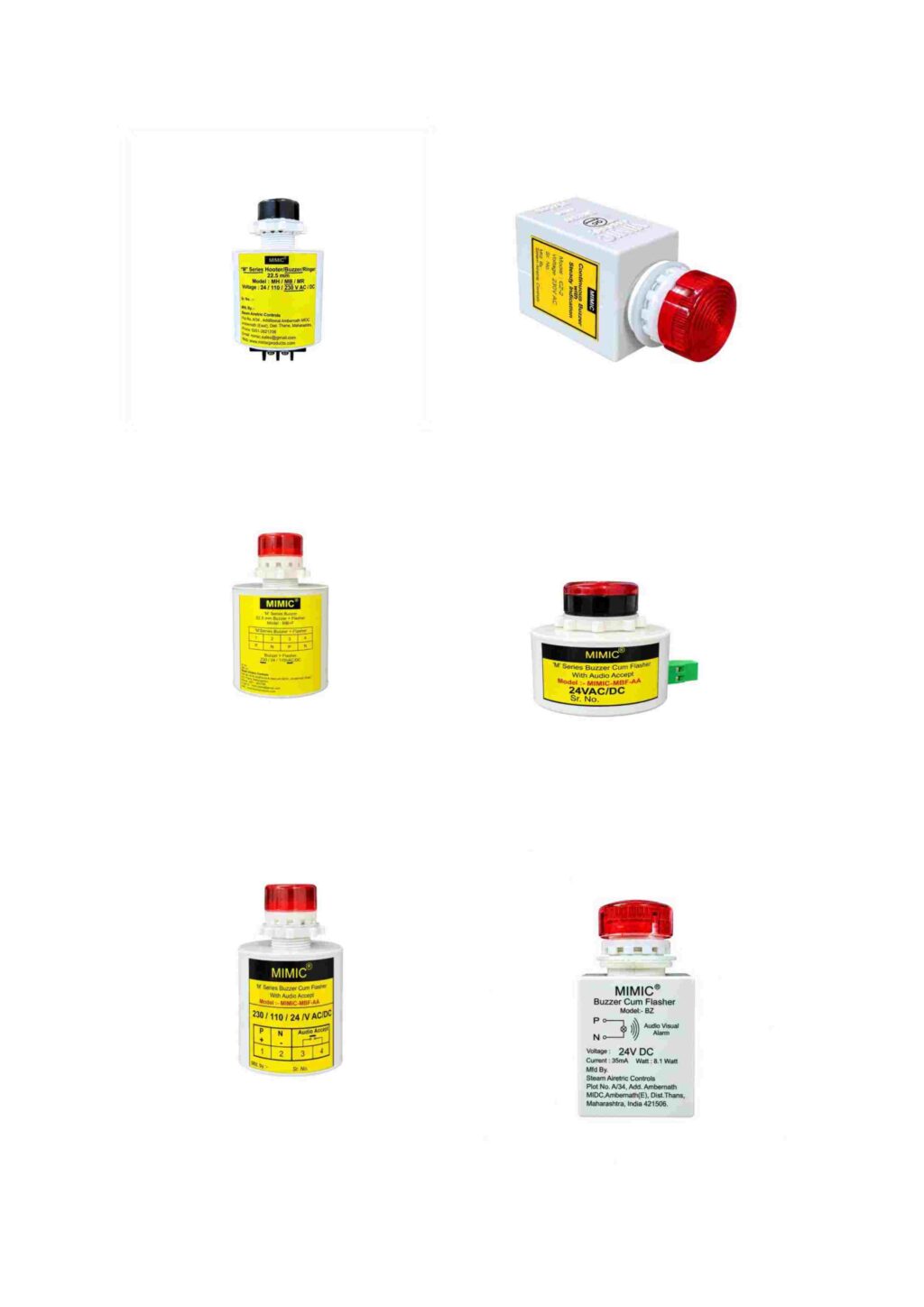
Modern industrial facilities use electrical equipment, automated machinery, and control systems to manage daily operations. These systems generate different types of information that operators need to monitor. When an unexpected condition occurs, communicating the situation quickly becomes important for maintaining operational continuity.
Warning indicators help make equipment conditions more noticeable. Among the available signaling solutions, a Buzzer cum flasher combines an audible alarm with a flashing visual indication. This dual signaling arrangement provides operators with two ways to recognize alerts and respond according to the operating requirements.
Why Do Industrial Systems Need Warning Signals?
Industrial equipment does not always operate under identical conditions. Changes in electrical supply, machine performance, temperature, or connected processes may require attention from maintenance personnel.
Without a suitable notification arrangement, operators may overlook important changes, especially when monitoring several machines at the same time.
Warning signals help address this challenge by communicating predefined conditions through audible or visual indications.
Some common reasons for using industrial warning devices include:
- Communicating abnormal equipment conditions.
- Indicating selected machine faults.
- Notifying operators about process interruptions.
- Drawing attention to control panel alerts.
- Supporting monitoring activities in production areas.
A suitable warning arrangement helps make operational information easier to recognize.
What Makes a Buzzer cum flasher Useful?
A Buzzer cum flasher integrates two signaling functions into a single electrical device. The audible component produces an alarm sound, while the visual component generates a flashing light.
This combination can be useful in industrial environments where operators may be exposed to background noise, multiple machines, and different visual activities.
Instead of depending on only one notification method, the device offers sound and light indications together.
Audible Notification for Immediate Attention
The buzzer generates sound when the connected electrical circuit activates it. This allows personnel to become aware of an alert even when they are not directly looking at the control panel.
Visual Notification for Clear Identification
The flashing light provides a visible signal that can help operators notice an active warning condition. Its effectiveness depends on the location, visibility, and surrounding lighting conditions.
Combined Signaling Arrangement
The combination of these two functions provides an additional level of alert communication. It is particularly relevant to applications where both audible and visual notification methods are required.
Common Industrial Applications
The use of combined warning equipment varies according to the installation and operational requirements. Some important application areas are discussed below.
1. Machine Fault Indication
Industrial machines contain electrical and mechanical components that require monitoring. When a connected control system detects a predefined fault condition, it may activate a warning device to notify the operator.
2. Control Panel Monitoring
Control panels manage different electrical operations and contain several monitoring and switching components. A combined warning unit can help communicate selected abnormal conditions within these installations.
3. Manufacturing Operations
Production facilities often operate multiple machines simultaneously. Audible and visual signals can help maintenance teams recognize equipment-related alerts without continuously checking every machine.
4. Electrical Equipment Monitoring
Electrical installations may require notification when selected operating parameters move outside predefined limits. A warning device connected to the appropriate monitoring circuit can communicate these conditions.
5. Automated Production Lines
Automation systems use controllers, sensors, and relays to manage equipment functions. A combined signaling unit can be incorporated into a compatible control circuit to provide notifications during programmed events.
Factors That Influence Warning Device Performance
The usefulness of an industrial signaling device depends on several technical and installation-related factors. Selecting the right model requires understanding the environment in which it will operate.
Operating Voltage: The rated voltage must match the available supply. Always check the manufacturer’s specifications before making electrical connections.
Audible Output: The sound should be noticeable within the intended operating area. Background noise and the distance between the device and operators can influence alert recognition.
Visual Visibility: The flashing indication should be clearly visible from the intended viewing positions. Mounting height and surrounding lighting conditions should be considered.
Mounting Arrangement: The available installation space, panel design, and accessibility for inspection should be evaluated.
Environmental Conditions: Dust, moisture, temperature, and other surrounding conditions may influence the required product protection level.
Control Circuit Compatibility: The warning device should be compatible with the connected switching or control arrangement.
Combined Warning Devices and Separate Signaling Components
Industrial users can choose between integrated signaling products and separate audible and visual devices.
An integrated warning unit combines both functions into one product. This can simplify the physical arrangement when both notifications are required together.
Separate components, on the other hand, provide flexibility when different warning signals need independent activation or installation at different locations.
| Selection Factor | Combined Device | Separate Components |
|---|---|---|
| Audible signal | Included | Separate buzzer |
| Visual signal | Included | Separate indicator |
| Installation arrangement | Integrated | Individual installation |
| Space planning | Combined mounting | Separate mounting positions |
| Control requirements | Depends on model | Can be configured individually |
The appropriate arrangement depends on the control panel design, wiring requirements, and intended operating functions.
How Warning Signals Support Operator Response
Warning devices are useful because they help communicate information that may require human attention. However, receiving an alert is only the first step in the response process.
A well-organized industrial warning arrangement should be supported by clear operating procedures.
For example:
- A monitoring circuit identifies a predefined abnormal condition.
- The connected warning device receives an activation signal.
- The buzzer and flashing light provide an alert.
- The operator identifies the affected equipment.
- Maintenance personnel inspect the condition and follow the required corrective procedure.
This approach helps establish a structured response to equipment-related notifications.
It is also important to remember that an audible and visual alarm does not automatically correct a fault or protect equipment. Appropriate control and protective devices must be provided separately according to the installation requirements.
Installation and Maintenance Recommendations
Correct installation is necessary for reliable signaling operation. Before connecting a warning device, users should review its technical specifications and installation instructions.
The following practices are useful:
- Confirm that the supply voltage matches the product rating.
- Follow the recommended wiring arrangement.
- Install the device where operators can notice its signals.
- Ensure that the mounting position is secure.
- Test the sound and flashing functions after installation.
- Inspect wiring and connections periodically.
- Replace damaged components when required.
- Follow the manufacturer’s maintenance guidelines.
Regular inspection can help identify problems such as loose connections, damaged wiring, or reduced visibility.
Understanding Product Specifications Before Selection
Different industrial applications have different signaling requirements. Therefore, users should not select a warning device based only on its external appearance.
Important specifications include rated voltage, physical dimensions, mounting method, audible characteristics, flashing operation, and environmental protection.
Mimic Products provides information about different buzzer cum flasher models for electrical and industrial applications. Reviewing the available product details can help users understand the product range and identify a model that matches their installation requirements.
Conclusion
Industrial monitoring depends on clear communication between equipment and operating personnel. Warning devices provide a practical way to communicate predefined abnormal conditions and bring attention to situations that may require inspection.
A Buzzer cum flasher combines audible and visual notifications, making it relevant to electrical control panels, industrial machinery, automated production lines, and monitoring installations.
Understanding the working principle, application requirements, technical specifications, and maintenance practices helps users make informed decisions when selecting industrial signaling equipment. A properly selected and installed warning device can contribute to a more organized alert management arrangement.
Frequently Asked Questions (FAQs)
1. What is the function of a Buzzer cum flasher in industrial equipment?
It provides an audible alarm and a flashing visual signal to communicate warning conditions in industrial equipment and electrical control systems.
2. Can combined warning devices be installed in machine control panels?
Yes. They can be installed in compatible machine control panels when the product specifications and electrical requirements match the application.
3. How does a visual flashing signal help operators?
It provides a visible indication of an active warning, helping operators recognize alerts even when they are not directly monitoring the control panel.
4. Is a Buzzer cum flasher a protective electrical device?
No. Its primary function is warning indication. Circuit protection and equipment isolation require appropriate protective components.
5. What information should be checked before purchasing a warning device?
Users should review rated voltage, mounting dimensions, audible output, flashing characteristics, wiring requirements, and environmental suitability.
6. How often should industrial warning devices be inspected?
Inspection frequency should follow the manufacturer’s recommendations and the maintenance schedule established for the electrical installation.