default
Solar energy has become a practical option for many Dallas homeowners who want to produce electricity from sunlight. With plenty of sunshine throughout much of the year, a well planned solar system can help a property generate its own power while making better use of its roof space. However, getting good results depends on more than choosing solar panels. Proper planning, safe installation, roof condition, and professional workmanship all matter.
Understanding the installation process can help homeowners make informed decisions before investing in a solar energy system. From checking the roof to selecting equipment and arranging inspections, every stage plays a role in creating a reliable setup.
Understanding Roof Solar Panel Installation in Dallas TX
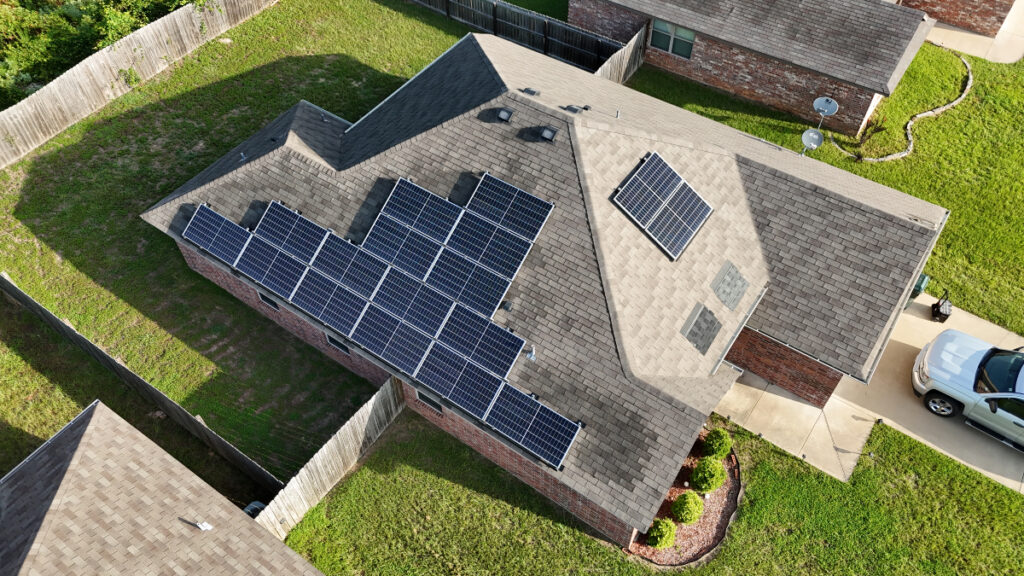
Roof solar panel installation in Dallas TX involves placing photovoltaic panels on a suitable roof so they can capture sunlight and convert it into electricity. The panels are connected to other equipment that allows the generated power to be used within the home.
The process should begin with an assessment of the property. A professional needs to consider the roof’s condition, available space, shading, slope, and the home’s electricity needs. These details help determine whether the roof is suitable and how the solar system should be designed.
Dallas weather can also influence solar planning. High temperatures, storms, strong winds, and periods of intense sunlight mean that equipment should be selected and installed with local conditions in mind.
Why the Roof Condition Matters
Installing solar panels on an aging or damaged roof can create problems later. Since panels are expected to remain in place for many years, homeowners should consider the roof’s remaining service life before installation begins.
A roof inspection can identify visible damage, weak areas, worn materials, or other concerns. If major roof work is needed, completing those repairs first may prevent the need to remove and reinstall solar equipment later.
Checking Roof Age and Condition
The roof should be evaluated for signs of deterioration. A professional inspection can help determine whether the structure is ready for solar equipment or whether maintenance should be completed first.
Important factors include:
- Roof age and remaining service life
- Existing leaks or damaged materials
- Roof structure and available installation space
- Shading from trees, buildings, or other structures
- Access for future maintenance
Addressing these issues before installation can make the overall project more organized and reduce potential complications.
Choosing a Licensed Solar Contractor
Selecting a licensed solar contractor is an important part of the installation process. Solar work involves electrical equipment, roof work, safety requirements, and local regulations. A qualified professional should understand how these areas work together.
Homeowners should look for a contractor who can clearly explain the proposed system, installation process, equipment, warranties, permits, and expected project timeline. It is also useful to ask about relevant experience and whether the company handles required inspections and documentation.
Questions to Ask Before Hiring
Before signing an agreement, homeowners can ask:
- What type of solar equipment will be installed?
- Will the roof be inspected before work begins?
- Who will handle permits and required inspections?
- What warranties apply to the equipment and workmanship?
- How will the system be monitored after installation?
Clear answers can help homeowners understand what they are paying for and what to expect during the project.
How Solar Panel Installation Works
A typical solar installation begins with planning and site assessment. The contractor evaluates the roof, electricity usage, and available sunlight before developing a system design.
Once the design is approved, the installation team prepares the roof and mounting equipment. Solar panels are then positioned and connected according to the system design. Electrical components are installed so that solar energy can be safely converted and distributed for use.
The completed system may need inspections and approval before it can be placed into regular operation. Local requirements can vary, so homeowners should work with professionals familiar with the rules that apply to their property.
Solar Panels and Dallas Weather
Dallas receives substantial sunlight, which can provide favorable conditions for solar energy production. However, sunlight is not the only weather factor to consider.
Severe weather can bring strong winds, heavy rain, hail, and storms. Solar equipment should therefore be properly mounted and installed according to applicable requirements. Good installation practices help ensure that panels and supporting equipment are securely positioned.
Heat is another consideration. Solar panels can continue producing electricity during hot weather, but their performance can vary with temperature and other environmental conditions. A professional system design takes the local climate into account.
Understanding Solar System Components
Solar panels are only one part of a complete solar energy system. The other components help manage and use the electricity produced by the panels.
A typical residential system may include solar panels, mounting equipment, an inverter, electrical wiring, monitoring equipment, and other required components. Each part has a specific purpose.
The inverter is especially important because solar panels produce direct current electricity, while most homes use alternating current. The inverter converts the electricity into a form that household appliances can use.
Maintenance After Installation
Solar panels generally require less routine maintenance than many other home systems, but they should not simply be forgotten after installation. Dirt, debris, shading, and equipment problems can affect performance.
Homeowners should monitor their system and pay attention to unusual changes in energy production. If a system produces significantly less electricity than expected, professional inspection may help identify the cause.
Trees should also be managed when they begin creating excessive shade over the panels. Regular roof and system checks can help identify potential problems before they become more serious.
Planning for Long Term Solar Performance
Good solar planning goes beyond the installation date. Homeowners should think about future roof maintenance, equipment warranties, monitoring, and changes in household electricity use.
Energy needs can change when homeowners add appliances, renovate their property, install an electric vehicle charger, or make other upgrades. A properly planned system can provide useful electricity for many years, but its performance depends on appropriate design and ongoing care.
It is also important to understand the financial side of the project before work begins. Homeowners should review the complete installation cost, available financing options, equipment warranties, maintenance expectations, and any applicable local or federal programs with qualified professionals and official sources.
Making an Informed Solar Decision
Solar panels can be a significant home improvement, so homeowners should avoid making decisions based only on advertising claims or short term price comparisons. A professional evaluation can provide a clearer picture of whether a property is suitable for solar and what type of system may be appropriate.
The right approach starts with the roof, electricity needs, local conditions, equipment, installation requirements, and long term expectations. Taking time to understand these factors can make the installation process easier and help homeowners know what they are investing in.
Conclusion
Roof solar panel installation in Dallas TX can be a valuable way for homeowners to use available sunlight to generate electricity. A successful project depends on proper roof evaluation, careful system design, quality equipment, safe installation, and ongoing monitoring. Working with a qualified licensed solar contractor can also help homeowners understand installation requirements and keep the project organized from start to finish.
For homeowners exploring solar options, Sunaura Solar can provide professional guidance and solar solutions designed around the property’s needs.