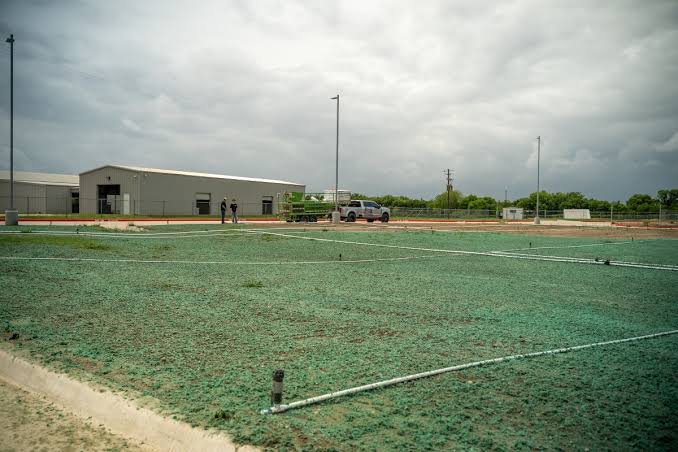
Growing a healthy lawn in North Texas takes more than choosing grass seed and waiting for rain. Hot summers, changing rainfall patterns, and differences in soil conditions can make it difficult to establish consistent grass coverage, particularly on newly developed properties. Construction and landscaping projects may also leave behind compacted soil that needs attention before planting. Hydroseeding North Texas property owners consider can provide a practical way to establish vegetation across residential lawns, commercial landscapes, and larger open areas. Understanding the local environment and preparing for the care required after application can help improve the chances of successful growth.
Understanding the Hydroseeding Process
Hydroseeding is a planting method that combines grass seed, water, mulch, and other suitable materials into a mixture sprayed over prepared ground. The mulch helps retain moisture around the seed and can reduce seed movement under appropriate conditions. For people researching Hydroseeding North Texas options, the method can be useful for covering large yards, irregularly shaped areas, roadside slopes, and ground disturbed by construction. Its suitability depends on the site’s soil, slope, drainage, and intended vegetation.
Unlike sod, hydroseeding requires time for seeds to germinate and develop roots. The surface may begin showing growth within a period of days or weeks, but timing varies according to the grass variety, temperature, moisture, and other growing conditions. A complete, established lawn takes longer to develop. Property owners should plan for this period and avoid treating the application date as the point when the area will be ready for normal use. Proper preparation and follow-up watering are essential parts of the process.
Understanding North Texas Soil and Weather
Soil conditions vary throughout North Texas. Some properties have heavy clay soil that becomes hard when dry and holds water when wet, while other areas have sandier or more loamy ground. Compacted soil can prevent water from soaking in evenly and restrict the space available for roots. Before planting, property owners should assess the soil’s structure, drainage, and condition to determine whether loosening, grading, or amendments may be needed.
Weather adds another layer of uncertainty. Summer heat and dry winds can remove moisture from exposed ground quickly, while intense rainfall may carry loose soil downhill. Hydroseeding North Texas projects should account for these conditions when selecting a suitable application period and preparing an irrigation plan. No single schedule works for every grass variety or property. Paying attention to seasonal conditions and the characteristics of the site can help property owners avoid unnecessary stress during early establishment.
Selecting Grass for the Site
The right grass variety depends on sunlight, soil, water availability, maintenance expectations, and how the property will be used. Warm-season grasses are common in North Texas because many are adapted to hot summers once established. Bermuda grass is often considered for sunny areas that receive regular foot traffic, while other varieties may be more appropriate for different growing conditions. Shaded areas require particular attention because grass that thrives in direct sunlight may struggle beneath trees or alongside buildings.
Property owners should also consider the finished lawn’s maintenance requirements. A lawn used for recreation may need a grass variety that tolerates regular activity, while an ornamental area may have different priorities. Larger properties sometimes benefit from treating different sections according to their individual conditions rather than choosing one approach for the entire site. Fox Hydroseeding is a resource property owners can research when learning about hydroseeding methods and grass establishment. The final seed selection, however, should reflect the specific needs of the property.
Preparing the Ground Before Planting
Good preparation helps provide a suitable environment for seeds to germinate and roots to develop. Begin by clearing rocks, sticks, construction debris, and unwanted vegetation from the area. If vehicles or heavy equipment have compacted the soil, loosening it where appropriate can improve water movement and root development. Uneven grades should also be corrected so that water does not collect near foundations or flow across the property in ways that cause erosion.
A soil test can help determine whether pH adjustments or nutrients are needed. Adding amendments without understanding the existing soil may create unnecessary costs or fail to address the real problem. Drainage should be evaluated before the seed mixture is applied, especially in low spots and along slopes. If rainwater regularly creates channels through the yard, correcting the source of runoff is important. Thorough preparation makes it easier to establish more consistent coverage and reduces the chance of recurring bare areas.
Watering During Germination and Early Growth
Watering is one of the most important responsibilities after hydroseeding. During germination, the soil surface generally needs to remain moist without becoming saturated. In hot or windy conditions, moisture may disappear quickly, so newly seeded areas should be checked regularly. Light watering may be needed several times throughout the day, depending on the weather and the soil’s ability to retain moisture. Applying too much water at once can cause runoff or move the seed mixture away from its intended location.
As grass emerges and develops roots, the watering routine should gradually change. Less frequent, deeper watering can encourage roots to grow farther into the soil, where moisture may remain available for longer periods. Rainfall should be considered when adjusting irrigation, and areas with uneven sprinkler coverage may need special attention. Property owners should avoid relying on a fixed schedule without checking actual conditions. The aim is to provide enough moisture for healthy development while preventing waterlogging and unnecessary waste.
Protecting the Lawn and Preventing Erosion
Newly seeded ground is vulnerable to disturbance before roots become established. Foot traffic, pets, vehicles, and landscaping equipment can damage seedlings or compact the soil. Restricting access during early growth helps protect the area until the grass can tolerate regular use. Mowing should begin only when the grass has reached a suitable height for its variety and the soil is firm enough to support equipment without creating ruts.
Erosion also deserves attention, particularly on slopes and construction sites. Grass roots help stabilize soil over time, but young seedlings cannot provide immediate protection against heavy runoff. Depending on the site, additional measures such as erosion-control blankets, temporary barriers, or drainage improvements may be necessary. After significant rainfall, inspect the ground for exposed soil, channels, and areas where material has moved. Addressing the source of erosion is usually more effective than repeatedly adding seed to damaged sections.
Maintaining Grass Through Seasonal Changes
Once the lawn becomes established, regular maintenance helps it remain healthy through changing weather. Mowing at the appropriate height, watering according to actual conditions, and applying fertilizer when needed can support steady growth. Cutting grass too short can weaken plants and expose more soil to sunlight, while excessive fertilizer may encourage rapid growth without correcting underlying problems. Maintenance should be based on the grass variety and the property’s growing conditions rather than a one-size-fits-all schedule.
Property owners should watch for thinning, discoloration, and persistent bare patches. These symptoms may be related to shade, compaction, drainage, pests, disease, or inconsistent irrigation. Identifying the cause before reseeding can prevent the same issue from returning. Seasonal inspections also provide an opportunity to adjust watering and mowing practices as temperatures change. A lawn care plan that responds to local conditions is more likely to support healthy growth over the long term.
Conclusion
Establishing grass in North Texas requires careful planning, suitable seed, well-prepared soil, and consistent attention during early growth. Hydroseeding North Texas properties can be an effective approach when the application suits the site and is supported by appropriate watering and maintenance. By accounting for local weather, soil conditions, drainage, and the needs of the selected grass, property owners can make informed decisions and create a lawn that becomes more resilient as it matures.