Low tire pressure may seem like a small problem, but it can quickly become a serious safety concern for drivers in Columbus, OH. Tires that do not have enough air can overheat, affect steering, and increase the risk of a sudden blowout. When a vehicle becomes unsafe to drive, 24/7 Emergency Roadside Towing Columbus can help drivers get assistance and move their vehicles to a safer location. Understanding the warning signs of low tire pressure can help you avoid unexpected breakdowns, protect your tires, and make better decisions when trouble occurs on the road.
Why Proper Tire Pressure Matters for Safe Driving
Tires support your vehicle’s weight and maintain contact with the road. When they have the correct air pressure, they can provide better handling, braking, and stability. Underinflated tires do not perform as intended, especially when you drive at highway speeds or carry heavy loads.
Low pressure also increases the amount of tire surface that flexes during driving. This creates extra heat and may weaken the tire over time. If the condition continues, the tire could suffer internal damage or fail without much warning.
Columbus drivers may encounter these risks during daily commutes, weekend trips, and long drives on busy roads. Checking tire pressure regularly is a simple way to reduce the chance of a breakdown. Follow the pressure recommendation listed on your vehicle’s door label rather than relying on the maximum pressure printed on the tire.
Warning Signs of Low Tire Pressure
Recognizing early warning signs can help you respond before a minor tire issue becomes a roadside emergency.
Dashboard Tire Pressure Warning
Many modern vehicles have a tire pressure monitoring system that alerts drivers when pressure drops. If the warning light appears, find a safe place to stop and check the tires when possible. A warning light should never be ignored, even if the vehicle seems to handle normally.
Changes in Steering or Handling
A vehicle may pull to one side, feel less stable, or respond differently when a tire is underinflated. You might also notice unusual vibrations or a softer feeling while steering. These changes can become dangerous at higher speeds.
Visible Tire Damage
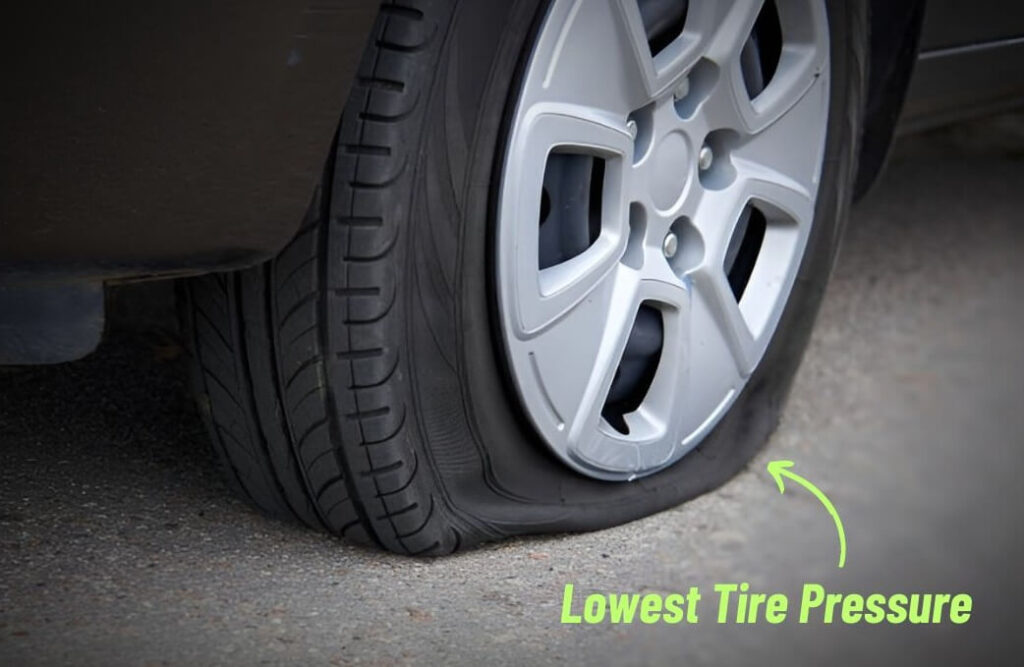
A tire that looks unusually flat, has a bulging sidewall, or shows visible damage needs immediate attention. Avoid driving on a severely underinflated tire because doing so can damage the tire further and put you at risk.
If you cannot safely continue your trip, emergency roadside towing in Columbus can help you arrange transportation for your vehicle.
How Low Tire Pressure Can Cause a Roadside Emergency
Low pressure affects more than fuel economy. It can make a vehicle harder to control, increase stopping distances in some conditions, and raise the chance of tire failure. These risks become more serious when traffic is heavy or road conditions are poor.
A tire blowout at highway speed may cause a driver to lose control. Even when a tire does not burst, continued driving with insufficient pressure can damage the sidewall and make the tire unsuitable for further use.
Drivers traveling through Columbus may experience a breakdown on Interstate 70, Interstate 71, Interstate 270, or another busy route. Stopping in a travel lane or narrow shoulder can expose everyone in the vehicle to passing traffic.
When the tire is badly damaged or the vehicle cannot be moved safely, 24/7 Emergency Towing Columbus OH can provide a practical way to get the vehicle transported. Do not risk driving farther simply to reach a repair shop if the tire condition makes the trip unsafe.
What to Do When Low Tire Pressure Leaves You Stranded
Your first priority should be protecting yourself and your passengers. If you notice a tire problem while driving, reduce speed gradually and steer toward a safe stopping area. Avoid sudden braking or sharp steering movements.
Once stopped, follow these steps:
- Turn on your hazard lights to alert approaching drivers.
- Choose a safe location away from moving traffic whenever possible.
- Check the tire only if you can do so without exposing yourself to danger.
- Avoid changing a tire beside fast moving traffic or on an unstable shoulder.
- Contact roadside assistance if the tire is flat, damaged, or unsafe to use.
If your vehicle stops on a busy highway, remain aware of traffic and follow emergency guidance. Do not stand behind or directly beside a vehicle exposed to passing traffic.
A roadside towing service can help move an unsafe vehicle to a suitable destination. When requesting assistance, explain your location, vehicle type, tire condition, and whether you are blocking traffic.
Preventing Tire Problems Around Columbus
Preventive care can reduce the risk of unexpected tire trouble. Check your tire pressure at least monthly and before long trips. Measure it when the tires are cold for a more accurate reading, and inspect the tread for uneven wear, cracks, or embedded objects.
Seasonal temperature changes also matter. Tire pressure typically decreases as temperatures fall, so drivers should check their tires more frequently during colder weather. Do not assume that a tire looks properly inflated just because it appears normal.
Keep these habits in mind:
- Check pressure before highway trips.
- Inspect all four tires and the spare when available.
- Replace worn tires before the tread becomes unsafe.
- Pay attention to warning lights and unusual vibrations.
- Keep roadside assistance information accessible.
These simple steps can help Columbus drivers reduce avoidable breakdowns and travel with greater confidence.
Frequently Asked Questions
Can low tire pressure cause a blowout?
Yes. Underinflated tires can generate excessive heat and suffer internal damage, increasing the risk of a blowout, particularly during extended highway driving.
Is it safe to drive with the tire pressure warning light on?
Not always. Check the tires as soon as it is safe. If a tire looks flat or the vehicle handles poorly, stop driving and request assistance.
When should I call for emergency towing in Columbus?
Call when a tire problem makes the vehicle unsafe to drive, the vehicle is stranded in a dangerous location, or you cannot safely change the tire.
Can cold weather cause low tire pressure?
Yes. Falling temperatures can reduce tire pressure. Check your tires regularly during colder months and inflate them according to the vehicle manufacturer’s recommendations.
What information should I provide when requesting roadside towing?
Give the dispatcher your location, vehicle make and model, tire condition, and any safety concerns. Mention nearby exits or landmarks when possible.
Conclusion
Low tire pressure deserves attention because it can affect handling, damage tires, and leave you stranded in an unsafe location. Regular pressure checks and early action can prevent many roadside problems, but some situations require immediate help. If a damaged tire leaves your vehicle unable to continue safely, remember that 24/7 Emergency Towing Columbus OH is an option for getting your vehicle to a suitable location. For help with a stranded vehicle or an unexpected tire emergency, Contact Burm’s Towing for Emergency Recovery and explain your location and situation.