Electrical systems are the backbone of modern life. From industries and commercial buildings to power stations and infrastructure projects, electricity must be transmitted safely and efficiently. One of the most important components in high-voltage electrical systems is the cable used for power transmission. Among many available options, HT XLPE Cables have become one of the most trusted and widely used solutions for high-tension electrical installations.
These cables are designed to handle high voltage levels while offering safety, durability, and long service life. This guide explains everything you need to know about HT XLPE cables in very simple language, making it easy to understand even if you are not an electrical expert.
What Are HT XLPE Cables?
HT XLPE cables are High Tension cables insulated with Cross-Linked Polyethylene (XLPE). They are specially made to carry electricity at high voltage levels, usually above 11 kV and up to 66 kV or more, depending on design.
The term “HT” means High Tension, which refers to high voltage power transmission. “XLPE” is the insulating material used in these cables. This insulation plays a key role in protecting the cable and ensuring safe power flow.
In simple words, HT XLPE cables are strong electrical cables used where large amounts of electricity must be transmitted safely over long distances or within heavy-duty electrical systems.
Why XLPE Insulation Is Used
XLPE insulation is one of the main reasons these cables are so popular. Let us understand why XLPE is preferred.
1. Better Heat Resistance
XLPE can handle higher temperatures compared to traditional insulation materials like PVC. This means the cable can carry more current without damage.
2. Strong Electrical Insulation
XLPE provides excellent insulation, reducing the risk of electrical leakage or short circuits.
3. Longer Life
Because of its strong structure, XLPE insulation does not crack easily and lasts for many years.
4. Moisture Resistance
XLPE does not absorb water easily, making it suitable for underground and outdoor installations.
5. Environment-Friendly
XLPE does not release harmful gases during normal use, making it safer for people and the environment.
Construction of HT XLPE Cables
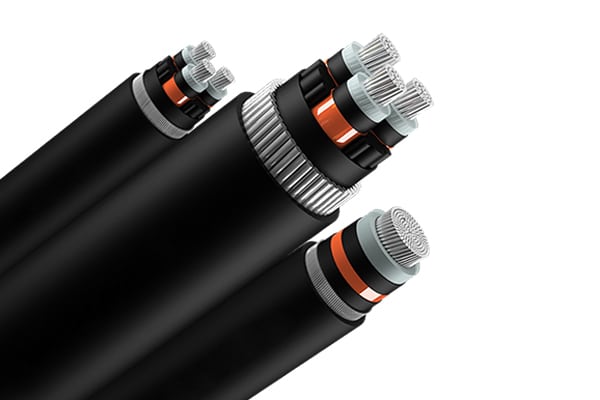
To understand how these cables work, it is important to know their basic construction. HT XLPE cables are made of multiple layers, each with a specific function.
1. Conductor
The conductor carries electrical current. It is usually made of copper or aluminum.
- Copper conductors offer better conductivity.
- Aluminum conductors are lighter and more cost-effective.
2. Conductor Screen
This layer smoothens the electric field around the conductor and reduces stress on the insulation.
3. XLPE Insulation
This is the main insulating layer. It prevents current leakage and protects the cable from electrical faults.
4. Insulation Screen
This layer provides extra safety and helps maintain uniform electrical stress.
5. Metallic Screen
Usually made of copper tape or wires, this layer provides earthing and protects against electrical faults.
6. Outer Sheath
The outer layer protects the cable from mechanical damage, moisture, chemicals, and sunlight.
Each layer works together to ensure safe and reliable power transmission.
Voltage Ratings of HT XLPE Cables
HT XLPE cables are available in different voltage ratings to suit various applications. Some common voltage levels include:
- 11 kV
- 22 kV
- 33 kV
- 66 kV
The choice of voltage rating depends on the power requirement and the type of electrical installation.
Applications of HT XLPE Cables
HT XLPE cables are used in many sectors because of their reliability and performance.
1. Power Generation Plants
These cables transmit power from generators to substations safely.
2. Electrical Substations
They are used to connect transformers, switchgear, and other equipment.
3. Industrial Units
Factories and heavy industries use HT XLPE cables to handle high power loads.
4. Commercial Buildings
Large buildings like malls, hospitals, and IT parks use these cables for main power supply.
5. Underground Power Distribution
Due to their moisture resistance, they are ideal for underground installations.
6. Renewable Energy Projects
Solar and wind power plants use these cables for transmitting generated power.
Advantages of HT XLPE Cables
There are many reasons why HT XLPE cables are preferred over other types of high-tension cables.
1. High Current Carrying Capacity
They can carry more current without overheating.
2. Low Power Loss
Better insulation reduces energy loss during transmission.
3. Compact Size
They are smaller in size compared to older cable types, saving space.
4. Easy Installation
They are flexible and easier to install, especially underground.
5. High Safety
Strong insulation reduces the risk of electrical accidents.
6. Low Maintenance
Once installed properly, they require very little maintenance.
Comparison with Other Types of Cables
Understanding how HT XLPE cables compare with other cables helps in making the right choice.
HT XLPE vs PVC Cables
- XLPE can handle higher temperatures.
- XLPE has a longer lifespan.
- PVC cables are suitable only for lower voltage applications.
HT XLPE vs Paper Insulated Cables
- XLPE cables are lighter.
- They are easier to install.
- They require less maintenance.
Overall, HT XLPE cables offer better performance and reliability.
Installation Guidelines for HT XLPE Cables
Proper installation is very important to get the best performance from HT XLPE cables.
1. Route Planning
Plan the cable route carefully to avoid sharp bends and obstacles.
2. Proper Jointing
Cable joints must be done using approved accessories and trained professionals.
3. Correct Earthing
Proper earthing ensures safety and protects equipment.
4. Avoid Overloading
Using cables beyond their rated capacity can reduce their life.
5. Testing Before Use
Always test insulation resistance and continuity before energizing the cable.
Safety Precautions During Installation
Working with high-tension cables requires strict safety measures.
- Always disconnect power before installation.
- Use protective equipment like gloves and helmets.
- Follow standard electrical safety rules.
- Allow only trained technicians to handle HT cables.
These precautions help prevent accidents and damage.
Maintenance and Inspection
Although HT XLPE cables need low maintenance, periodic checks are still important.
Visual Inspection
Check for any physical damage to the outer sheath.
Insulation Testing
Regular insulation resistance testing ensures safe operation.
Joint and Termination Check
Inspect joints and terminations for signs of overheating or wear.
Routine maintenance increases the life and reliability of the cable.
Standards and Quality Compliance
HT XLPE cables are manufactured according to national and international standards to ensure safety and performance. Common standards include:
- IS standards
- IEC standards
Using cables that meet these standards ensures reliable and safe electrical installations.
Choosing the Right HT XLPE Cable
Selecting the correct cable depends on several factors:
- Voltage requirement
- Current load
- Installation method (underground or overhead)
- Environmental conditions
Consulting experts and following technical guidelines helps in choosing the right cable for your project.
Environmental Benefits of HT XLPE Cables
HT XLPE cables are also known for their environmental advantages.
- Lower energy loss reduces carbon footprint
- Long life reduces waste
- Safer materials compared to older insulation types
This makes them suitable for modern, eco-friendly electrical systems.
Future of HT XLPE Cables
As power demand continues to grow, the use of HT XLPE cables is expected to increase. They support smart grids, renewable energy integration, and efficient power transmission. Their reliability and performance make them a key component in future electrical infrastructure.
Conclusion
HT XLPE Cables play a vital role in modern electrical installations. Their strong insulation, high safety standards, long life, and excellent performance make them an ideal choice for high-voltage power transmission. From industries and substations to renewable energy projects, these cables ensure reliable and efficient electricity flow.
When choosing quality HT XLPE cables for your electrical needs, trusted manufacturers like Prabha Power focus on delivering reliable products that meet industry standards and support safe, long-lasting electrical systems.