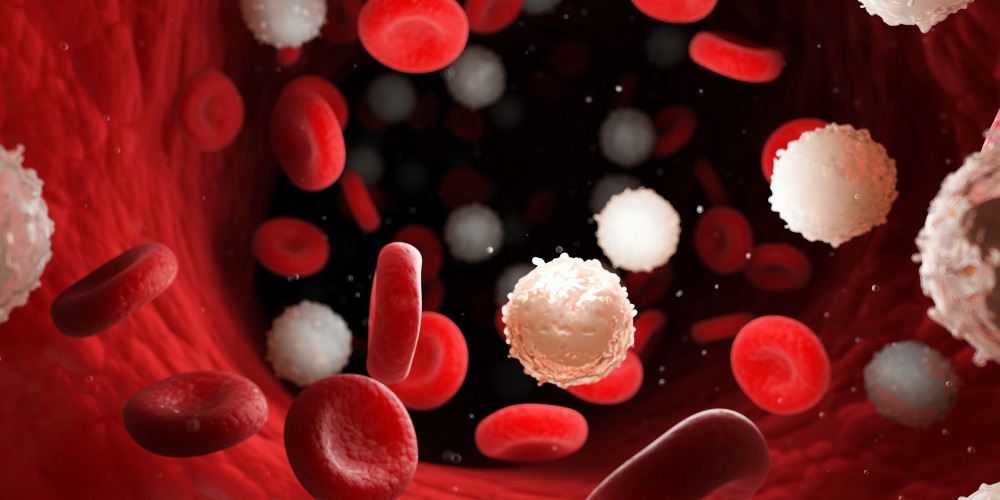
Anemia is a common blood-related condition in which the body does not have enough healthy red blood cells or hemoglobin to carry oxygen effectively throughout the body. It is not a single disease with one standard treatment. Instead, anemia can develop for many different reasons, including nutritional deficiencies, blood loss, chronic medical conditions, inherited disorders, or problems affecting the production of red blood cells.
This is why understanding the underlying cause is an important part of effective anemia management. For people searching for Anemia Dubai, a medical assessment can help identify why anemia has developed and determine which treatment approach may be appropriate.
Dr. Barbara can evaluate symptoms, review medical history, assess laboratory results, and recommend further investigations when necessary. A personalized approach helps ensure that treatment addresses the cause rather than simply focusing on the blood count.
What Is Anemia?
Anemia occurs when the blood has a reduced ability to carry oxygen to tissues. Hemoglobin, a protein found inside red blood cells, plays a central role in transporting oxygen.
When hemoglobin levels are lower than expected, a person may experience symptoms such as tiredness, reduced energy, dizziness, headaches, or difficulty maintaining normal physical activity.
The symptoms and severity of anemia vary depending on the cause, how quickly it develops, and the individual’s overall health.
Why Finding the Cause of Anemia Matters
Treating anemia successfully requires more than identifying a low hemoglobin level. The underlying cause needs to be considered.
For example, iron deficiency anemia may respond to appropriate iron replacement, while anemia associated with vitamin B12 deficiency requires a different nutritional approach. Anemia caused by ongoing blood loss may require investigation and management of the source of bleeding.
Similarly, anemia related to chronic medical conditions may require treatment focused on the underlying condition.
This is why self-treating anemia without understanding its cause may not provide the appropriate solution.
Common Causes of Anemia
There are several broad categories of anemia.
One common cause is nutritional deficiency, particularly insufficient iron, vitamin B12, or folate.
Blood loss can also reduce red blood cell levels. This may occur through heavy menstrual bleeding, gastrointestinal blood loss, surgery, injury, or other causes.
Some chronic medical conditions can affect red blood cell production.
Inherited conditions, including certain forms of thalassemia and other blood disorders, can also cause anemia.
In some cases, anemia may occur because the bone marrow is not producing sufficient blood cells or because red blood cells are being destroyed more quickly than they can be replaced.
The correct diagnosis determines the appropriate treatment.
Iron Deficiency Anemia
Iron deficiency is one of the most common causes of anemia.
Iron is required for the production of hemoglobin. When the body does not have enough iron, hemoglobin production can decrease.
Iron deficiency may develop because of insufficient dietary iron, increased nutritional requirements, problems absorbing iron, or blood loss.
Treatment often involves improving dietary iron intake and using iron supplements when recommended by a healthcare professional.
However, simply taking iron does not address why the deficiency occurred. A clinician may need to investigate factors such as dietary intake, menstrual blood loss, gastrointestinal issues, or other potential causes.
Vitamin B12 Deficiency Anemia
Vitamin B12 is essential for normal red blood cell production and nervous system function.
A deficiency can occur because of insufficient dietary intake, reduced absorption, certain gastrointestinal conditions, or other medical factors.
Treatment depends on the reason for the deficiency. Some people may benefit from oral vitamin B12 supplementation, while others may require injections depending on their absorption and clinical circumstances.
Laboratory testing can help establish whether vitamin B12 levels are contributing to the anemia.
Folate Deficiency Anemia
Folate, also known as vitamin B9, is important for the production of healthy red blood cells.
Folate deficiency can develop because of inadequate dietary intake, increased nutritional requirements, certain medications, or absorption problems.
Treatment generally focuses on addressing the deficiency through dietary changes and appropriate supplementation.
Before starting folate supplementation, healthcare professionals may assess vitamin B12 status because the two deficiencies can produce similar blood abnormalities.
Anemia Caused by Blood Loss
Blood loss is another important cause of anemia.
For women, heavy menstrual bleeding can contribute to iron deficiency and eventually anemia. Gastrointestinal blood loss can also reduce iron stores over time.
The appropriate management depends on identifying and addressing the source of blood loss.
If blood loss is suspected, a healthcare professional may recommend additional investigations based on the person’s symptoms, medical history, age, and other factors.
Simply replacing iron may improve laboratory values temporarily, but identifying the reason for ongoing blood loss remains an important part of management.
Anemia Associated With Chronic Conditions
Some chronic medical conditions can interfere with the body’s ability to produce red blood cells.
In these situations, anemia may be linked to inflammation, changes in iron metabolism, reduced production of erythropoietin, or other biological processes.
Treatment is generally directed toward the underlying condition while the anemia is monitored.
A healthcare professional may perform additional blood tests to understand the pattern of anemia and determine the most appropriate management strategy.
Inherited Forms of Anemia
Some types of anemia are inherited.
Thalassemia is one example of an inherited blood disorder that can affect hemoglobin production. The severity and treatment needs vary depending on the specific type.
Inherited anemia should be carefully distinguished from iron deficiency because the two conditions can sometimes produce similar laboratory findings.
Genetic or specialized blood testing may be considered when an inherited blood disorder is suspected.
How Anemia Is Diagnosed
The diagnosis of anemia commonly begins with a complete blood count, often referred to as a CBC.
This test provides information about hemoglobin, red blood cell count, hematocrit, and other blood cell measurements.
The size and characteristics of red blood cells can also provide clues about the underlying cause.
Depending on the results, additional tests may include iron studies, ferritin, vitamin B12, folate, kidney function tests, thyroid-related testing, or other investigations.
The choice of tests depends on the individual’s symptoms, medical history, and initial laboratory results.
Understanding Ferritin and Iron Studies
Ferritin is a laboratory marker that provides information about the body’s stored iron.
Iron studies may include several measurements, such as serum iron and transferrin saturation, alongside ferritin.
These tests can help healthcare professionals distinguish iron deficiency from other forms of anemia.
Interpreting ferritin requires consideration of the overall clinical picture because ferritin can be influenced by inflammation and other conditions.
The Role of Diet in Anemia Management
Nutrition can play an important role in preventing and managing certain types of anemia.
Iron-rich foods include lean meats, seafood, beans, lentils, leafy green vegetables, and fortified foods.
Vitamin C can support iron absorption from plant-based sources, so combining iron-containing foods with sources of vitamin C may be helpful.
Vitamin B12 is found naturally in animal-based foods and is also available through fortified foods. Folate can be obtained from leafy green vegetables, legumes, citrus fruits, and fortified grains.
Dietary recommendations should be individualized, particularly when anemia is caused by something other than nutritional deficiency.
Iron Supplements and Medical Guidance
Iron supplements can be useful when iron deficiency has been confirmed or strongly suspected by a healthcare professional.
The appropriate dose and duration depend on the severity of the deficiency, laboratory results, age, medical history, and tolerance.
Not every type of anemia benefits from iron supplementation. Taking iron when iron deficiency is not present may not address the underlying cause.
For this reason, it is advisable to discuss supplementation with a qualified healthcare professional.
Monitoring Treatment Progress
Follow-up blood tests may be used to determine whether treatment is improving hemoglobin levels and restoring nutrient stores.
The timing of repeat testing depends on the cause and severity of anemia and the treatment being used.
Monitoring can also help determine whether the original diagnosis was correct or whether additional evaluation is needed if blood counts do not improve as expected.
Anemia Assessment in Dubai
For individuals searching for Anemia Dubai, an appropriate medical assessment can help determine whether anemia is present and identify the most likely underlying cause.
Dr. Barbara can review symptoms, medical history, dietary patterns, menstrual history when relevant, medications, family history, and previous laboratory results.
Depending on the findings, additional tests may be recommended to distinguish iron deficiency, vitamin deficiencies, chronic-condition-related anemia, inherited disorders, or other causes.
Preparing for an Anemia Consultation
Before an appointment, patients may find it helpful to bring previous blood test results and a list of current medications and supplements.
It can also be useful to make a note of symptoms such as fatigue, dizziness, headaches, changes in exercise tolerance, or other changes in general wellbeing.
Women experiencing heavy or prolonged menstrual bleeding should mention this to their healthcare professional because it can be relevant when investigating iron deficiency.
Providing information about diet, previous anemia, family history, and gastrointestinal symptoms can also help guide the assessment.
Why Follow-Up Is Important
Anemia management does not necessarily end when hemoglobin improves.
If anemia was caused by a nutritional deficiency, the healthcare professional may need to determine whether nutrient stores have been adequately restored.
If blood loss or an underlying medical condition caused the anemia, continuing to address that cause is important.
Follow-up appointments and laboratory testing can help confirm that treatment is producing the expected results and that the underlying issue is being appropriately managed.
Conclusion
Anemia can develop for many different reasons, and treatment should be based on the underlying cause. Iron deficiency, vitamin B12 deficiency, folate deficiency, blood loss, chronic medical conditions, and inherited blood disorders can all require different approaches.
For people searching for Anemia Dubai, a professional assessment is an important starting point. Dr. Barbara can evaluate symptoms, review medical history, interpret blood tests, and recommend appropriate investigations to identify the cause of anemia.
Rather than treating a low hemoglobin level in isolation, understanding why anemia has developed allows healthcare professionals to create a more targeted and individualized management plan. Regular follow-up can then help monitor progress and determine whether further treatment or evaluation is needed.
FAQs
What is anemia?
Anemia is a condition in which the blood has reduced oxygen-carrying capacity, commonly because hemoglobin or healthy red blood cells are below the expected level.
What are common symptoms of anemia?
Common symptoms can include tiredness, low energy, dizziness, headaches, weakness, and reduced tolerance for physical activity. Symptoms vary according to the cause and degree of anemia.
What causes anemia?
Anemia can result from iron deficiency, vitamin B12 or folate deficiency, blood loss, chronic medical conditions, inherited blood disorders, reduced blood cell production, or increased destruction of red blood cells.
Is iron deficiency the only cause of anemia?
No. Iron deficiency is common, but anemia has many possible causes. Vitamin deficiencies, chronic conditions, inherited disorders, and blood loss can also contribute.
How is anemia diagnosed?
A complete blood count is commonly used to identify anemia. Additional tests, such as ferritin, iron studies, vitamin B12, folate, kidney function, or other investigations, may be recommended to determine the cause.
Can diet help with anemia?
Diet can help when anemia is related to nutritional deficiencies. Iron-rich foods, vitamin B12 sources, folate-rich foods, and vitamin C-containing foods may form part of a balanced dietary approach.
Should everyone with anemia take iron supplements?
No. Iron supplements are generally appropriate when iron deficiency has been identified or is considered likely by a healthcare professional. Other types of anemia require different approaches.
Can heavy menstrual bleeding cause anemia?
Yes. Heavy or prolonged menstrual bleeding can contribute to iron loss and may eventually result in iron deficiency anemia. This information is important to share during a medical assessment.
How long does anemia treatment take?
The duration depends on the underlying cause, severity of anemia, treatment approach, and individual response. Follow-up blood tests may be used to monitor progress.
Can anemia return after treatment?
It can return if the underlying cause continues or develops again. Identifying and managing the cause is therefore an important part of long-term anemia care.
What should I bring to an anemia appointment?
Previous blood test results, a list of medications and supplements, relevant medical records, information about dietary habits, and details about symptoms can all help the healthcare professional during the assessment.
Where can I seek anemia assessment in Dubai?
If you are searching for Anemia Dubai, you can arrange an appointment with a qualified healthcare professional. Dr. Barbara can review your symptoms and laboratory results and help determine the appropriate investigations and treatment based on the underlying cause.