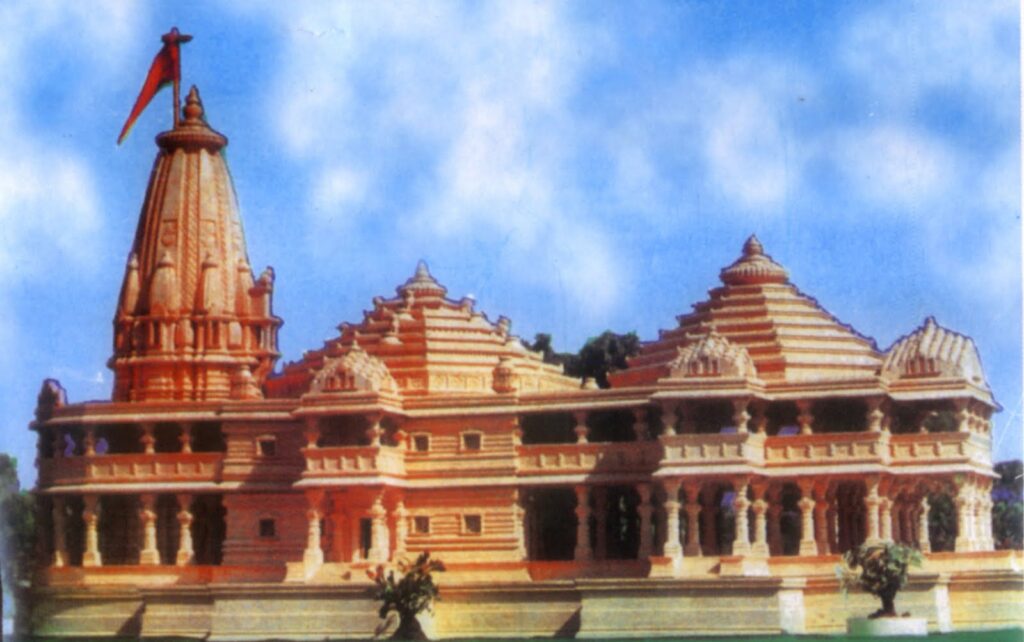
Ayodhya, located in Uttar Pradesh, is one of the most revered cities in India. Known as the birthplace of Lord Ram, it holds immense spiritual, cultural, and historical significance. Ayodhya Tourist Places attract millions of pilgrims and travelers every year, offering a blend of temples, ghats, heritage sites, and vibrant festivals.
In this guide, we’ll explore the most popular tourist places in Ayodhya, their significance, sample itineraries, and practical tips to help you plan a memorable journey.
Why Visit Ayodhya?
- Spiritual Significance: Birthplace of Lord Ram, central to Hindu mythology.
- Cultural Heritage: Temples, ghats, and palaces reflecting centuries of devotion.
- Festivals: Ayodhya Deepotsav, Ram Navami, and Diwali celebrations.
- Tourism Appeal: A mix of religious tourism, heritage exploration, and cultural immersion.
Popular Ayodhya Tourist Places
1. Ram Janmabhoomi Temple
- Significance: Believed to be the birthplace of Lord Ram.
- Highlights: The newly constructed Ram Mandir, grand architecture, and spiritual atmosphere.
- Experience: Witness daily aarti, explore temple premises, and feel the devotion of pilgrims.
2. Hanuman Garhi
- Significance: A fortress-like temple dedicated to Lord Hanuman.
- Highlights: 76 steps leading to the shrine, panoramic views of Ayodhya.
- Experience: Devotees believe visiting Hanuman Garhi is essential before Ram Janmabhoomi darshan.
3. Kanak Bhawan
- Significance: A temple gifted to Sita by Queen Kaikeyi after her marriage to Lord Ram.
- Highlights: Beautiful idols of Ram and Sita adorned with gold ornaments.
- Experience: Known as the “House of Gold,” it’s one of Ayodhya’s most visited temples.
4. Dashrath Bhavan
- Significance: Believed to be the palace of King Dashrath, father of Lord Ram.
- Highlights: Vibrant murals, devotional songs, and daily rituals.
- Experience: A cultural hub where Ramayana stories are retold.
5. Nageshwarnath Temple
- Significance: Built by Kush, son of Lord Ram.
- Highlights: Dedicated to Lord Shiva, located near Ram Ki Paidi.
- Experience: Important during Shivratri celebrations.
6. Ram Ki Paidi
- Significance: A series of ghats along the Sarayu River.
- Highlights: Evening aarti, holy dips, and festive celebrations.
- Experience: A spiritual and scenic spot, especially during Deepotsav.
7. Sita Ki Rasoi
- Significance: Believed to be the kitchen of Goddess Sita.
- Highlights: Ancient relics and symbolic utensils.
- Experience: Offers a glimpse into Ramayana traditions.
8. Gulab Bari
- Significance: A Mughal-style garden and tomb of Nawab Shuja-ud-Daula.
- Highlights: Rose gardens, fountains, and Indo-Islamic architecture.
- Experience: A peaceful retreat showcasing Ayodhya’s diverse heritage.
9. Raj Dwar Mandir
- Significance: One of the oldest temples in Ayodhya.
- Highlights: Intricate carvings and spiritual ambiance.
- Experience: A must-visit for devotees seeking blessings.
Festivals and Events in Ayodhya
- Ayodhya Deepotsav: Millions of lamps lit along the Sarayu River, creating a magical spectacle.
- Ram Navami: Celebrates the birth of Lord Ram with grand processions and rituals.
- Diwali: Ayodhya is believed to be where Lord Ram returned after defeating Ravana, making Diwali celebrations here legendary.
Sample Ayodhya Tour Itineraries
2 Nights / 3 Days – Quick Pilgrimage
- Day 1: Ram Janmabhoomi Temple & Hanuman Garhi
- Day 2: Kanak Bhawan, Dashrath Bhavan, Ram Ki Paidi
- Day 3: Nageshwarnath Temple & departure
4 Nights / 5 Days – Cultural & Spiritual Tour
- Day 1: Ram Janmabhoomi Temple visit
- Day 2: Hanuman Garhi & Kanak Bhawan
- Day 3: Dashrath Bhavan & Sita Ki Rasoi
- Day 4: Gulab Bari & Raj Dwar Mandir
- Day 5: Ram Ki Paidi aarti & departure
Best Time to Visit Ayodhya
- October to March: Pleasant weather, ideal for sightseeing.
- Festival Season: Deepotsav (October–November) and Ram Navami (March–April) for cultural immersion.
Practical Travel Tips
- Book Early: Especially during festivals, hotels fill up quickly.
- Dress Modestly: Temples and ghats require respectful attire.
- Stay Hydrated: Carry water during temple visits.
- Local Transport: Auto-rickshaws and cycle rickshaws are common.
- Guided Tours: Opt for local guides to understand historical context.
Why Opt for Ayodhya Tour Packages?
- Convenience: Covers accommodation, transport, and guided tours.
- Cost-Effective: Group deals and discounts available.
- Local Expertise: Guides explain mythology and history.
- Safety: Organized tours ensure secure travel.
Conclusion
Ayodhya is more than a city—it’s a living epic of devotion, history, and culture. Whether you’re meditating at Ram Janmabhoomi, exploring Dashrath Bhavan, or witnessing the grandeur of Deepotsav, the experience is unforgettable. Ayodhya Tourist Places offer a chance to connect with spirituality, heritage, and India’s timeless traditions.
So, if you’re planning your next holiday, let Ayodhya be your destination. With the right itinerary, you’ll discover why this sacred city is truly the heart of India’s spiritual landscape.