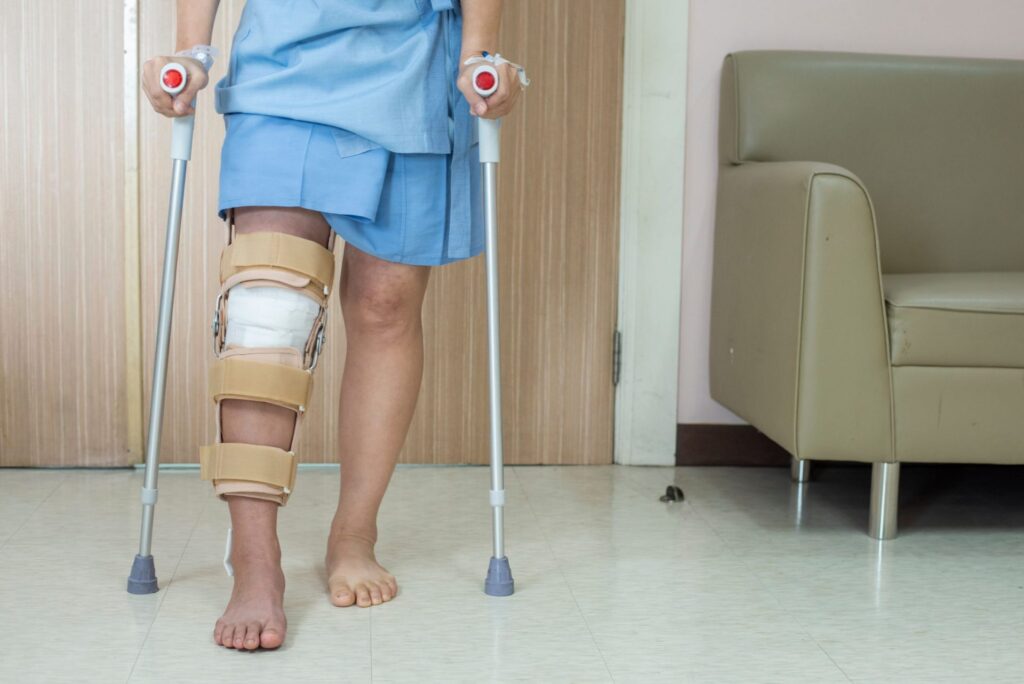
An Anterior Cruciate Ligament (ACL) injury can significantly affect mobility, athletic performance, and everyday activities. Whether it occurs during sports, exercise, or an unexpected movement, an ACL injury often requires a structured rehabilitation plan to restore strength, stability, and confidence in movement. Fortunately, modern physiotherapy offers evidence-based treatment approaches that help individuals return to their active lifestyles through personalized rehabilitation.
If you are searching for professional Acl Injury Treatment Dubai, understanding the nature of ACL injuries, available treatment options, and the rehabilitation process can help you make informed decisions about your recovery.
Vitruvian Italian Physiotherapy Center is recognized for its patient-centered approach to physiotherapy, combining comprehensive assessments, advanced rehabilitation techniques, and individualized treatment plans to support every stage of ACL recovery.
Understanding the ACL and Its Role
The Anterior Cruciate Ligament (ACL) is one of the primary ligaments in the knee joint. It connects the thigh bone (femur) to the shin bone (tibia) and plays a vital role in maintaining knee stability during movement.
The ACL helps control:
- Forward movement of the tibia
- Rotational stability of the knee
- Balance during cutting and pivoting movements
- Landing after jumping
- Sudden changes in direction
- Overall knee function during physical activities
Because the ACL is essential for stability, injuries to this ligament can affect both athletic performance and everyday mobility.
Common Causes of ACL Injuries
ACL injuries can occur during various activities that place sudden stress on the knee joint.
Some common causes include:
Sports Activities
Many ACL injuries occur during sports that involve:
- Football
- Basketball
- Tennis
- Volleyball
- Rugby
- Skiing
- Cricket
- Athletics
Rapid changes in direction, jumping, and landing can place considerable demands on the knee.
Sudden Twisting Movements
Quick pivoting or rotating while the foot remains planted may place excessive force on the ACL.
Landing Mechanics
Landing awkwardly after a jump can increase stress on the knee joint.
Direct Contact
Some ACL injuries result from direct impact to the knee during sporting activities or accidental collisions.
Everyday Activities
Although more common in athletes, ACL injuries can also occur during routine activities involving slips, falls, or sudden movements.
Signs and Symptoms of an ACL Injury
The symptoms of an ACL injury vary depending on its severity and the individual’s activity level.
Common symptoms may include:
- Knee discomfort
- Swelling around the knee
- Reduced range of motion
- Difficulty bearing weight
- Feeling of knee instability
- Reduced confidence while walking
- Difficulty changing direction
- Limited participation in physical activities
A comprehensive evaluation by an experienced physiotherapist helps determine the extent of movement limitations and guides the rehabilitation process.
Why Early Physiotherapy Matters
Early physiotherapy plays an important role in supporting recovery after an ACL injury. Beginning rehabilitation promptly allows physiotherapists to address movement limitations, improve joint mobility, and develop a structured recovery plan.
The benefits of early physiotherapy include:
- Improved knee mobility
- Better muscle activation
- Enhanced balance and coordination
- Progressive strengthening
- Functional movement restoration
- Individualized recovery planning
For those seeking Acl Injury Treatment Dubai, an early assessment helps establish a personalized rehabilitation strategy tailored to the patient’s goals.
Comprehensive Initial Assessment
Every successful rehabilitation program begins with a detailed assessment.
At Vitruvian Italian Physiotherapy Center, physiotherapists perform a thorough evaluation that may include:
- Medical history review
- Injury discussion
- Knee mobility assessment
- Muscle strength evaluation
- Balance testing
- Walking assessment
- Functional movement analysis
- Activity and lifestyle review
This detailed assessment provides valuable insights that help create an individualized rehabilitation plan.
Personalized ACL Rehabilitation Programs
Every ACL injury is unique. Factors such as age, fitness level, occupation, previous injuries, and recovery goals influence the rehabilitation process.
Personalized treatment plans may include:
- Manual therapy
- Therapeutic exercises
- Strength training
- Balance exercises
- Functional movement retraining
- Walking progression
- Sports-specific rehabilitation
- Home exercise programs
Each stage of rehabilitation is carefully adjusted based on the patient’s progress and functional goals.
Manual Therapy Techniques
Manual therapy is commonly incorporated into ACL rehabilitation to improve movement quality and joint mobility.
Techniques may include:
- Joint mobilization
- Soft tissue therapy
- Muscle release techniques
- Assisted stretching
- Mobility restoration
Manual therapy is typically combined with active rehabilitation exercises to support overall knee function.
Strength Training for Knee Stability
Restoring muscle strength is one of the primary goals of ACL rehabilitation.
Therapeutic strengthening programs often target:
- Quadriceps
- Hamstrings
- Gluteal muscles
- Calf muscles
- Hip stabilizers
- Core muscles
Improving overall lower-body strength supports knee stability during everyday activities and athletic performance.
Balance and Coordination Training
An ACL injury can affect balance and body awareness.
Physiotherapists often include exercises that improve:
- Single-leg stability
- Dynamic balance
- Coordination
- Joint control
- Functional movement patterns
These exercises help patients regain confidence while walking, climbing stairs, and participating in recreational activities.
Sports Rehabilitation for Active Individuals
Athletes require rehabilitation programs that address the physical demands of their specific sport.
Sports rehabilitation may include:
- Agility drills
- Jump training
- Landing mechanics
- Direction-change exercises
- Running progression
- Sport-specific movement patterns
- Functional conditioning
Each program is customized according to the individual’s sport, performance goals, and stage of recovery.
Rehabilitation Following ACL Surgery
Some individuals undergo ACL reconstruction surgery, followed by structured physiotherapy to restore knee function.
Post-surgical rehabilitation generally progresses through several stages.
Early Rehabilitation
The focus is on restoring gentle movement, improving mobility, and encouraging appropriate muscle activation.
Strength Development
As healing progresses, strengthening exercises are gradually introduced to improve stability and support functional movement.
Advanced Functional Training
Patients work on balance, coordination, agility, and endurance while preparing for higher levels of physical activity.
Return to Physical Activity
Sport-specific and functional exercises help individuals safely transition back to recreational activities and athletic participation.
Recovery timelines vary according to the individual and the specific rehabilitation program.
The Importance of Functional Movement Training
Successful ACL rehabilitation extends beyond strengthening exercises.
Functional movement training focuses on activities that patients perform in everyday life, including:
- Walking
- Climbing stairs
- Sitting and standing
- Squatting
- Lunging
- Running
- Jumping
- Pivoting
Improving movement quality helps restore confidence during both daily activities and sports participation.
Patient Education Throughout Rehabilitation
Education is an essential part of personalized physiotherapy.
Patients learn about:
- Knee anatomy
- Recovery expectations
- Home exercise routines
- Proper exercise techniques
- Movement mechanics
- Activity progression
- Long-term knee health
This collaborative approach encourages active participation throughout rehabilitation.
Technology Supporting ACL Rehabilitation
Modern physiotherapy clinics often integrate advanced technology into rehabilitation programs.
These tools may assist with:
- Movement analysis
- Functional assessments
- Exercise monitoring
- Rehabilitation progress tracking
- Balance evaluation
Technology complements clinical expertise by helping physiotherapists monitor improvements and adjust treatment plans accordingly.
Lifestyle Habits That Support Recovery
Healthy lifestyle habits contribute to successful rehabilitation and long-term knee function.
Helpful practices include:
- Following prescribed exercise programs
- Staying physically active within recommended limits
- Maintaining good movement habits
- Performing regular flexibility exercises
- Gradually increasing activity levels
- Attending scheduled physiotherapy sessions
Consistency plays an important role throughout the recovery journey.
Why Personalized Physiotherapy Makes a Difference
No two ACL injuries are identical.
Personalized rehabilitation offers several important benefits:
- Individual treatment planning
- Progressive exercise programs
- Ongoing assessment
- Functional goal setting
- Continuous progress monitoring
- Customized activity progression
- Long-term mobility support
These individualized strategies help patients achieve meaningful improvements in movement and overall knee function.
Why Choose Vitruvian Italian Physiotherapy Center
Vitruvian Italian Physiotherapy Center is known for delivering evidence-based physiotherapy through individualized rehabilitation programs designed around each patient’s unique needs.
Patients benefit from:
- Comprehensive physical assessments
- Experienced physiotherapists
- Personalized rehabilitation plans
- Advanced physiotherapy techniques
- Functional movement restoration
- Sports rehabilitation expertise
- Continuous progress monitoring
- Patient-centered care
Rather than using standardized treatment protocols, the clinic develops customized programs that reflect each patient’s condition, activity level, and recovery objectives.
Supporting Long-Term Knee Health
Maintaining healthy knee function extends beyond completing rehabilitation.
Long-term strategies include:
- Continuing strengthening exercises
- Maintaining flexibility
- Improving movement mechanics
- Practicing sport-specific conditioning
- Staying physically active
- Following professional physiotherapy guidance
These habits help support ongoing mobility and an active lifestyle.
What to Expect During Recovery
Every patient’s recovery journey is unique.
Factors that influence rehabilitation include:
- The severity of the injury
- Overall physical condition
- Activity level
- Commitment to rehabilitation
- Individual recovery goals
Regular physiotherapy sessions combined with personalized home exercise programs provide a structured approach that supports gradual improvement and long-term knee function.
Conclusion
An ACL injury can temporarily affect mobility, sports participation, and daily activities, but personalized physiotherapy provides a structured pathway toward improved strength, stability, and functional movement. Through comprehensive assessments, individualized rehabilitation plans, and progressive exercise programs, patients can work toward restoring knee function while returning to the activities they enjoy.
Vitruvian Italian Physiotherapy Center combines clinical expertise, advanced rehabilitation techniques, and patient-centered care to support individuals throughout every stage of recovery. Whether rehabilitation follows a sports-related injury, an everyday movement, or ACL reconstruction surgery, the clinic develops customized treatment plans that reflect each patient’s goals and lifestyle.
If you are looking for professional Acl Injury Treatment Dubai, choosing an experienced physiotherapy center that emphasizes personalized care, evidence-based rehabilitation, and continuous progress monitoring can make a meaningful difference in achieving long-term mobility and supporting an active lifestyle.