Best Lebanese Food In Lebanon
Lebanese cuisine is more than a collection of delicious dishes; it reflects the country’s history, family traditions, regional diversity, and welcoming hospitality. Exploring the Best Lebanese Food In Lebanon allows visitors to discover how traditional recipes preserve cultural identity through fresh ingredients, time-honoured cooking techniques, and meals designed for sharing.
From creamy hummus and refreshing tabbouleh to handmade kibbeh and charcoal-grilled kafta, Lebanese food brings together distinctive flavours and generations of culinary knowledge. Each dish tells a story about the ingredients people grow, the traditions families maintain, and the importance of gathering around a shared table.
How the Best Lebanese Food In Lebanon Preserves Cultural Heritage
The Best Lebanese Food In Lebanon reflects culinary traditions passed down through generations. Many families continue preparing familiar dishes using recipes learned from parents and grandparents, preserving traditional flavours while adapting to modern lifestyles.
Olive oil, chickpeas, parsley, mint, garlic, lemon juice, grains, and seasonal vegetables form the foundation of many Lebanese recipes. These ingredients demonstrate how traditional cooking can transform simple, fresh produce into memorable meals.
Restaurants also contribute to preserving culinary heritage by serving established recipes and introducing younger generations and international visitors to traditional Lebanese food. Through everyday meals and special occasions, these dishes remain an important part of the country’s cultural identity.
Mezze: How Shared Meals Reflect Lebanese Hospitality
Mezze is one of the most distinctive traditions associated with Lebanese food culture. Instead of beginning with a single appetiser, diners often share a selection of small dishes that bring different flavours and textures to the table.
Traditional mezze may include hummus, mutabbal, tabbouleh, fattoush, labneh, falafel, and stuffed grape leaves. Fresh pita bread, olives, and pickles frequently accompany these dishes.
The tradition of sharing mezze reflects Lebanese hospitality and the importance of spending time with family and friends. It allows everyone to enjoy different foods together and encourages conversation throughout the meal.
For visitors discovering the Best Lebanese Food In Lebanon, mezze offers an introduction to both traditional flavours and the social customs surrounding Lebanese dining.
Hummus and Tabbouleh: Traditional Recipes Built on Fresh Ingredients
Hummus and tabbouleh demonstrate how Lebanese cuisine celebrates fresh ingredients and balanced flavours.
Hummus is prepared with chickpeas, tahini, lemon juice, garlic, and olive oil. Its creamy texture and mild, nutty flavour make it a popular accompaniment to bread, vegetables, and grilled dishes.
Tabbouleh is a refreshing salad made primarily with finely chopped parsley, tomatoes, mint, bulgur wheat, lemon juice, and olive oil. Parsley provides its characteristic herbal flavour, while lemon juice adds freshness.
These dishes reflect a traditional approach to cooking in which ingredients retain their natural character. Their continued popularity shows how simple recipes can remain central to the Best Lebanese Food In Lebanon across generations.
Kibbeh: A Dish That Connects Generations
Kibbeh is a traditional Lebanese speciality commonly made with bulgur wheat, minced meat, onions, and spices. Its preparation requires attention to texture, seasoning, and technique, making it a meaningful example of inherited cooking knowledge.
Fried kibbeh has a crisp exterior and savoury filling, while baked kibbeh is prepared in layers and cut into portions. Different regions and families may use their own variations.
Kibbeh frequently appears at family gatherings and special meals, where traditional preparation methods help preserve culinary heritage. Its enduring popularity demonstrates how food can connect younger generations with the cooking traditions of their ancestors.
Manakish: How Everyday Food Becomes a Cultural Tradition
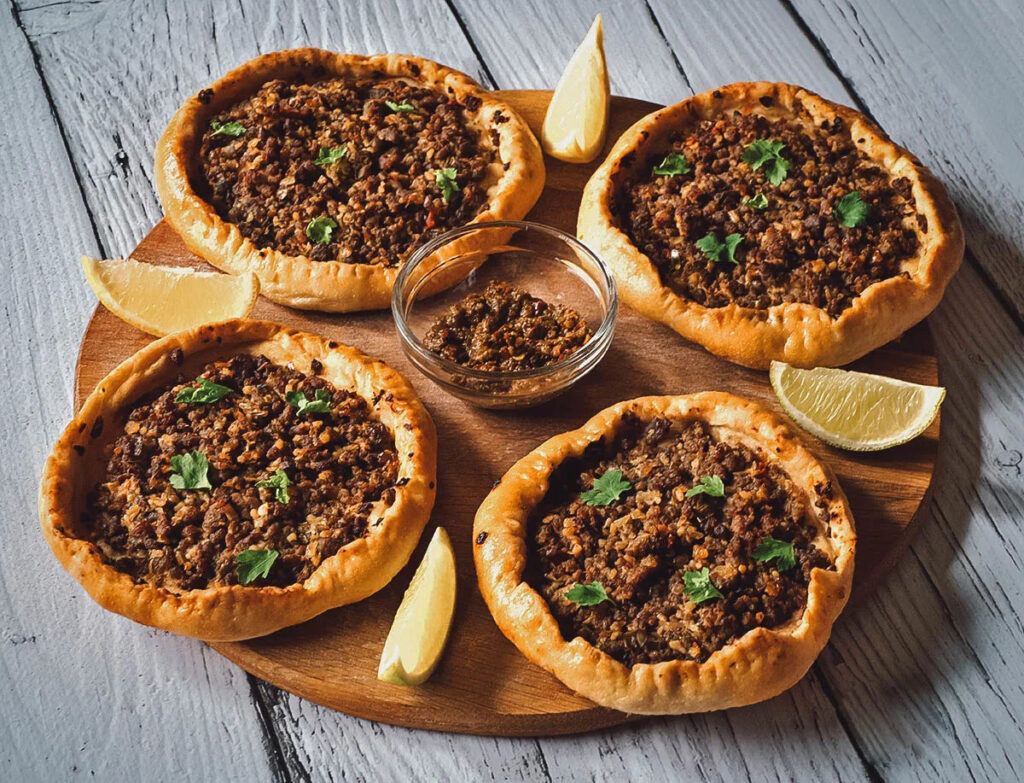
Manakish is a traditional Lebanese flatbread commonly enjoyed at breakfast or as a light meal. It is usually topped with za’atar and olive oil, cheese, or seasoned minced meat before being baked.
Za’atar manakish combines herbs, sesame seeds, and sumac, creating a distinctive flavour associated with everyday Lebanese food culture. The bread is often served warm with vegetables, olives, or tea.
Manakish reflects how familiar ingredients and established baking techniques can become an important part of daily life. Its continued popularity across generations makes it a valuable part of the country’s culinary identity.
Kafta and Shish Taouk: Preserving Traditional Grilling Techniques
Grilling is another important part of Lebanese food culture. Traditional recipes for kafta and shish taouk highlight the role of marinades, seasoning, and cooking techniques in developing flavour.
Kafta is made from minced meat mixed with parsley, onions, and spices before being shaped around skewers and grilled. Shish taouk consists of marinated chicken pieces cooked on skewers and commonly served with garlic sauce, pickles, and pita bread.
These dishes are frequently accompanied by hummus, tabbouleh, or fattoush. Traditional grilling methods preserve familiar flavours while allowing cooks to maintain the techniques that have shaped Lebanese meals over time.
Lebanese Desserts: Preserving Sweet-Making Traditions
Traditional desserts provide another way to understand the cultural importance of food in Lebanon.
Baklava is prepared with delicate pastry layers, nuts, and sweet syrup. Knafeh combines shredded pastry or semolina-based dough with a soft cheese filling and sweet syrup. Maamoul, meanwhile, consists of decorative filled cookies traditionally made with dates, pistachios, or walnuts.
These sweets are often associated with celebrations, family visits, and festive occasions. Their preparation requires established techniques that continue to be passed between generations.
Enjoying these desserts with Lebanese coffee or tea offers a glimpse into the hospitality and traditions that complement the Best Lebanese Food In Lebanon.
How Traditional Lebanese Recipes Adapt to Modern Life
Lebanese food culture continues to evolve as chefs and home cooks introduce new presentations, ingredients, and cooking methods. However, many modern interpretations retain the essential flavours and principles of traditional recipes.
Restaurants may present familiar dishes in contemporary ways while continuing to use ingredients such as olive oil, herbs, legumes, and seasonal vegetables. Families also adapt recipes to suit their preferences while maintaining important elements of their culinary heritage.
This balance between tradition and innovation helps keep Lebanese food relevant to younger generations without losing its cultural significance.
FAQs About the Best Lebanese Food In Lebanon
1. What Traditional Dishes Best Represent Lebanese Food Culture?
Hummus, tabbouleh, kibbeh, manakish, kafta, and shish taouk are among the dishes that represent Lebanese culinary traditions. Baklava and knafeh showcase the country’s traditional desserts.
2. Why Is Mezze Important in Lebanese Culture?
Mezze encourages people to share several small dishes, enjoy different flavours, and spend time together. It reflects the importance of hospitality and social connection in Lebanese dining.
3. How Are Lebanese Food Traditions Passed Down Through Generations?
Families preserve culinary traditions by teaching younger generations how to prepare familiar dishes, select ingredients, season food, and use traditional cooking techniques.
4. What Ingredients Are Commonly Used in the Best Lebanese Food In Lebanon?
Common ingredients include olive oil, chickpeas, parsley, mint, garlic, lemon juice, tomatoes, bulgur wheat, and seasonal vegetables. Meat, yoghurt, tahini, and aromatic spices are also important in many recipes.
5. Can Visitors Experience Traditional Lebanese Food Culture in Restaurants?
Yes. Traditional restaurants offer opportunities to explore mezze, grilled specialities, regional dishes, and classic desserts while experiencing Lebanese hospitality and established culinary traditions.
Conclusion
The Best Lebanese Food In Lebanon reflects the country’s rich cultural heritage through traditional recipes, fresh ingredients, and the importance of sharing meals. Hummus and tabbouleh celebrate simple ingredients, kibbeh preserves generations of cooking knowledge, and manakish represents the connection between everyday food and cultural identity.
Grilled specialities and traditional desserts further demonstrate how Lebanese culinary traditions continue to thrive through family practices and restaurant dining. By exploring these dishes, visitors can appreciate not only the flavours of Lebanon but also the hospitality, history, and shared experiences that make its food culture distinctive.