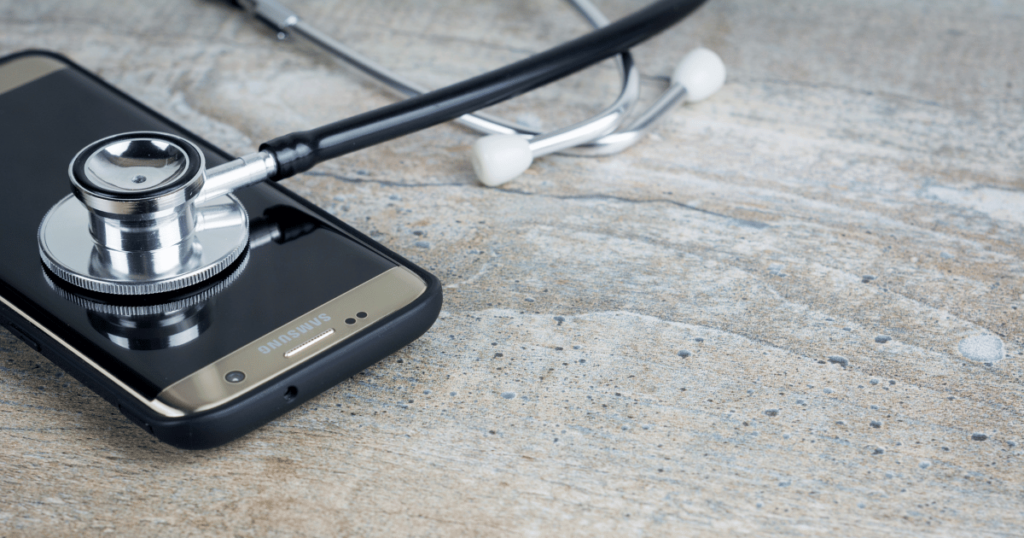
The smartphone repair industry has experienced tremendous growth as mobile devices have become an essential part of everyday life. Modern smartphones contain highly sophisticated hardware components, including advanced processors, multiple cameras, biometric sensors, wireless communication modules, and powerful batteries. While these innovations improve user experiences, they also make diagnosing hardware issues significantly more challenging.
For repair technicians, identifying the exact source of a device problem is one of the most important steps in the repair process. A faulty diagnosis can lead to unnecessary repairs, increased costs, wasted time, and dissatisfied customers. This is why many repair professionals rely on phone diagnostic software to perform accurate hardware detection and troubleshooting.
Advanced diagnostic tools help technicians identify faulty components quickly and efficiently while minimizing human error. Among the leading solutions available today, Phone Clinix provides comprehensive testing capabilities that support hardware detection, repair verification, and quality assurance. By using modern diagnostic technology, technicians can improve repair accuracy, increase productivity, and deliver exceptional customer service.
Understanding Phone Diagnostic Software
Phone diagnostic software is a specialized tool designed to analyze and evaluate smartphone hardware and software performance. It performs automated tests on various device components and generates detailed reports that help technicians identify problems.
Unlike traditional troubleshooting methods that often rely on manual inspections and trial-and-error approaches, diagnostic software provides objective and reliable data about device conditions.
The software typically evaluates:
- Touchscreen responsiveness
- Battery health
- Charging performance
- Camera functionality
- Speaker and microphone quality
- Wi-Fi connectivity
- Bluetooth functionality
- GPS accuracy
- Sensors and accelerometers
- Network performance
- Internal storage health
- System stability
Through automated testing, technicians gain valuable insights that allow them to make informed repair decisions.
Why Hardware Detection Is Critical
Hardware issues can often present symptoms that resemble software problems. For example, a malfunctioning touchscreen may appear to be caused by a software glitch, while battery-related performance issues may mimic operating system problems.
Without proper diagnostics, technicians may spend considerable time investigating the wrong components.
Accurate hardware detection offers several advantages:
Faster Troubleshooting
Technicians can identify faults quickly and proceed directly to the repair process.
Reduced Repair Costs
Correct diagnoses prevent unnecessary parts replacements and labor expenses.
Higher Repair Success Rates
When the actual problem is identified, repairs are more likely to succeed on the first attempt.
Improved Customer Satisfaction
Customers appreciate fast and accurate service that resolves issues effectively.
Better Business Reputation
Consistent repair quality helps establish trust and encourages repeat business.
Common Hardware Issues in Smartphones
Modern smartphones contain numerous components that can fail over time due to wear, accidents, environmental factors, or manufacturing defects.
Battery Failures
Battery degradation is one of the most common hardware issues. Symptoms include rapid battery drain, overheating, unexpected shutdowns, and charging difficulties.
Screen and Touch Problems
Damaged displays and unresponsive touchscreens can significantly affect device usability. Diagnostics help determine whether issues stem from the screen itself or internal circuitry.
Charging Port Damage
Frequent charging can wear out charging ports, causing intermittent connections or complete charging failures.
Camera Malfunctions
Camera modules may experience focusing issues, image distortions, or complete hardware failures.
Audio Component Defects
Speakers and microphones can become damaged due to physical impacts, moisture exposure, or internal component failures.
Sensor Failures
Modern smartphones rely on numerous sensors for functionality. Faulty sensors can affect screen rotation, brightness adjustments, navigation, and other critical features.
How Phone Diagnostic Software Detects Hardware Problems
Advanced diagnostic tools use automated testing procedures to communicate directly with smartphone hardware components.
Component Verification
The software tests individual hardware components to verify whether they are functioning within expected parameters.
Performance Analysis
Diagnostic tools measure component performance and compare results against predefined standards.
Error Detection
The system identifies abnormalities, malfunctions, and failures that may not be visible through manual inspection.
Data Collection
Comprehensive reports provide technicians with valuable information about hardware conditions.
Repair Validation
After repairs are completed, diagnostics verify that all components are functioning properly.
This systematic approach improves repair accuracy and reduces troubleshooting time.
Features of the Best Phone Diagnostic Software
The effectiveness of a diagnostic solution depends on the features it offers. The best tools provide comprehensive testing capabilities that address the needs of modern repair environments.
Automated Hardware Testing
Automation reduces the need for manual inspections and speeds up the diagnostic process.
Multi-Component Analysis
Effective diagnostic software evaluates multiple hardware systems during a single testing session.
Real-Time Results
Immediate feedback helps technicians make quick repair decisions.
Detailed Reporting
Professional reports provide clear documentation of device conditions and repair outcomes.
Broad Device Compatibility
The software should support a wide range of smartphone brands and models.
User-Friendly Interface
An intuitive interface improves technician productivity and minimizes training requirements.
Why Phone Clinix Stands Out
Among the many diagnostic platforms available today, Phone Clinix has gained recognition for its comprehensive approach to smartphone testing and hardware detection.
The platform provides repair professionals with the tools needed to diagnose devices accurately and efficiently.
Comprehensive Hardware Evaluation
Phone Clinix tests numerous smartphone components, helping technicians identify issues quickly and thoroughly.
Simplified Testing Process
The platform guides users through structured testing procedures, reducing complexity and improving consistency.
Professional Reporting
Detailed reports generated by Phone Clinix help technicians document findings and communicate results effectively with customers.
Enhanced Repair Accuracy
Accurate hardware detection minimizes guesswork and supports better repair decisions.
Quality Assurance Capabilities
Post-repair diagnostics ensure that devices meet performance standards before being returned to customers.
Benefits of Diagnostic Software for Repair Shops
Repair businesses that invest in phone diagnostic software gain significant operational advantages.
Increased Efficiency
Automated diagnostics reduce the time spent identifying problems and allow technicians to focus on repairs.
Higher Productivity
Faster diagnostics enable repair shops to handle more devices each day.
Reduced Human Error
Automated testing improves consistency and minimizes mistakes.
Better Customer Communication
Diagnostic reports help explain repair needs and outcomes clearly.
Improved Profitability
Efficient workflows and accurate repairs contribute to stronger business performance.
The Importance of Pre-Repair Diagnostics
Before beginning any repair, technicians should conduct a complete diagnostic assessment.
Pre-repair testing provides several benefits:
- Establishes a baseline device condition
- Identifies all existing issues
- Prevents misunderstandings with customers
- Helps estimate repair costs accurately
- Supports informed repair planning
Using phone diagnostic software during the intake process ensures that technicians have a complete understanding of device conditions before starting repairs.
Post-Repair Verification and Quality Control
Repair work should never end when a component is replaced. Verifying repair success is equally important.
Confirming Functionality
Post-repair diagnostics ensure that repaired or replaced components are functioning correctly.
Identifying Remaining Issues
Additional testing may reveal secondary issues that require attention.
Maintaining Service Standards
Consistent verification procedures improve repair quality and customer satisfaction.
Reducing Return Visits
Proper testing minimizes the likelihood of unresolved problems and warranty claims.
Platforms such as Phone Clinix make post-repair verification an efficient and reliable process.
Future Trends in Hardware Detection
The field of smartphone diagnostics continues to evolve alongside mobile technology.
Artificial Intelligence
AI-powered systems are expected to improve fault detection accuracy and provide intelligent repair recommendations.
Predictive Diagnostics
Future software may identify components likely to fail before problems become noticeable.
Cloud Integration
Cloud-based reporting and analytics will improve accessibility and collaboration.
Remote Testing
Technicians may eventually perform diagnostics remotely, reducing the need for physical inspections.
Greater Automation
Advancements in automation will further streamline repair workflows and improve efficiency.
As these technologies develop, diagnostic software will become even more valuable for repair professionals.
Best Practices for Using Diagnostic Software
To achieve the best results, technicians should follow proven diagnostic procedures.
Test Every Device
Perform diagnostics on all incoming devices regardless of the reported issue.
Save Diagnostic Reports
Maintain records for quality control and customer communication purposes.
Verify Repairs
Always conduct post-repair testing to confirm successful repairs.
Update Software Regularly
Keep diagnostic tools updated to support the latest smartphone models.
Train Staff Consistently
Ensure technicians understand testing procedures and software features.
Conclusion
Accurate hardware detection is one of the most important aspects of smartphone repair. As mobile devices become increasingly sophisticated, technicians need advanced tools that can identify faults quickly and reliably. Phone diagnostic software provides the automation, precision, and efficiency required to meet these challenges.
Solutions like Phone Clinix offer comprehensive testing capabilities that simplify troubleshooting, improve repair accuracy, and support quality assurance. By leveraging advanced diagnostics, repair professionals can reduce repair times, increase productivity, and deliver better customer experiences.
For repair shops and independent technicians alike, investing in phone diagnostic software and utilizing platforms such as Phone Clinix is a smart strategy for maintaining high standards and staying competitive in the rapidly evolving mobile repair industry.