A small crack in a brick wall may seem harmless, but masonry problems can grow quickly when ignored. Water, shifting foundations, weather exposure, and deteriorating mortar can gradually weaken a structure. Local Masonry Contractors can identify early warning signs and recommend practical repairs before minor defects become expensive problems. Understanding common masonry repairs helps property owners protect their buildings, control maintenance costs, and preserve long-term structural performance.
Why Timely Masonry Repairs Matter
Masonry is known for its strength and durability, but even well-built walls require maintenance. Bricks, blocks, mortar joints, stone, and concrete can all deteriorate over time.
Small defects often provide an entry point for moisture. Once water gets behind a masonry surface, it can cause freeze-thaw damage, corrosion of embedded metal, staining, mold growth, and deterioration of surrounding materials.
Prompt repairs also help prevent a repair from becoming a replacement. Fixing a damaged mortar joint is generally much simpler than rebuilding a section of a wall that has become unstable.
Masonry Contractors can assess visible damage and determine whether the problem is cosmetic, moisture-related, or potentially structural.
Common Masonry Repairs That Protect Buildings
Different masonry problems require different repair methods. The right approach depends on the material, location, extent of deterioration, and cause of the damage.
Mortar Joint Repair
Deteriorated mortar joints are among the most common masonry problems. Over time, mortar can crack, crumble, or become recessed because of weather exposure and moisture.
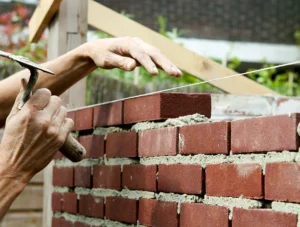
Repointing involves removing damaged mortar from the joints and replacing it with compatible new mortar. Proper repointing restores the joint’s protective function while helping keep water out of the wall assembly.
However, the new mortar should be compatible with the existing masonry. Using an overly hard mortar on older brick can sometimes cause the brick itself to deteriorate.
Brick Crack Repair
Cracked bricks can develop because of impact, temperature changes, moisture, settlement, or movement within a structure. A few isolated hairline cracks may not indicate a serious problem, but wider, recurring, or progressively expanding cracks deserve professional attention.
Depending on the condition, a damaged brick may be repaired or replaced. Contractors should also investigate why the crack formed rather than simply covering it.
Wall Crack Repair
Cracks that extend through several masonry units or follow a repeating pattern may indicate movement. For example, stair-step cracking in brickwork can sometimes be associated with settlement or structural movement.
Repairing the visible crack without addressing its cause may only provide a temporary solution. A proper inspection helps determine whether the wall needs localized repair, stabilization, drainage improvements, or further structural evaluation.
Water Damage Repair
Water is one of masonry’s biggest long-term enemies. Damaged flashing, failed sealants, clogged drainage systems, missing caps, and deteriorated mortar can allow water to enter areas where it should not.
Common signs of moisture-related masonry damage include:
- Dark or damp-looking areas
- Efflorescence or white mineral deposits
- Crumbling mortar
- Spalling brick or concrete
- Peeling finishes near masonry
- Rust stains around metal components
- Persistent interior dampness
Correcting the source of water is essential. Otherwise, a newly repaired surface may deteriorate again.
Masonry Repair Methods at a Glance
The following table shows common problems, possible causes, and typical repair approaches.
| Masonry Problem | Possible Cause | Common Repair | Main Benefit |
|---|---|---|---|
| Crumbling mortar | Weather and moisture | Repointing | Restores joint protection |
| Cracked brick | Movement, impact, moisture | Brick replacement | Prevents localized deterioration |
| Stair-step cracks | Settlement or movement | Inspection and structural repair | Addresses underlying movement |
| Efflorescence | Moisture migration | Moisture-source correction and cleaning | Reduces recurring deposits |
| Spalling | Freeze-thaw cycles or moisture | Replace damaged units and correct moisture | Protects surrounding masonry |
| Failed sealant | Age and weather exposure | Joint resealing | Limits water penetration |
| Damaged flashing | Improper installation or deterioration | Flashing repair/replacement | Improves drainage |
| Leaning wall | Movement or foundation problems | Professional structural assessment | Helps protect stability |
Repairs That Address Water Intrusion
Water management should be a major part of masonry maintenance. Even a strong wall can suffer when moisture repeatedly enters cracks, joints, or poorly protected openings.
Replacing Damaged Sealants
Sealants around windows, doors, expansion joints, and other transitions can become brittle or separate from adjoining materials. Gaps allow rainwater to reach vulnerable areas.
Replacing failed sealant with an appropriate product helps maintain the building envelope. Before applying new material, the old sealant and loose debris should be removed so the new joint can bond properly.
Repairing Flashing
Flashing directs water away from vulnerable parts of a building. Damaged or improperly installed flashing can cause hidden moisture problems behind masonry.
Common locations include windowsills, roof-to-wall transitions, parapets, and areas above openings. When moisture damage keeps returning in one location, flashing should be considered as a possible cause.
Maintaining Drainage
Masonry walls depend on proper drainage to manage water. Gutters, downspouts, weep holes, and other drainage components should remain clear and functional.
Simple maintenance can make a significant difference. Keeping water away from the wall reduces the chance that moisture will repeatedly enter masonry joints and surrounding materials.
Repairing Spalled Masonry
Spalling occurs when the surface of brick, concrete, stone, or other masonry materials breaks, flakes, or separates. Moisture penetration and freeze-thaw cycles are common contributors, although corrosion and material defects can also play a role.
Spalling should not simply be covered with a new finish. Damaged material needs to be evaluated and removed as appropriate, while the source of moisture or other deterioration is addressed.
In severe cases, affected units may need replacement. Early intervention can limit the damaged area and reduce the amount of masonry that ultimately requires reconstruction.
Addressing Efflorescence Before It Gets Worse
Efflorescence appears as a white, powdery deposit on masonry surfaces. It occurs when water moves through masonry and carries soluble salts toward the surface.
Although efflorescence is often primarily an appearance issue, recurring deposits can indicate ongoing moisture movement. Cleaning the surface may improve its appearance, but stopping the underlying water source is usually more important.
Property owners should look for drainage problems, leaks, cracks, or other pathways that may be allowing excessive moisture into the wall.
Repairing Damaged Masonry Around Windows and Doors
Openings are common areas for masonry deterioration because several building materials meet in a relatively small space. Water can enter around frames, sills, lintels, and joints when seals or flashing fail.
Cracks above windows and doors should receive particular attention. These areas can experience concentrated loads, and deterioration around an opening may affect more than the surface appearance.
Professional assessment can help determine whether the issue requires repointing, sealant replacement, masonry replacement, lintel repair, or additional structural work.
When a Masonry Crack Needs Immediate Attention
Not every crack means a building is in danger, but certain patterns deserve prompt evaluation.
Watch for cracks that:
- Continue getting wider or longer
- Appear suddenly
- Extend through multiple masonry units
- Occur around windows or doors
- Are accompanied by bulging or leaning walls
- Reappear after previous repairs
- Occur alongside sticking doors or windows
- Appear with noticeable water damage
A rapidly changing masonry problem should not be treated as a simple cosmetic defect. Getting an experienced professional involved early can help identify the underlying cause.
How to Prevent Expensive Masonry Problems
Regular inspections can catch problems before they become major repairs. Property owners do not necessarily need complicated maintenance programs; consistent observation and timely action can make a meaningful difference.
Inspect Masonry Regularly
Look over exterior walls at least periodically, particularly after severe weather. Check mortar joints, corners, window openings, parapets, and areas where different materials meet.
Documenting new cracks with photographs can also help track whether a defect is changing.
Keep Water Away From Walls
Make sure gutters and downspouts direct water away from the building. Remove debris that blocks drainage and address leaks promptly.
Good water management reduces the stress placed on masonry and helps preserve mortar joints.
Avoid Improper DIY Repairs
Using the wrong mortar, patching compound, sealant, or cleaning method can create additional problems. For example, aggressive cleaning methods may damage brick surfaces, while incompatible mortar can contribute to premature deterioration.
When damage involves structural movement, extensive cracking, or significant water penetration, professional evaluation is the safer choice.
Schedule Professional Inspections
Experienced Masonry Contractors can recognize deterioration that may be difficult for an untrained observer to assess. They can examine the pattern, location, and severity of damage and recommend repairs based on the actual condition of the masonry.
Professional input is particularly valuable for older buildings, large cracks, leaning walls, and recurring damage.
Choosing the Right Masonry Repair Approach
The best repair is not always the most extensive one. A reliable approach begins by identifying the cause of the deterioration.
For example, replacing a few bricks may solve a localized problem caused by impact. However, if those bricks are repeatedly exposed to water, replacement alone will not prevent future damage.
Before approving work, ask the contractor:
- What caused the masonry damage?
- Is the problem cosmetic or potentially structural?
- Which repair method is recommended?
- Will the replacement materials match the existing masonry?
- How will the repair prevent the problem from returning?
Clear answers can help property owners make better maintenance decisions and avoid unnecessary repairs.
The Long-Term Value of Preventive Masonry Maintenance
Preventive maintenance is usually easier to manage than emergency masonry work. Small repairs can protect surrounding materials, reduce water intrusion, and extend the service life of masonry components.
More importantly, routine maintenance gives property owners an opportunity to identify developing problems before they affect larger portions of a building.
A practical maintenance strategy should combine visual inspections, drainage maintenance, prompt repair of defects, and professional assessment when damage is unusual or persistent.
Conclusion
Masonry problems rarely improve simply because they are ignored. Cracked bricks, deteriorating mortar, water intrusion, spalling, damaged flashing, and failing sealants can all contribute to more serious deterioration when left untreated. Timely repairs help protect walls, reduce moisture exposure, and preserve the structural performance of a property. Working with qualified Local Masonry Contractors can also help ensure that repairs address the underlying cause rather than only covering visible symptoms. With regular inspections and sensible maintenance, property owners can extend masonry service life, avoid unnecessary reconstruction, and protect their investment for years to come.
Frequently Asked Questions
1. What is the most common masonry repair?
Repointing deteriorated mortar joints is one of the most common masonry repairs. It helps restore weather resistance and protects the edges of masonry units from moisture-related deterioration.
2. Are small cracks in brick walls serious?
Small cracks are not always serious, but their pattern and progression matter. Cracks that expand, extend through multiple masonry units, or appear alongside movement or water damage should be professionally evaluated.
3. How often should masonry be inspected?
A visual inspection at least once a year is a useful maintenance practice. Additional checks after severe storms, freezing weather, or noticeable building movement can help identify problems earlier.
4. Can damaged mortar be repaired without replacing the bricks?
Yes. When bricks remain structurally sound, damaged mortar joints can often be removed and replaced through repointing. The replacement mortar should be compatible with the existing masonry.
5. When should I hire Masonry Contractors?
Consider hiring Masonry Contractors when you notice significant cracking, crumbling mortar, spalling, recurring moisture damage, leaning walls, or repairs that keep failing. Professional assessment can help determine the appropriate solution before the damage spreads.