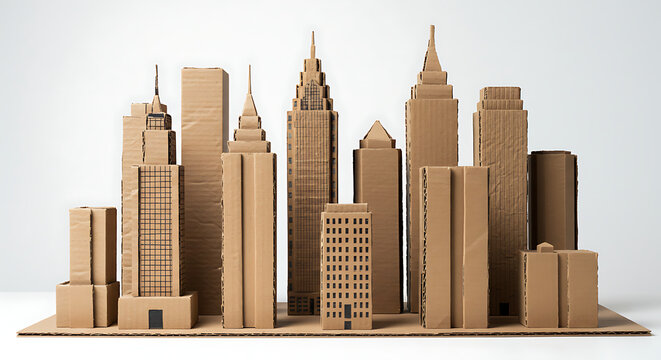
Creating a cardboard cityscape is an exciting way to combine art, design, and imagination. Using simple materials like cardboard, glue, and paint, you can build a miniature urban world that captures the essence of city life. These handcrafted cityscapes offer endless possibilities for creativity, whether for personal projects, school assignments, or professional model-making.
Cardboard cityscapes allow you to experiment with architecture and city planning without the limitations of real-world construction. By manipulating shapes, heights, and layouts, you can mimic the bustle of a real city or invent entirely fantastical urban environments. This makes cardboard a versatile and cost-effective medium for artistic expression.
Why Cardboard Cityscapes Are Popular
The popularity of cardboard cityscape stems from their accessibility and adaptability. Cardboard is lightweight, easy to cut, and readily available, making it ideal for hobbyists and professionals alike. Moreover, working with cardboard encourages sustainable practices since recycled materials can be used to create intricate cityscapes, reducing waste while fostering creativity.
Artists and educators increasingly use cardboard cityscapes as interactive teaching tools. Students can learn about urban design, geometry, and architecture while engaging in hands-on creativity. Additionally, the tactile experience of constructing buildings and streets enhances problem-solving skills and spatial awareness.
Essential Materials and Tools
To start your cardboard cityscape, gather some basic materials: cardboard sheets, cutting tools like X-Acto knives or scissors, rulers, pencils, glue, and masking tape. For added detail, you can incorporate paint, markers, or miniature objects such as trees, vehicles, and figures. Using corrugated cardboard can add structural stability, allowing taller buildings or layered designs.
Precision is key when building a cityscape. Measure and sketch your structures before cutting to ensure accurate scaling. Experimenting with different cardboard thicknesses and textures can create a realistic urban feel, from smooth office buildings to textured brick facades.
Planning Your Cardboard Cityscape
Before cutting and assembling, sketch a rough layout of your cityscape. Decide where key structures like skyscrapers, residential areas, and parks will go. Think about the perspective you want to convey, whether a top-down view or a street-level approach. Planning the flow of roads, sidewalks, and alleyways adds realism and makes the cityscape visually engaging.
Consider starting with a small section and gradually expanding your city. This approach allows you to refine techniques and design elements before committing to larger areas. Remember, the beauty of cardboard cityscapes lies in experimentation—don’t be afraid to adjust layouts or modify buildings as your vision evolves.
Techniques for Realistic Effects
Creating depth and realism in your cardboard cityscape requires attention to detail. Layering different heights, adding textures, and painting subtle shades can give the illusion of distance and complexity. Using cut-out windows, roof details, and miniature street elements enhances the authenticity of the urban environment.
Lighting can dramatically affect the perception of your cityscape. Adding small LED lights or reflective surfaces simulates streetlights, traffic, and window reflections, bringing the cardboard city to life. Shadows and highlights also enhance three-dimensionality, making your miniature cityscape more visually striking.
Applications and Inspirations
Cardboard boxes cityscapes are not just artistic exercises—they have practical applications. Architects and urban planners often use cardboard models to visualize city layouts and building concepts. Similarly, filmmakers and set designers can create low-cost, scalable city sets for stop-motion animations or photography projects.
In addition, cardboard cityscapes inspire creative storytelling. Writers, educators, and hobbyists use these models to visualize narratives or simulate city dynamics. By constructing a tangible environment, ideas about movement, traffic, and social interactions become easier to conceptualize and communicate.
Tips for Longevity
To ensure your cardboard cityscape lasts, consider reinforcing fragile structures with additional layers of cardboard or lightweight wooden supports. Keep your model away from moisture and direct sunlight to prevent warping or fading. Storing your cityscape in a protective display case can also preserve its detail and craftsmanship for years to come.
Conclusion
A cardboard cityscape is more than just a craft—it’s a gateway to creativity, learning, and artistic exploration. With simple materials and imagination, you can transform plain cardboard into a detailed miniature urban world. Whether for personal enjoyment, educational purposes, or professional design, cardboard cityscapes offer endless possibilities to bring imaginative cities to life.