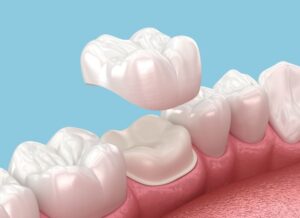
A dental crown is a customised restoration designed to cover a damaged, weakened, or extensively restored tooth. It helps restore the tooth’s shape, support its function, and improve its appearance when a standard filling may not provide sufficient coverage. Before recommending a crown, a dentist must carefully assess the existing tooth structure to understand how much healthy tissue remains and what type of restoration may be appropriate.
For patients considering Dental Crown Dubai treatments, the evaluation process is an important part of treatment planning. Every tooth has a different condition, depending on factors such as previous dental work, the extent of decay, fractures, bite pressure, and the amount of remaining enamel and dentine. These details influence the preparation required, the crown design, and the way the final restoration will fit.
At Cornerstone Clinic, understanding the condition of a tooth before crown placement helps guide decisions towards a restoration that supports everyday chewing and maintains a natural appearance. A structured assessment also allows patients to understand their treatment options, the expected stages of care, and the factors that may influence Dental Crown Cost in Dubai.
Why Is Tooth Structure Evaluated Before Crown Placement?
A dental crown must fit securely over the prepared tooth while providing adequate coverage and allowing the patient to bite and chew comfortably. The condition of the natural tooth determines how this restoration can be planned.
The dentist first considers whether enough healthy tooth structure remains to support the crown. A tooth with a small area of damage may require a different approach from one that has lost a substantial amount of enamel and dentine through decay, fracture, or previous restorations.
The assessment also helps determine whether the tooth can be restored with a crown alone or whether additional treatment should be considered before placement. In some cases, a filling or another conservative restoration may be sufficient. In others, a crown may offer more suitable coverage.
Evaluating tooth structure before treatment allows the dentist to develop a plan based on the individual tooth rather than relying on a standard approach for every patient.
How Does the Dentist Examine the Remaining Tooth Structure?
The initial examination involves looking closely at the visible parts of the tooth and assessing the areas affected by damage or previous dental procedures.
Assessing the Amount of Remaining Enamel
Enamel forms the hard outer layer of a tooth. It protects the underlying dentine and contributes to the tooth’s overall strength. When enamel is damaged by decay, wear, or fracture, the dentist evaluates how much healthy enamel remains.
The amount and location of the remaining enamel can influence the preparation design and the restoration selected. For example, damage affecting a large portion of a tooth may require broader coverage than a small defect that can be managed with a more conservative treatment.
The dentist also considers whether the remaining tooth structure can provide suitable support for the planned crown.
Examining the Underlying Dentine
Dentine lies beneath the enamel and forms much of the tooth’s internal structure. It may become exposed when enamel is lost through decay, wear, or fracture.
During the examination, the dentist assesses the condition of the dentine and determines whether any areas require treatment before crown preparation. Softened or decayed tissue may need to be removed, while healthy tissue should be preserved wherever possible.
This distinction is important because the final restoration must be supported by a suitably prepared tooth. The dentist aims to balance the removal of damaged tissue with the preservation of healthy natural structure.
Identifying Existing Fillings and Restorations
A tooth that has undergone several restorative procedures may have less natural structure remaining than an untreated tooth. Large fillings can occupy a substantial part of the crown of the tooth, affecting the amount of natural tissue available to support a new restoration.
The dentist examines the size, location, and condition of existing fillings. They also assess whether the surrounding tooth structure appears intact and whether the existing restoration needs to be replaced.
This evaluation helps determine whether a crown is appropriate and how the remaining tooth can best be prepared.
How Are Tooth Decay and Previous Damage Evaluated?
Before a crown is placed, the dentist must identify any active decay or structural damage that could affect the restoration.
Checking for Tooth Decay
Dental decay can weaken a tooth by gradually breaking down its hard tissues. The dentist examines visible surfaces and areas around existing fillings to identify signs of decay.
If decay extends beneath an old restoration or into a less visible area, additional investigation may be required. The affected tissue must be addressed before the final crown is fitted.
The amount of tooth structure remaining after decay is treated is especially important. Removing damaged tissue may reveal that a tooth needs a different restoration plan than initially expected.
Evaluating Cracks and Fractures
Cracks can occur because of biting pressure, accidental injury, repeated stress, or changes in the tooth’s structure over time. Some cracks are visible during a routine examination, while others may require a more detailed assessment.
The dentist considers the position, direction, and apparent extent of a crack. A small defect affecting the outer surface may be managed differently from a fracture that extends towards the root.
The location of the damage helps the dentist determine how much coverage may be needed and whether the tooth can be restored predictably.
Reviewing Previous Dental Treatment
Teeth that have undergone root canal treatment, extensive fillings, or repeated repairs may require particular attention during crown planning. The dentist reviews the available treatment history and examines the current condition of the tooth.
For a root-treated tooth, the assessment may include checking the remaining walls, the condition of the existing restoration, and the amount of support available for the crown. The need for additional internal support depends on the specific tooth and the amount of remaining structure.
The objective is to select a restoration approach that reflects the tooth’s present condition rather than its treatment history alone.
What Role Do Dental X-Rays Play in Crown Assessment?
A clinical examination provides important information about the visible tooth structure, but some areas cannot be evaluated fully by looking at the tooth alone. Dental X-rays may therefore be recommended when they are likely to provide useful diagnostic information.
Radiographs can help the dentist examine the roots, supporting bone, areas between teeth, and certain forms of decay that may not be obvious during a visual examination. They can also help assess previous root canal treatment when relevant.
The type and number of X-rays depend on the clinical findings and the information needed for treatment planning. Not every patient requires the same imaging.
The dentist combines radiographic findings with the clinical examination to develop a more complete understanding of the tooth. This information can help identify whether additional treatment is needed before the crown is prepared.
How Is the Tooth’s Gumline and Supporting Structure Examined?
A dental crown does not function independently of the surrounding tissues. The gumline and supporting structures also contribute to the long-term condition of the restored tooth.
The dentist examines the gums around the tooth, looking at their general health and the relationship between the gumline and the visible tooth structure. The presence of inflammation, bleeding, or changes in the surrounding tissues may influence the timing of treatment.
The position of the gumline is also relevant to crown design. The restoration needs an appropriate margin that fits the prepared tooth while allowing the surrounding tissues to remain accessible for routine cleaning.
The dentist may assess the supporting bone using clinical findings and appropriate imaging. If periodontal treatment is needed, it may be recommended before proceeding with the crown.
Considering these factors helps ensure that crown planning addresses both the tooth itself and the tissues that support it.
How Does Bite Assessment Influence Crown Preparation?
Tooth structure must be evaluated in relation to how the teeth meet during chewing. A crown that fits the tooth but does not align properly with the bite may affect comfort and function.
The dentist examines the patient’s bite to identify areas of heavy contact, uneven pressure, or signs of excessive wear. They may also ask about habits such as clenching or grinding, which can influence the forces placed on teeth and restorations.
The position of the tooth matters as well. Back teeth typically experience considerable chewing forces, while front teeth contribute to biting and have important aesthetic roles.
These differences affect the way a crown is designed. The dentist considers the available space, the opposing teeth, and the tooth’s position when planning its final shape and height.
Bite assessment helps guide the restoration towards a comfortable fit that supports normal chewing and maintains a balanced relationship with the surrounding teeth.
How Is the Appropriate Crown Design Selected?
Once the tooth has been evaluated, the dentist considers the type of crown that may best meet the patient’s functional and aesthetic needs.
The choice depends on the tooth’s location, the amount of remaining structure, the forces expected during chewing, and the appearance desired.
For example, a crown on a front tooth may require particular attention to colour, translucency, and shape. A crown on a back tooth may place greater emphasis on strength and its ability to withstand chewing pressure, while still considering appearance.
The dentist also evaluates the available space for the restoration and determines how much tooth preparation is needed. The aim is to create enough room for the crown material without removing more natural tissue than necessary.
Digital scans or conventional impressions may be used to record the tooth and surrounding structures. These records help the dental laboratory produce a restoration that fits the prepared tooth and aligns with neighbouring teeth.
The final design should reflect the tooth’s individual condition, rather than simply following a general preference for one crown material or shape.
Which Factors Can Influence Dental Crown Cost in Dubai?
The cost of a dental crown depends on several aspects of the treatment plan. Understanding these factors can help patients discuss their options with the dentist before treatment begins.
One consideration is the crown material. Different materials have different aesthetic characteristics, durability profiles, and laboratory requirements. The most appropriate choice depends on the tooth’s location and the patient’s clinical needs.
The condition of the natural tooth can also influence the overall treatment. A tooth that requires additional restorative work before crown placement may involve more appointments or procedures than a tooth that is ready for preparation.
Other considerations include the complexity of the case, the technology used to create the restoration, and the clinical services included in the treatment plan.
When comparing Dental Crown Cost in Dubai, patients should ask what is included in the quoted fee. It can be useful to clarify whether the price covers the initial assessment, any necessary imaging, tooth preparation, the temporary restoration where required, the final crown, and follow-up appointments.
A personalised assessment is the most reliable way to understand the treatment recommended and the associated costs. The least expensive option is not automatically the most appropriate, as the restoration must suit the condition and functional requirements of the tooth.
What Happens After the Tooth Structure Assessment?
After the examination is complete, the dentist explains the findings and discusses the proposed treatment.
If a crown is suitable, the next stage generally involves preparing the tooth by carefully reshaping it to create space for the restoration. The dentist removes any remaining damaged tissue that requires treatment and shapes the tooth so that the crown can fit securely.
An impression or digital scan is then taken to record the prepared tooth. Depending on the clinical situation and the laboratory process, a temporary crown may be fitted while the final restoration is being made.
At a subsequent appointment, the dentist checks the crown’s fit, appearance, and bite before securing it in place. Adjustments may be made to improve comfort and ensure that the restoration works harmoniously with the surrounding teeth.
Patients are also given advice on brushing, cleaning between the teeth, and maintaining the health of the gums around the crown. Regular dental examinations allow the dentist to monitor the restoration and the underlying tooth over time.
Conclusion
Evaluating tooth structure before crown placement is an essential step in developing a suitable restorative treatment plan. The dentist examines the remaining enamel and dentine, identifies decay or fractures, reviews previous dental work, and considers the health of the gums, supporting tissues, and bite.
These findings help determine whether a crown is appropriate, how the tooth should be prepared, and which restoration design may offer a suitable balance of function and appearance. They also help explain why treatment requirements and Dental Crown Cost in Dubai can vary between patients.
For anyone considering Dental Crown Dubai treatment, a detailed dental consultation provides an opportunity to understand the condition of the tooth and discuss the available options. At Cornerstone Clinic, an individualised assessment can help guide treatment planning towards a restoration that complements the natural teeth and supports everyday oral function.
Frequently Asked Questions
1. Why does a dentist examine tooth structure before placing a crown?
The examination helps determine how much healthy tooth structure remains, identify decay or fractures, and assess whether the tooth can support a crown. These findings guide the restoration design and help establish whether additional treatment is needed.
2. Can a dental crown be placed on a tooth with a large filling?
Yes, a tooth with a large filling may be suitable for a crown if the remaining structure can support the restoration. The dentist evaluates the condition of the tooth, the size of the existing filling, and the amount of healthy tissue available before recommending treatment.
3. Are dental X-rays always required before crown placement?
No. X-rays are recommended when the dentist needs additional information that cannot be obtained adequately through a clinical examination. The decision depends on the tooth’s condition, the patient’s dental history, and the information required for treatment planning.
4. How does tooth damage affect crown selection?
The extent and location of damage influence the amount of coverage required, the preparation design, and the material considered. A tooth with extensive structural loss may require a different approach from one with a smaller defect.
5. Does the condition of the gums affect dental crown treatment?
Yes. Healthy surrounding tissues help support the long-term maintenance of a crown. If gum inflammation or another periodontal concern is identified, the dentist may recommend addressing it before proceeding with the restoration.
6. How long does a dental crown assessment take?
The duration depends on the complexity of the case, the need for imaging, and whether additional examination is required. Many initial assessments can be completed in a routine consultation, while more complex cases may require further diagnostic appointments.
7. What determines Dental Crown Cost in Dubai?
The cost can depend on the selected material, the condition of the tooth, the complexity of preparation, any additional treatment required, and the services included in the overall treatment plan. A dental consultation helps establish an estimate based on individual needs.
8. How can I prepare for a dental crown consultation?
Bring details of relevant previous dental treatments, including any root canal procedures or existing restorations, if available. Tell the dentist about discomfort, sensitivity, difficulty chewing, or concerns about the appearance of the tooth. This information helps the dentist evaluate the tooth and discuss suitable options.
9. How should a tooth be cared for after crown placement?
Brush twice daily with fluoride toothpaste, clean between your teeth regularly, and attend routine dental check-ups. Follow the dentist’s instructions and report any persistent discomfort or changes in the way your teeth meet when biting.
10. Is a crown always necessary for a damaged tooth?
No. The appropriate treatment depends on the amount of damage and the condition of the remaining tooth. A filling or another conservative restoration may be sufficient in some cases, while more extensive damage may make a crown a more suitable option. The dentist can explain the alternatives after examining the tooth.