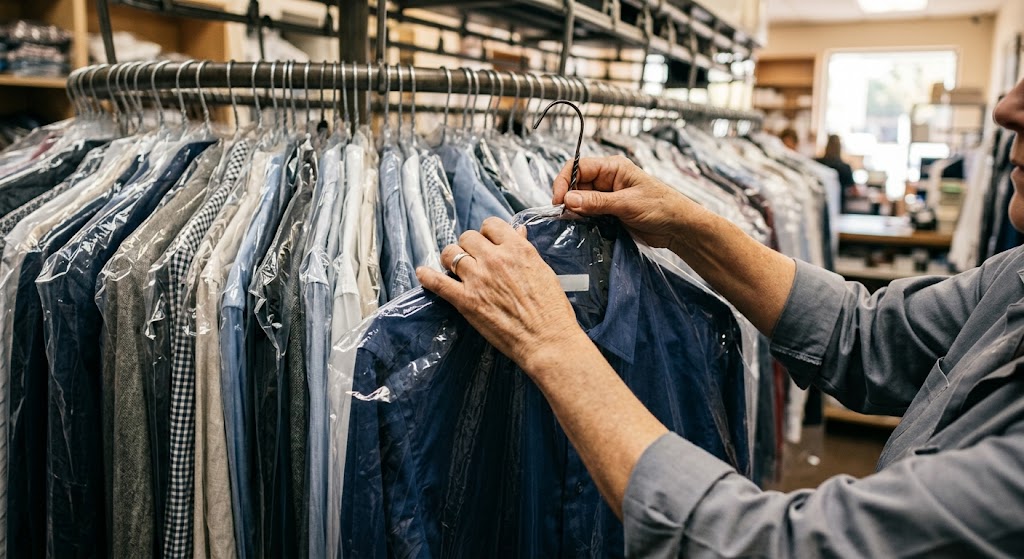
Exceptional fabric care from London dry cleaners for silk, cashmere, wool, tailoring and delicate garments, with specialist handling.
Your wardrobe can contain very different fabrics, yet they may all need professional attention at some point. A wool suit may need careful pressing after months of commuting. A silk blouse may have a small mark that needs stain assessment. Cashmere can lose its shape when handled poorly. Eveningwear may have beads, embroidery or layered construction that makes routine cleaning unsuitable.
This guide is for London customers who want to understand what happens before, during and after professional garment cleaning. It is also useful if you are comparing dry cleaners in London for designer clothing, formalwear, workwear or delicate fabrics.
The aim is practical. You will learn how to identify the right service, match cleaning to fabric, understand realistic London prices, check relevant local rules and assess a provider before handing over valuable clothing. You will also see why London’s rainfall, commuting habits and changing seasons can influence garment-care routines.
Good fabric care starts with one simple question: what does this particular garment actually need?
1. Decide what you need before choosing a cleaner
Start with the garment. Do not start with the price.
Separate the pieces that need ordinary cleaning from those that need specialist attention. A cotton shirt may be straightforward. A cashmere jumper, silk blouse or structured jacket needs more consideration.
Check the care label first. Then look closely at stains, loose threads, missing buttons, decorative details and changes in shape. Take a quick photograph of valuable pieces before handing them over. It gives you a useful record of their condition.
The International Wool Textile Organisation advises airing wool garments between wears and notes that wool’s natural properties can help resist odour and staining. It also recommends appropriate cleaning before long-term storage.
The common mistake is assuming that every garment needs frequent dry cleaning. It does not. Over-cleaning can add unnecessary handling, while leaving a stained or soiled garment untreated can allow marks to become harder to remove.
Your local London tip is simple: think about how the garment is actually used. A suit worn several times a week on the Underground faces different conditions from an evening dress worn twice a year.
Why clean something simply because it has been worn?
For some garments, airing, brushing and proper storage can form part of the care routine between professional cleans. For others, timely specialist cleaning is the safer choice.
Make that decision garment by garment.
2. Pick the material and service type
Once you know what needs attention, match the service to the fabric.
Silk, wool, cashmere, linen, velvet, leather, suede and embellished garments can respond differently to moisture, heat, solvents and mechanical movement. Construction matters too. A tailored jacket may contain several layers that need to retain their original shape.
A useful professional assessment should consider the fibre, colour, construction, trim and condition before processing. Specialist London price lists reflect this difference. For example, one Mayfair provider currently lists a two-piece suit from £42.50, a silk blouse from £28 and a cashmere sweater from £26, while unusual or couture pieces are quoted after assessment.
The common mistake is choosing a service because the garment category sounds familiar. Calling something a “dress” tells you very little about its construction.
A silk dress with embroidery is a different job from a simple cotton day dress.
Your London tip is to tell the cleaner what the garment is made from and mention any previous stain treatment. If you used a home stain remover, say so. That information can affect the cleaning decision.
Would you hand a £1,000 dress to a process you knew nothing about?
You do not need technical knowledge yourself. You need a provider willing to explain the proposed treatment clearly.
For delicate garments, ask whether the piece receives individual assessment, specialist cleaning and appropriate finishing. That conversation can tell you more than a list of services on a website.
3. Set a realistic budget
Set the budget after identifying the garments, not before.
London dry-cleaning prices vary widely because garments require different amounts of cleaning, finishing and specialist work. Current published London prices show two-piece suits ranging from around £17 at some standard providers to more than £40 at specialist Mayfair services. Silk blouses can range from roughly £8 to £28, while specialist dresses can move well beyond £30 depending on treatment.
Treat those figures as market examples, not fixed London rates.
The common mistake is comparing the cheapest item price without checking what happens after the garment is accepted. Does the price include pressing? Is stain treatment included? Are specialist fabrics assessed separately? Is collection charged?
Use the following snapshot as a starting point:
- Two-piece suits: published London prices currently range from roughly £17 to £43.
- Silk blouses: published prices range from about £8 to £28.
- Cashmere knitwear: examples range from roughly £12.50 to £26.
- Specialist dresses: prices commonly begin around £30 and can rise substantially.
- Designer garments: some London providers price these separately after inspection.
- Wedding or heavily treated garments: specialist providers may quote individually rather than publish one fixed rate.
Your local tip is to request the final price before specialist work begins.
A clear quote makes the decision easier. It also helps you compare services on what they include rather than on one headline number.
At BLANC Living, published service information describes garment assessment, fabric-specific treatment and finishing, with pricing dependent on the garment and work required.
That is the useful comparison to make: not simply “How much?” but “What happens for that price?”
4. Check permits and local rules
Check the operating method if you want to understand how a dry-cleaning business works.
Dry cleaning can involve regulated solvent processes. In England, dry cleaning is classified as a Part B activity under the local authority pollution prevention and control regime. The relevant guidance covers emission controls and permit requirements.
Southwark Council provides a London example. Its guidance states that qualifying dry-cleaning premises require a Part B environmental permit and sets a solvent-emission limit of 20 grams per kilogram of product cleaned and dried.
The common mistake is assuming that every shop displaying “dry cleaning” operates its own cleaning equipment. Some collection points send garments elsewhere for processing, so their regulatory position can differ.
Your London tip is to ask where the garment is actually processed if the cleaning method matters to you.
The practical customer question is not “Does this shop have a permit?” in isolation. Ask what cleaning process is used, where garments are processed and whether specialist items receive a different treatment.
This also gives you useful information when comparing modern cleaning systems with traditional solvent-based processes.
BLANC Living describes its own garment-care approach as using biodegradable detergents and states that it does not use perchloroethylene.
That does not make one process universally suitable for every fabric. The garment still needs to be assessed.
Local regulation is about operating conditions. Your concern as a customer is whether the provider can explain its process and handle your clothing appropriately.
5. Choose and vet the provider
Vet the provider before the first collection.
Look for clear service descriptions, published or explainable pricing, specialist garment experience and straightforward answers about cleaning and finishing. You should be able to ask a few basic questions without receiving vague replies.
Your common mistake is choosing entirely on convenience. A nearby shop may be perfect for everyday shirts but not necessarily the right option for couture, embellished eveningwear, leather or a valuable cashmere coat.
London’s climate makes garment care even more relevant. The Met Office’s 1991–2020 Heathrow averages record 614.98 mm of annual rainfall and 111.66 days with at least 1 mm of rain each year. October and November average more than 65 mm of rainfall at Heathrow.
That means coats, wool tailoring and other outer garments can face repeated exposure to rain and damp conditions.
Your local tip is to choose a provider that can support your whole wardrobe routine, not only remove stains.
Questions to ask a contractor
- Which cleaning method would you recommend for this fabric and why?
- Will you inspect the garment before giving a final price?
- How are stains, embellishments and delicate trims handled?
- Is pressing, steaming or reshaping included?
- Where is the garment actually cleaned and finished?
- What turnaround applies to specialist garments?
At BLANC Living, the service includes collection and delivery options alongside garment-care services, making it possible to manage specialist pieces without repeated shop visits. BLANC Living collection and delivery service
The right provider should leave you comfortable about the process before your clothes leave your hands.
Frequently asked questions
Which dry cleaners are suitable for delicate fabrics in London?
Look for a provider that specifically handles silk, cashmere, wool, couture, embellished clothing or other specialist materials. Ask how garments are assessed before cleaning and whether the final price is confirmed after inspection. A service designed mainly for routine shirts and trousers may not provide the same handling for complex garments.
Are there specialist dry cleaners in Mayfair?
Yes. Mayfair has providers offering specialist garment cleaning alongside standard dry cleaning. Current published Mayfair prices include specialist services for silk blouses, cashmere sweaters, suits and unusual garments. Check whether the provider offers collection, individual assessment and specialist finishing if those features matter to you.
Can dry cleaners collect garments from London homes?
Many London providers offer collection and delivery, although coverage, minimum orders and schedules vary. Some services focus on central London, while others cover wider areas. Check your postcode before booking. Collection can be useful for households managing several garments or specialist pieces at once.
How much does professional dry cleaning cost in London?
There is no single London price. Current published examples range from about £17 for some two-piece suits to more than £40 at specialist providers. Silk blouses can range from roughly £8 to £28. Specialist dresses, designer pieces and unusual garments can cost more or require individual quotations.
Why do silk and cashmere cost more to clean?
These fabrics may require more controlled handling and specialist finishing. Construction, decoration and garment condition can also affect the process. A cashmere jumper without decoration may be straightforward for one provider, while a silk garment with embroidery or beading may require additional assessment. Ask what treatment and finishing are included in the quoted price.