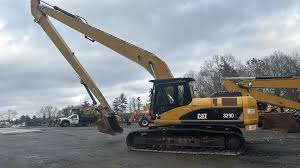
A skid steer is one of the most useful machines for construction, landscaping, farming, and property maintenance projects. Its compact size, powerful performance, and ability to use different attachments make it a valuable piece of equipment for many types of work. Whether you are moving soil, clearing debris, digging, grading, or lifting materials, a skid steer can help complete the job faster and more efficiently.
Buying a skid steer is not always the best option, especially if you only need the machine for a short period. This is why many contractors, businesses, and homeowners choose skid steer rental. Renting allows you to use professional equipment without making a large financial investment or worrying about long-term ownership costs.
This guide explains how to find the right skid steer rental for your needs, what to consider before renting, and how to get the best value from your equipment rental.
How to Choose the Right Skid Steer Rental
Skid steer rental gives businesses and individuals access to reliable equipment for temporary use. Choosing the right machine requires careful planning so the equipment matches your project requirements and budget.
What Is a Skid Steer Rental?
Skid steer rental is the process of renting a skid steer loader for a specific project or time period. Instead of purchasing the equipment, customers pay only for the time they need it.
This option is popular because it provides flexibility while reducing the financial responsibilities of equipment ownership.
Why Skid Steer Rentals Are Popular
Many people choose skid steer rental because it offers several important benefits.
Some of the main advantages include:
- Lower upfront costs
- Flexible rental periods
- Access to reliable equipment
- No long-term storage concerns
- Reduced maintenance responsibilities
These benefits make renting a practical choice for many industries.
Understand Your Project Requirements
Before selecting a skid steer rental, carefully evaluate your project.
Ask yourself:
- What type of work will be completed?
- How much material needs to be moved?
- What type of ground will the machine operate on?
- How much space is available?
Understanding your project helps you select equipment that performs efficiently.
Choose the Correct Machine Size
Skid steers are available in different sizes.
Choosing the right size depends on:
Small Projects
Compact skid steers work well in narrow spaces and residential properties.
Medium Projects
Mid-size machines provide a balance between power and maneuverability.
Large Projects
Larger skid steers offer greater lifting capacity and improved productivity for demanding jobs.
Selecting the proper size improves both safety and efficiency.
Consider Available Attachments
One of the biggest advantages of a skid steer is its ability to use different attachments.
Common attachments include:
- Buckets
- Pallet forks
- Augers
- Trenchers
- Grapples
- Brush cutters
- Soil conditioners
- Snow blades
Choosing the right attachment helps complete work more efficiently.
Inspect the Equipment Before Renting
Always inspect the skid steer before beginning work.
Check:
- Tires or tracks
- Hydraulic hoses
- Engine compartment
- Fluid levels
- Controls
- Safety features
A careful inspection helps prevent unexpected delays during your project.
Understand Rental Terms
Before completing your skid steer rental, review the rental agreement carefully.
Understand important details such as:
- Rental period
- Equipment return requirements
- Fuel responsibilities
- Operating guidelines
- Damage policies
Knowing the rental terms helps avoid misunderstandings later.
Expert Tips to Maximize Your Skid Steer Rental
Careful planning allows customers to get the greatest value from their skid steer rental while improving safety and project efficiency.
Plan Your Rental Schedule
Rent equipment only for the time you actually need it.
Organizing your project before the rental begins helps reduce unnecessary rental costs and improves productivity.
Good scheduling allows work to begin immediately once the equipment arrives.
Match the Equipment to the Job
Different projects require different equipment capabilities.
Choose a skid steer based on:
- Lifting capacity
- Operating weight
- Hydraulic power
- Attachment compatibility
- Ground conditions
Using the right machine improves performance while reducing wear.
Think About Future Projects
If multiple projects are planned, consider whether the same skid steer rental can support future work.
Planning ahead may improve efficiency and simplify equipment scheduling.
Prioritize Operator Safety
Safe operation is always important.
Before using rented equipment:
- Read the operating manual.
- Wear proper safety equipment.
- Inspect the work area.
- Keep bystanders away from the machine.
- Follow recommended operating procedures.
Safe practices reduce accidents and improve productivity.
Avoid Common Rental Mistakes
Many renters make simple mistakes that can easily be prevented.
Common mistakes include:
- Renting equipment that is too small
- Renting equipment that is too large
- Ignoring attachment requirements
- Failing to inspect the machine
- Underestimating project time
Careful preparation helps avoid these problems.
Understand Ground Conditions
Ground conditions affect equipment performance.
Before choosing a skid steer rental, consider whether your project includes:
- Soft soil
- Mud
- Gravel
- Pavement
- Uneven ground
Selecting equipment that performs well in your work environment improves efficiency.
Budget for the Entire Project
Rental costs are only one part of your overall budget.
Also consider:
- Fuel
- Transportation
- Operator costs
- Attachments
- Project timeline
Complete budgeting helps prevent unexpected expenses.
Keep the Equipment Clean
Cleaning the skid steer during use helps maintain safe operation.
Remove excessive dirt, mud, and debris from:
- Tracks or tires
- Bucket
- Engine area
- Operator platform
Regular cleaning also makes equipment inspections easier.
Communicate Your Project Needs Clearly
When arranging a skid steer rental, explain your project in detail.
Helpful information includes:
- Project size
- Material type
- Work environment
- Required attachments
- Estimated rental duration
Providing accurate information helps ensure you receive equipment that fits your needs.
Benefits of Renting Instead of Buying
For many businesses and homeowners, renting offers practical advantages over ownership.
Some benefits include:
- Lower initial investment
- No long-term maintenance costs
- No storage requirements
- Flexible equipment selection
- Access to newer machines
These advantages make renting an attractive option for temporary projects.
Why Proper Planning Leads to Better Results
Successful equipment rentals begin with good planning.
Taking time to evaluate project requirements, compare equipment options, inspect machinery, and organize work schedules helps maximize productivity while reducing costs.
Careful preparation also allows projects to stay on schedule and minimizes equipment downtime.
Long Term Value of Skid Steer Rental
Skid steer rental is not only a short-term solution. It also supports better financial management by allowing businesses to use equipment only when needed.
Instead of investing large amounts of money in equipment that may remain unused for long periods, renting provides flexibility while helping companies maintain healthy cash flow.
For growing businesses, this flexibility supports future expansion without increasing ownership costs.
Conclusion
Choosing the right skid steer rental is an important step toward completing construction, landscaping, farming, and property maintenance projects efficiently. By understanding your project needs, selecting the proper machine size, choosing the right attachments, inspecting equipment carefully, and following safe operating practices, you can maximize the value of every rental.