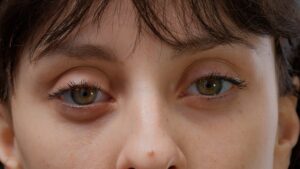
Macro shot authentic portrait of woman with natural skin, beautiful attractive person smiling in front of camera. Female model with positive facial expressions and fresh look. Close up.
Under-eye bags and persistent puffiness are common cosmetic concerns that can make the face appear tired, even when a person feels well-rested. For some individuals, swelling beneath the eyes is temporary and may improve with lifestyle adjustments. For others, the fullness remains visible throughout the day and becomes more noticeable with age. Understanding what causes these changes is an important first step towards choosing an appropriate treatment.
The skin around the eyes is particularly delicate and naturally thinner than the skin in many other areas of the face. As the surrounding tissues change over time, fat deposits, reduced skin elasticity and structural changes can contribute to a fuller appearance beneath the lower eyelids. Genetics, fluid retention and certain lifestyle habits may also influence how prominent under-eye bags become.
For individuals experiencing persistent under-eye puffiness, Eyelid Bag Surgery Dubai may be a treatment option worth discussing with a qualified specialist. Also known as lower blepharoplasty, this procedure focuses on improving the appearance of the lower eyelids by addressing excess fat, loose skin or changes in the underlying tissues, depending on the individual’s anatomy and treatment goals.
At Cornerstone Clinic, understanding the underlying cause of under-eye bags is an important part of evaluating suitable treatment options. This article explores why under-eye bags develop, why they sometimes persist and how eyelid bag surgery may help improve the appearance of the lower eyelid area.
What Are Under-Eye Bags and Why Do They Develop?
Under-eye bags refer to visible fullness, swelling or bulging beneath the lower eyelids. They can affect one or both eyes and may appear as mild puffiness, rounded fat deposits or loose skin that creates folds beneath the eyes.
The appearance of under-eye bags varies from person to person. Some individuals develop noticeable puffiness at a relatively young age because of inherited facial characteristics. Others experience gradual changes as the skin and supporting structures become less firm over time.
Several anatomical changes contribute to this appearance. The lower eyelids contain natural fat compartments that help cushion and protect the eyes. These fat deposits are supported by surrounding tissues. When the supporting structures weaken, the fat can become more prominent, creating a bulging appearance.
Age-related changes in the skin, muscles and connective tissues can make this fullness increasingly noticeable. In some cases, the area beneath the eyes may also develop a hollow appearance, creating a contrast between the lower eyelid and upper cheek.
Understanding whether puffiness is caused by fat protrusion, loose skin, fluid retention or a combination of factors helps determine which treatment approach may be appropriate.
Ageing and Loss of Skin Elasticity
Ageing is one of the most common reasons for persistent under-eye bags. As the skin matures, its natural production of collagen and elastin gradually decreases. These proteins contribute to skin firmness, flexibility and structural support.
The lower eyelid skin is already thin, so even relatively subtle changes in elasticity can become visible. Over time, the skin may begin to loosen and form fine folds or wrinkles beneath the eyes.
The supporting tissues around the lower eyelid can also become less firm. This may allow the natural fat compartments to become more prominent, contributing to visible puffiness.
These changes do not happen at the same rate for everyone. Genetics, sun exposure, facial structure and general skin characteristics all influence how the lower eyelid area changes with age.
When loose skin is a significant contributor to under-eye bags, a specialist may consider whether lower eyelid surgery could help improve the appearance of the area.
Genetics and Inherited Facial Features
Genetics can play an important role in the development of under-eye bags. Some people naturally have more prominent fat compartments beneath their eyes or a facial structure that makes the lower eyelid area appear fuller.
Inherited characteristics may become noticeable during early adulthood, long before age-related skin changes develop. This explains why some individuals experience persistent under-eye bags despite maintaining healthy lifestyles and getting sufficient sleep.
Family facial features can also influence skin thickness, the position of fat deposits and the shape of the transition between the lower eyelid and cheek.
When puffiness is primarily related to inherited anatomy, lifestyle changes alone may not produce a substantial difference. A professional assessment can help identify whether the appearance is caused by structural fullness or temporary swelling.
Fluid Retention and Temporary Under-Eye Puffiness
Fluid retention is another common reason for swelling beneath the eyes. Unlike structural under-eye bags, which tend to remain visible, fluid-related puffiness can fluctuate throughout the day.
Some people notice more swelling when they wake up in the morning. This can happen because fluid accumulates in the tissues around the eyes while lying down.
Several factors may contribute to temporary fluid retention, including:
- High salt intake, which can encourage the body to retain fluid.
- Inadequate or irregular sleep, which may make puffiness more noticeable.
- Seasonal allergies, which can cause irritation and swelling around the eyes.
- Dehydration, which may affect the appearance of the skin.
- Hormonal fluctuations, which can influence fluid balance.
In these situations, addressing the underlying trigger may help reduce puffiness. However, persistent fat protrusion or loose skin will generally not disappear simply by changing sleeping habits or dietary choices.
If swelling is sudden, painful, one-sided or accompanied by changes in vision, medical assessment is important rather than assuming it is a cosmetic concern.
Lifestyle Habits That Can Make Under-Eye Bags More Noticeable
Although lifestyle habits are not always the primary cause of under-eye bags, they can influence their appearance.
Insufficient sleep may contribute to a tired appearance and make existing puffiness more noticeable. Similarly, frequent consumption of salty foods can increase fluid retention, particularly in individuals who are sensitive to changes in sodium intake.
Smoking can also affect skin quality by contributing to oxidative stress and reducing the skin’s ability to maintain healthy collagen. Long-term sun exposure may accelerate visible skin ageing and contribute to reduced elasticity.
Other factors, such as prolonged screen use, may contribute to eye strain and tired-looking eyes, although screen exposure itself does not directly cause fat deposits beneath the lower eyelids.
Maintaining consistent sleep habits, staying hydrated, protecting the skin from sunlight and following a balanced diet may support overall skin health. These measures can help improve temporary puffiness but cannot reliably correct established fat protrusion or significant excess skin.
Why Do Some Under-Eye Bags Remain Despite Lifestyle Changes?
One of the most frustrating aspects of under-eye bags is that they may remain visible even after someone improves their sleep routine, changes their diet or uses skincare products.
This usually happens because not all under-eye puffiness has the same underlying cause.
When the main issue is temporary fluid retention, lifestyle adjustments may make a noticeable difference. However, when fullness develops because of protruding fat compartments or weakened supporting tissues, external skincare products cannot reposition those structures.
Eye creams and moisturisers may improve hydration and the appearance of fine lines. Certain ingredients can also provide temporary cosmetic benefits. Nevertheless, topical products cannot remove deeper fat deposits or restore the original support of the lower eyelid.
Recognising this distinction is essential when considering treatment. Rather than repeatedly trying products that target surface-level concerns, individuals with persistent under-eye bags may benefit from an assessment that examines the anatomy of the lower eyelids.
How Does Eyelid Bag Surgery Address Persistent Puffiness?
Lower blepharoplasty, commonly called eyelid bag surgery, is a surgical procedure designed to improve the appearance of the lower eyelids.
The treatment approach depends on the individual’s anatomy, the amount of excess skin, the position of the fat compartments and the overall condition of the surrounding tissues.
In suitable cases, the procedure may involve removing or repositioning excess fat to reduce prominent bulges beneath the eyes. When loose skin is also present, the surgeon may consider carefully removing excess skin to create a smoother lower eyelid contour.
Some techniques focus on repositioning existing fat rather than removing it entirely. This may help create a more gradual transition between the lower eyelid and cheek, particularly when hollowness is also present.
The aim is not to create an artificial or completely flat appearance. Instead, treatment planning focuses on improving the relationship between the lower eyelid, surrounding skin and cheek area while respecting the individual’s natural facial features.
People considering Eyelid Bag Surgery Dubai should understand that the procedure is not designed to treat every type of under-eye swelling. A specialist must first establish whether the concern is related to structural fat, excess skin, fluid retention or another underlying issue.
Who May Consider Lower Eyelid Bag Surgery?
Lower eyelid surgery may be considered by individuals who have persistent under-eye fullness associated with anatomical changes.
Potential candidates may include people who:
- Have visible fat bulges beneath the lower eyelids.
- Experience loose or excess skin that creates folds beneath the eyes.
- Have under-eye bags that remain noticeable despite healthy lifestyle habits.
- Want to improve the transition between the lower eyelid and cheek.
- Are concerned about age-related changes affecting the lower eyelid contour.
However, not everyone with under-eye puffiness requires surgery. Individuals whose concerns are primarily related to allergies, fluid retention or other temporary conditions may benefit more from addressing those causes.
A consultation allows the specialist to examine skin quality, eyelid support, facial proportions and the specific characteristics of the under-eye area before discussing appropriate options.
What Happens During an Eyelid Bag Surgery Consultation?
A consultation is an important part of planning lower blepharoplasty. The specialist begins by discussing the individual’s concerns, expectations and the changes they would like to achieve.
The lower eyelids are then examined to understand the distribution of fat, the presence of excess skin and the condition of the supporting tissues. The specialist may also assess the relationship between the lower eyelids and cheeks because these areas influence the overall appearance of the eyes.
Medical history, previous eye procedures and relevant health factors may also be reviewed to determine whether surgery is appropriate.
Based on these findings, the specialist can explain the available surgical techniques and whether fat removal, fat repositioning or skin adjustment may be considered.
This personalised approach helps ensure that treatment planning is based on the actual cause of under-eye bags rather than appearance alone.
Understanding Eyelid Bag Surgery Cost in Dubai
The cost of lower eyelid surgery can vary depending on several factors. Every individual has different anatomical characteristics and treatment requirements, so the procedure is not necessarily the same for every patient.
Factors that may influence the overall treatment cost include the complexity of the procedure, the surgical technique selected, the extent of excess skin or fat, the surgeon’s expertise and the facilities involved.
Whether treatment involves fat repositioning, fat removal or additional skin adjustment can also influence the overall plan.
Individuals researching Eyelid Bag Surgery Cost in Dubai should arrange a professional consultation to understand which approach is appropriate for their concerns. A personalised assessment provides a clearer explanation of the recommended procedure and the costs associated with it.
Comparing treatment options should involve more than considering the price alone. Understanding the surgeon’s experience, the proposed technique and the suitability of the procedure is also important when making an informed decision.
Conclusion
Persistent under-eye bags can develop for several reasons, including ageing, inherited facial characteristics, weakened supporting tissues, excess fat and reduced skin elasticity. Temporary puffiness may also result from fluid retention, allergies and lifestyle-related factors.
Understanding the difference between temporary swelling and structural changes is essential when deciding how to address the concern. While healthy habits and suitable skincare may improve the appearance of mild puffiness, they cannot reliably correct prominent fat deposits or significant excess skin.
For individuals with persistent lower eyelid fullness, eyelid bag surgery may offer an option for improving the appearance of the area. At Cornerstone Clinic, a professional assessment can help identify the underlying cause of under-eye bags and determine whether lower blepharoplasty is a suitable approach. The treatment plan should always reflect individual anatomy, expectations and aesthetic goals.
Frequently Asked Questions
1. What is the most common cause of persistent under-eye bags?
Age-related changes are among the most common causes. As the supporting tissues around the eyes weaken, natural fat compartments can move forward and create visible fullness beneath the lower eyelids. Genetics can also contribute to persistent under-eye bags.
2. Can lack of sleep cause permanent under-eye bags?
Lack of sleep can make existing puffiness more noticeable, particularly when fluid accumulates around the eyes. However, it is not usually the sole cause of permanent structural under-eye bags. Consistent sleep habits may improve temporary puffiness but cannot correct protruding fat deposits.
3. Why do I have under-eye bags even when I sleep well?
Under-eye bags can be related to genetics, ageing, excess fat beneath the eyelids or reduced skin elasticity. These structural factors may remain visible regardless of sleep quality. A specialist can assess the underlying cause and discuss appropriate treatment options.
4. Can skincare products remove persistent eye bags?
Skincare products may improve hydration, support skin quality and temporarily reduce the appearance of mild puffiness. However, creams cannot remove excess fat or reposition the deeper tissues responsible for structural under-eye bags.
5. What is eyelid bag surgery?
Eyelid bag surgery, also known as lower blepharoplasty, is a procedure designed to improve the appearance of the lower eyelids. Depending on individual anatomy, it may involve removing or repositioning excess fat and addressing loose skin to create a smoother under-eye contour.
6. Is eyelid bag surgery suitable for younger individuals?
Age alone does not determine suitability. Younger individuals with inherited under-eye bags may be candidates if their concerns are caused by prominent fat compartments and their overall health and eyelid anatomy are suitable for surgery. A professional assessment is necessary.
7. Does eyelid bag surgery remove dark circles?
Lower eyelid surgery primarily addresses structural concerns such as protruding fat and excess skin. Dark circles caused by pigmentation, thin skin or underlying hollows may require a different treatment approach. The expected improvement depends on the cause of the discolouration.
8. How much does eyelid bag surgery cost in Dubai?
The cost depends on the surgical technique, the complexity of the treatment, the surgeon’s expertise and the individual’s anatomical requirements. A consultation helps establish the recommended approach and provides a more accurate estimate of the Eyelid Bag Surgery Cost in Dubai.
9. Can under-eye bags return after surgery?
Surgery can address existing fat protrusion and excess skin, but the natural ageing process continues. Changes in skin elasticity and surrounding tissues may develop over time. Individual results and their longevity vary.
10. How do I know whether I need eyelid bag surgery?
If under-eye fullness remains visible despite adequate sleep and healthy lifestyle habits, it may be related to structural changes rather than temporary swelling. A consultation with a qualified specialist can help determine the cause and whether lower blepharoplasty is appropriate.