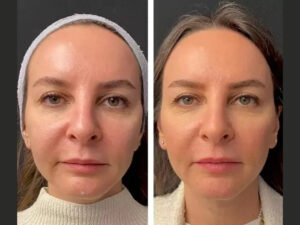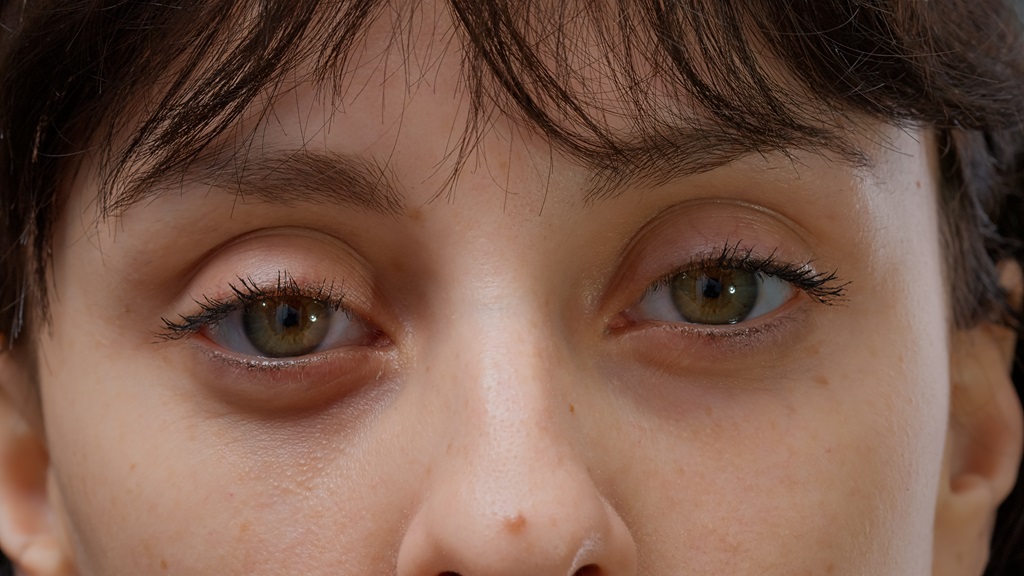
Macro shot authentic portrait of woman with natural skin, beautiful attractive person smiling in front of camera. Female model with positive facial expressions and fresh look. Close up.
Eyelid bag surgery is a procedure considered by people who want to address the appearance of prominent under-eye bags, excess eyelid skin, or changes around the eyes. Before any treatment is planned, a detailed consultation gives the surgeon an opportunity to examine the eyelid area, understand the patient’s concerns, and determine which approach may be appropriate.
For patients considering Eyelid Bag Surgery Dubai, the consultation is an important part of the treatment journey. It is not simply a discussion about removing excess skin. The surgeon considers the anatomy of the upper and lower eyelids, the position of the eyebrows, the amount of skin and fatty tissue, facial proportions, and the patient’s desired appearance.
At Cornerstone, the consultation can provide an opportunity to discuss individual concerns and understand how eyelid surgery may be planned according to the patient’s anatomy.
Understanding the Purpose of the Consultation
The initial consultation is designed to establish a clear understanding of the patient’s concerns and the surgeon’s assessment of the eyelid area.
Some patients may primarily notice bags beneath the eyes, while others may be concerned about excess upper eyelid skin, heaviness around the eyes, or changes in the overall appearance of the eye area.
The surgeon evaluates these concerns individually rather than assuming that every patient requires the same procedure.
The consultation also gives the patient an opportunity to ask questions and understand the proposed treatment before making a decision.
Discussing Your Main Concerns
The consultation generally begins with a conversation about what the patient would like to change.
You may explain whether your main concern involves the upper eyelids, lower eyelids, under-eye bags, excess skin, or the overall appearance of the eye area.
Some patients may feel that the eyes look tired because of changes in the lower eyelids, while others may be more concerned about skin that has become more prominent around the upper eyelids.
Understanding the patient’s priorities helps the surgeon focus the assessment on the areas that matter most.
Reviewing Your Medical and Surgical History
The surgeon may ask about your general medical history and previous procedures involving the eyes or face.
Previous eyelid surgery, facial procedures, eye treatments, or other relevant procedures can be important when planning treatment.
The surgeon may also ask about medications, previous eye-related treatments, and other information relevant to the consultation.
Providing accurate information allows the surgeon to consider the current eyelid anatomy within the appropriate medical and treatment context.
Examining the Upper Eyelids
The upper eyelids are carefully assessed during the consultation.
The surgeon may look at the amount of excess skin, the position of the natural eyelid crease, the relationship between the eyelid and eyebrow, and the overall appearance of the upper eye area.
The surgeon also considers whether the appearance of the upper eyelid is primarily related to excess skin or whether other anatomical features contribute to the patient’s concerns.
This examination helps determine whether upper eyelid surgery may be relevant to the treatment plan.
Assessing the Lower Eyelids
The lower eyelids require a different type of assessment because their anatomy differs from the upper eyelids.
The surgeon may examine the amount of under-eye fullness, skin laxity, and the transition between the lower eyelid and cheek.
The position of the lower eyelid and surrounding tissues can also be considered when developing a treatment plan.
For patients specifically concerned about under-eye bags, this assessment is particularly important in determining what may be contributing to their appearance.
Evaluating Under-Eye Bags
Under-eye bags can develop for several anatomical reasons.
They may be associated with the position of fatty tissue beneath the eye, changes in surrounding tissues, or alterations in the skin and soft-tissue structures.
During the consultation, the surgeon examines the under-eye area carefully to understand the source of the visible fullness.
This allows the proposed treatment to focus on the specific anatomical features contributing to the patient’s concern.
Assessing Excess Eyelid Skin
Skin laxity can affect both the upper and lower eyelids.
The surgeon examines how much excess skin is present and where it is located. The relationship between the skin and underlying structures is also considered.
The amount of skin that may be addressed is not determined by a standard measurement. Instead, it is considered according to the patient’s individual eyelid anatomy.
This assessment contributes to planning a proportionate approach to eyelid surgery.
Examining Eyelid Fat Distribution
Fat distribution around the eyes can influence the appearance of eyelid bags and fullness.
The surgeon assesses the location and prominence of fatty tissue in the upper or lower eyelids.
This is important because eyelid surgery may involve addressing the relationship between skin and underlying fat rather than focusing on skin alone.
The specific approach depends on the patient’s anatomy and the changes they want to address.
Assessing the Eyebrow Position
The position of the eyebrows can influence the appearance of the upper eyelids.
A lower eyebrow position may contribute to a heavier appearance around the upper eye area. For this reason, the surgeon may examine the eyebrow position as part of the consultation.
This helps distinguish between changes originating from the eyelid itself and those influenced by the surrounding facial structures.
The assessment provides a more complete picture of the upper facial area.
Evaluating the Forehead and Upper Face
The forehead and brow are visually connected to the upper eyelids.
The surgeon may consider how the forehead, eyebrows, and eyelids relate to each other when assessing the patient’s concerns.
This broader evaluation helps ensure that the proposed eyelid treatment is considered within the context of the entire upper face.
It can also help explain why two patients with similar eyelid concerns may require different treatment approaches.
Examining Facial Proportions
Facial proportions are another consideration during eyelid surgery planning.
The surgeon looks at the relationship between the eyes, eyebrows, cheeks, nose, and other facial features.
The objective is to understand how the eyelid area fits within the patient’s overall facial structure.
This information can guide decisions about the amount and location of treatment so that the proposed changes correspond with the individual’s natural proportions.
Assessing the Relationship Between the Eyelids and Cheeks
The lower eyelids transition into the upper cheek area, making this relationship important when assessing under-eye bags.
The surgeon may examine the contour between the lower eyelid and cheek and identify whether changes in this area contribute to the appearance of under-eye fullness.
This helps provide a more complete assessment of the lower face and can influence how the treatment is planned.
Discussing Your Desired Appearance
Patients should have an opportunity to explain what they hope to achieve.
Some people may want the eyes to appear less heavy, while others may primarily want to address prominent under-eye bags or excess eyelid skin.
The surgeon can discuss these goals and explain how they relate to the patient’s existing anatomy.
Clear communication helps establish realistic treatment objectives and allows the proposed approach to be personalised.
Reviewing Photographs
Photographs may be taken during the consultation to document the existing appearance of the eyelids.
Images can be captured from different angles and facial positions to provide a more comprehensive view of the eye area.
Photographs can also be useful when planning treatment and comparing the patient’s anatomy during different stages of the treatment process.
They form part of the broader assessment rather than being used as the sole basis for treatment decisions.
Assessing Eye Movement and Facial Expression
The appearance of the eyelids can change when a person moves their eyes, raises their eyebrows, smiles, or makes different facial expressions.
The surgeon may observe the eyelids during various facial movements.
This can provide additional information about how the eyelid tissues interact with the surrounding structures.
Considering movement and expression is particularly relevant when the aim is to plan treatment that remains consistent with the patient’s natural facial characteristics.
Discussing Upper and Lower Blepharoplasty
During the consultation, the surgeon may explain the difference between upper and lower eyelid surgery.
Upper blepharoplasty generally focuses on the upper eyelid, while lower blepharoplasty addresses concerns involving the lower eyelid and under-eye area.
Some patients may have concerns involving both areas, while others may only require an assessment of one.
The appropriate approach depends on the patient’s anatomy and individual goals.
Understanding Blepharoplasty Dubai
Patients researching Blepharoplasty Dubai may come across different surgical approaches and treatment techniques.
However, the appropriate technique cannot be determined solely from online information. A physical consultation is necessary to assess the eyelid structures and understand the patient’s concerns.
At Cornerstone, the consultation allows the surgeon to explain how different approaches relate to the patient’s anatomy and what may be considered during treatment planning.
Discussing Incision Placement
If eyelid surgery is being considered, the surgeon may explain where incisions are typically planned.
For upper eyelid surgery, incision planning takes into account the natural eyelid crease. For lower eyelid treatment, the approach depends on the anatomical features being addressed.
The surgeon can explain how the selected approach relates to the patient’s individual eyelid structure.
This discussion helps patients understand the surgical planning process before treatment.
Considering Existing Facial Procedures
Previous cosmetic or facial procedures may influence eyelid treatment planning.
Patients should tell the surgeon about previous eyelid surgery, brow procedures, facial surgery, or other treatments involving the area around the eyes.
The surgeon can then consider these factors when evaluating the current anatomy.
A complete treatment history helps ensure that the proposed approach is based on the patient’s current facial structure.
Discussing the Treatment Plan
After completing the examination, the surgeon can explain the proposed treatment approach.
This may include discussing which eyelid areas are being considered, whether upper or lower eyelid surgery is relevant, and how the procedure would be planned around the patient’s anatomy.
The surgeon can also explain the purpose of each component of the proposed treatment.
This makes the consultation an important educational stage as well as an assessment.
Asking Questions During the Consultation
Patients should feel comfortable asking questions during the consultation.
Questions may include how the eyelid area will be assessed, which type of procedure may be appropriate, how the incision is planned, and how the treatment relates to facial proportions.
It can also be useful to ask about the general treatment process and what the different stages involve.
Open communication helps both the patient and surgeon establish a clear understanding of the proposed treatment.
Creating a Personalised Treatment Plan
Following the examination and discussion, the surgeon can develop a personalised plan based on the patient’s eyelid anatomy.
The plan may take into account skin laxity, fat distribution, eyelid position, eyebrow position, facial proportions, and the patient’s aesthetic goals.
No two eyelid treatment plans need to be identical because the anatomy around the eyes varies significantly between individuals.
A personalised approach allows the surgeon to focus on the features that are relevant to each patient’s concerns.
Preparing for Your Eyelid Surgery Consultation
Patients can prepare for the consultation by considering what they would like to change about their eye area.
It may be helpful to identify whether the main concern is under-eye bags, excess upper eyelid skin, lower eyelid fullness, or the overall appearance of the eyes.
Patients should also be prepared to discuss their medical and surgical history and provide information about previous procedures involving the eyes or face.
Preparing questions in advance can make the consultation more informative.
Why the Consultation Matters
The consultation establishes the foundation for eyelid treatment planning.
It allows the surgeon to assess the anatomy in detail, understand the patient’s expectations, discuss possible approaches, and explain how the treatment may be tailored to the individual.
For patients considering Eyelid Bag Surgery Dubai, this stage is particularly important because under-eye bags can have different anatomical causes.
A detailed examination helps the surgeon determine what is contributing to the appearance and how those features may be addressed.
Conclusion
The consultation for Eyelid Bag Surgery Dubai is a detailed assessment of the eyelids and surrounding facial structures. The surgeon considers upper and lower eyelid skin, under-eye fullness, fat distribution, eyebrow position, facial proportions, eyelid movement, and the relationship between the eyelids and cheeks.
At Cornerstone, the consultation provides an opportunity for patients to discuss their concerns and understand how eyelid surgery may be planned according to their individual anatomy. For those researching Blepharoplasty Dubai, a personalised assessment is an important step in understanding which approach may correspond with their specific concerns.
Rather than following a standard treatment formula, eyelid surgery planning begins with careful observation and communication. The consultation allows the surgeon and patient to establish treatment goals and develop an approach based on the structure and appearance of the individual eye area.
Frequently Asked Questions
What happens during an eyelid bag surgery consultation?
The surgeon discusses your concerns, reviews your medical and surgical history, examines the upper and lower eyelids, assesses skin and fat distribution, evaluates facial proportions, and discusses potential treatment approaches.
What does the surgeon examine when assessing under-eye bags?
The surgeon may examine the amount and position of under-eye fullness, lower eyelid skin, surrounding tissues, and the transition between the lower eyelid and cheek.
Will the upper eyelids also be examined?
Yes. Even when the main concern involves under-eye bags, the surgeon may assess the upper eyelids, eyebrows, forehead, and surrounding facial structures to understand the overall appearance.
Why is eyebrow position considered during eyelid surgery planning?
The position of the eyebrows can influence the appearance of the upper eyelids. Assessing both areas helps the surgeon understand the overall upper facial structure.
What is the difference between upper and lower blepharoplasty?
Upper blepharoplasty generally focuses on the upper eyelid, while lower blepharoplasty addresses concerns involving the lower eyelid and under-eye area. The appropriate approach depends on individual anatomy.
Will photographs be taken during the consultation?
Photographs may be taken to document the eyelid area from different angles and facial positions. They can contribute to treatment planning and documentation.
Can previous eyelid surgery affect the consultation?
Yes. Previous eyelid or facial procedures can affect the current anatomy. Providing the surgeon with information about previous treatments helps with personalised planning.
Can the consultation determine whether I need upper or lower eyelid surgery?
The consultation allows the surgeon to assess the eyelids and discuss which areas may be relevant to your concerns. The recommended approach depends on the findings of the examination.
What should I tell the surgeon during the consultation?
You should explain your main concerns, desired appearance, previous procedures involving the eyes or face, relevant medical history, and any questions you have about eyelid surgery.
Why are facial proportions considered before eyelid surgery?
The eyelids form part of the overall facial structure. Considering the relationship between the eyes, eyebrows, cheeks, and other facial features helps guide personalised treatment planning.
What should I ask during an Eyelid Bag Surgery Dubai consultation?
You can ask about the areas being assessed, the proposed surgical approach, incision planning, the difference between upper and lower eyelid procedures, and how the treatment plan is tailored to your anatomy.
Where can I discuss Eyelid Bag Surgery Dubai?
Patients considering Eyelid Bag Surgery Dubai can arrange a consultation with Cornerstone to discuss their eyelid concerns, individual anatomy, potential treatment approaches, and personalised surgical planning.