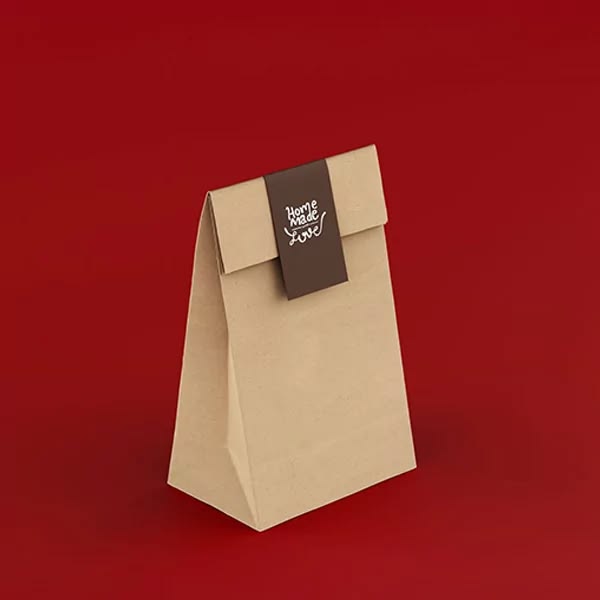
Greaseproof paper bag
Introduction
In the modern food industry, packaging plays an important role in maintaining food quality, improving customer experience, and building brand recognition. One packaging solution that has gained popularity among restaurants, bakeries, cafes, and takeaway businesses is the greaseproof paper bag. Designed to resist oil and grease, these bags provide a convenient and hygienic way to package a wide range of food products. From burgers and sandwiches to pastries, fried snacks, and bakery items, greaseproof paper bags help keep food presentable while reducing greasy stains on customers’ hands and packaging surfaces. They are also available in various sizes, designs, and materials, making them suitable for businesses of different sizes. As demand for more environmentally responsible packaging grows, greaseproof paper bags have become an attractive alternative to many conventional packaging options.
What Is a Greaseproof Paper Bag?
A greaseproof paper bag is a type of food packaging made from specially treated or selected paper that resists the penetration of oils and fats. Unlike ordinary paper bags, which may absorb grease quickly and become weak or stained, greaseproof bags are designed to provide better protection when packaging oily foods. These bags are commonly used in bakeries, fast-food restaurants, coffee shops, food trucks, and takeaway outlets. They can hold items such as croissants, cookies, doughnuts, fries, sandwiches, and other foods containing oil or butter. Depending on the intended application, greaseproof paper bags may feature different paper weights, finishes, sizes, and printing options. Some are plain and simple, while others include custom branding to help businesses promote their products.
Key Benefits of Greaseproof Paper Bags
1. Excellent Grease Resistance
The main advantage of a greaseproof paper bag is its ability to resist oil and fat. Foods such as fried chicken, pastries, and burgers can release grease during storage and transportation. Ordinary paper packaging may develop stains or lose strength when exposed to these substances. Greaseproof paper helps reduce this problem, keeping the packaging cleaner and making food easier to handle. However, the level of resistance depends on the paper grade, construction, and the amount of grease in the food.
2. Improved Food Presentation
Packaging is often the first physical interaction customers have with a food business. Clean, attractive packaging can create a positive impression and make products appear more professional. Greaseproof paper bags help prevent visible oil stains, allowing bakeries, restaurants, and cafes to present their products more neatly. Whether used for takeaway sandwiches or freshly baked pastries, these bags contribute to a better overall customer experience.
3. Convenient and Lightweight Design
Greaseproof paper bags are generally lightweight, easy to store, and convenient for everyday food packaging. Their simple design makes them suitable for busy food businesses that need to package large quantities of products quickly. Many bags can be folded or opened easily, helping staff serve customers efficiently during busy periods. Their lightweight construction can also make them practical for takeaway orders, food counters, and delivery packaging.
4. A More Environmentally Responsible Option
Paper packaging can be a more sustainable choice than conventional plastic packaging when it is responsibly sourced and appropriately managed after use. Many greaseproof paper bags are made from paper-based materials that may be recyclable or compostable, depending on their coatings, additives, inks, and local waste facilities. Businesses looking to reduce their environmental impact should check the product’s material specifications and disposal instructions before making purchasing decisions. Choosing appropriately certified materials and avoiding unnecessary packaging can also support more responsible packaging practices.
Common Uses of Greaseproof Paper Bags
Bakery Products
Bakeries frequently use greaseproof paper bags to package croissants, muffins, cookies, doughnuts, and other baked goods. These products may contain butter, oil, or other fats that can leave marks on standard paper packaging. Grease-resistant bags help maintain a neat appearance and provide a practical way to serve customers who purchase baked goods for takeaway.
Fast Food and Takeaway Meals
Restaurants and fast-food outlets often package burgers, sandwiches, fries, wraps, and fried snacks in greaseproof paper bags. These bags help manage surface grease while providing a convenient option for serving individual portions. For especially oily foods or products that release moisture, businesses should select a suitable bag specification and consider additional packaging where necessary.
Cafes and Coffee Shops
Coffee shops can use greaseproof bags for breakfast sandwiches, pastries, cookies, and snacks. Their lightweight design makes them suitable for quick-service counters and takeaway orders. Custom-printed bags can also help cafes maintain consistent branding across cups, food wrappers, napkins, and other packaging materials.
Food Trucks and Street Food Vendors
Food trucks and street food businesses often need affordable, practical packaging that supports fast service. Greaseproof paper bags offer a useful solution for serving fried snacks, sandwiches, and other handheld foods. They are easy to distribute, require relatively little storage space, and can be selected in sizes suited to different menu items.
Custom Greaseproof Paper Bags for Branding
Custom packaging gives food businesses an opportunity to communicate their brand identity beyond the shop or restaurant. A greaseproof paper bag can be printed with a company logo, business name, website, contact details, or a simple design that reflects the brand’s style. For example, a bakery might choose a natural kraft-paper appearance with minimalist printing, while a burger restaurant may prefer bold graphics and distinctive brand colors. Customized bags can help create a consistent customer experience and make packaging more recognizable. When ordering printed bags, businesses should consider print quality, food-contact compliance, minimum order quantities, and whether the ink and printing process are suitable for the intended application.
How to Choose the Right Greaseproof Paper Bag
Selecting the right bag requires more than comparing prices. Businesses should consider several important factors before placing an order.
Paper quality: Choose paper with grease resistance appropriate for the foods being packaged. Heavier paper is not automatically more grease-resistant, so confirm the product specifications.
Bag size: Select dimensions that comfortably accommodate the food without excessive empty space or unnecessary folding.
Food safety: Ensure the bag is intended for direct food contact and complies with applicable food-contact requirements.
Moisture resistance: Grease resistance does not necessarily mean waterproofing. Foods with high moisture content may require packaging with additional protective properties.
Branding options: If presentation matters to your business, explore available printing methods, colors, and customization choices.
Supplier reliability: Look for a supplier that provides consistent quality, clear specifications, reasonable delivery times, and samples when available. Comparing these factors can help businesses find packaging that balances performance, cost, appearance, and sustainability.
Are Greaseproof Paper Bags Suitable for Hot Food?
Greaseproof paper bags can be suitable for many warm and hot food products, provided they are designed for the intended temperature and application. However, not every greaseproof bag is appropriate for every hot food item. Heat, steam, and condensation can affect the strength and performance of paper packaging. For example, freshly fried foods may release steam that softens paper if ventilation is limited. Businesses should follow the manufacturer’s temperature guidance and avoid using bags that are not approved for direct contact with hot foods. Selecting suitable packaging helps preserve food presentation and reduces the likelihood of leaks, tears, or handling problems.
Why Businesses Should Invest in Quality Greaseproof Paper Bags
Although packaging costs can influence purchasing decisions, choosing the cheapest option is not always the most economical approach. Poor-quality bags may tear, allow grease to penetrate, or fail to protect food adequately. Reliable greaseproof paper bags can support smoother service, improve product presentation, and help businesses maintain consistent packaging standards. Customization may provide additional marketing value by making the brand more recognizable to customers. For businesses with high daily packaging requirements, buying in suitable quantities from a dependable supplier can also help maintain stock availability and control purchasing costs.
Conclusion
A greaseproof paper bag is a practical packaging solution for bakeries, cafes, restaurants, food trucks, and takeaway businesses that need to package oily or fatty foods neatly. Its grease-resistant properties, lightweight design, convenient handling, and customization options make it suitable for a wide variety of food applications. By considering paper quality, size, food safety, temperature suitability, and environmental certifications, businesses can choose packaging that meets their operational needs and customer expectations. With the right product and a reliable supplier, greaseproof paper bags can support better food presentation, efficient service, and a professional brand image.