Hair loss can affect personal confidence, appearance, and the way individuals feel about their overall image. Whether hair thinning develops gradually or occurs because of hereditary factors, choosing an appropriate restoration approach requires careful planning. A hair transplant can be an option for suitable candidates who want to improve hair coverage and create a natural-looking hairline. Understanding the available techniques, treatment goals, and recovery process helps individuals make informed decisions about hair transplant in dubai.
At Beaute Concept clinic dubai, strategic hair restoration focuses on assessing individual needs and planning treatment according to hair characteristics, donor hair availability, facial proportions, and long-term expectations. A personalized approach can help establish realistic goals while prioritizing natural-looking results and appropriate patient care.
Understanding Hair Transplant in Dubai
A hair transplant is a surgical procedure that moves hair follicles from a donor area, commonly the back or sides of the scalp, to areas affected by thinning or hair loss. The objective is to improve hair coverage by placing suitable follicles in areas where additional density is desired.
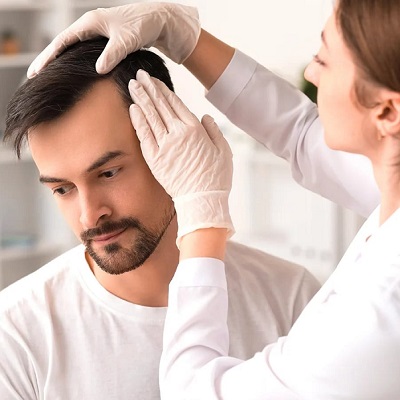
The suitability of the procedure depends on several factors, including the cause of hair loss, the stability of the condition, scalp health, hair thickness, and the availability of donor follicles. A professional consultation helps determine whether transplantation is appropriate and what results may realistically be achieved.
Strategic planning is especially important because hair loss can continue after transplantation. An effective plan considers the current pattern of thinning and the possibility of future changes, rather than focusing exclusively on immediate cosmetic improvement.
How to Choose the Best Hair Transplant in Dubai
Choosing the best hair transplant in dubai involves evaluating more than the expected appearance of the final result. Patients should consider the practitioner’s qualifications, experience with hair restoration, consultation process, surgical standards, and approach to follow-up care.
A thorough assessment should explain the proposed technique, expected graft requirements, donor-area limitations, possible complications, and anticipated recovery. Patients should also understand that hair transplantation does not guarantee a particular density and that outcomes vary according to individual characteristics.
At Beaute Concept clinic dubai, an individualized treatment discussion can help patients understand their restoration priorities and the factors that influence treatment planning. Clear communication before surgery supports informed decision-making and realistic expectations.
The Importance of Personalized Hairline Design
The hairline is a significant feature of facial appearance. Its position, shape, and density influence how natural a hair transplant may look. Designing a suitable hairline requires consideration of facial proportions, age, existing hair growth, and the possibility of future hair loss.
A hairline that is positioned too low or designed without considering long-term changes may create challenges later. Conservative planning can help preserve donor hair for future needs and maintain a balanced appearance as the individual ages.
Hairline design should also account for natural irregularities. A carefully planned transition between the forehead and transplanted hair can help avoid an overly straight or artificial appearance.
Understanding Graft Placement and Hair Density
Grafts contain one or more hair follicles, depending on the characteristics of the transplanted tissue. The number of grafts required depends on the size of the treatment area, existing hair density, hair thickness, and the patient’s restoration goals.
Graft placement involves considering the direction, angle, and distribution of transplanted follicles. These details contribute to how the hair lies and how naturally it blends with existing growth.
Rather than focusing only on the total graft count, treatment planning should balance coverage with donor-area preservation. Attempting to achieve excessive density in a single session may not be appropriate for every patient.
Common Hair Transplant Techniques
Two established techniques are follicular unit transplantation and follicular unit extraction.
Follicular unit transplantation, or FUT, involves removing a strip of scalp tissue from the donor area and separating it into follicular units for transplantation. This technique generally leaves a linear scar.
Follicular unit extraction, or FUE, involves removing individual follicular units from the donor area. It typically leaves multiple small scars rather than one linear scar, although visible scarring can still occur.
The most appropriate technique depends on donor characteristics, hair styling preferences, the required graft number, medical considerations, and the practitioner’s assessment. Patients should receive a clear explanation of the advantages and limitations of the recommended approach.
Who May Be Suitable for Hair Restoration?
Hair transplantation may be suitable for individuals with certain patterns of permanent hair loss who have sufficient healthy donor follicles. However, not everyone experiencing hair thinning is an appropriate candidate.
A consultation should identify the likely cause of hair loss and determine whether it is stable enough for surgical restoration. Temporary shedding, nutritional deficiencies, scalp conditions, and certain medical issues may require different management before transplantation is considered.
Patients with limited donor hair or rapidly progressing hair loss may need alternative or additional strategies. A realistic assessment helps prevent unnecessary procedures and supports more appropriate treatment decisions.
Recovery and Long-Term Hair Growth
Recovery varies according to the technique used, the size of the procedure, and individual healing characteristics. Temporary redness, swelling, tenderness, scabbing, and discomfort may occur during the initial recovery period.
Transplanted hairs commonly shed during the early weeks after surgery. This is an expected part of the hair growth cycle and does not necessarily mean the transplant has failed. New growth generally develops gradually over subsequent months, with fuller results often becoming apparent around 9 to 12 months, although timing varies.
Patients should follow the aftercare instructions provided by their medical team, protect the scalp as advised, and attend recommended follow-up appointments. They should also understand that transplanted follicles do not prevent untreated native hair from thinning over time.
Why Choose the Best Hair Transplant Clinic in Dubai?
Selecting the best hair transplant clinic in dubai requires careful consideration of clinical expertise, patient assessment, hygiene standards, individualized planning, and postoperative support.
A responsible treatment process includes reviewing medical history, examining donor and recipient areas, discussing potential risks, and establishing realistic expectations. Patients should feel comfortable asking questions about the procedure, recovery, possible complications, and long-term maintenance.
At Beaute Concept clinic dubai, personalized consultation can help individuals explore suitable hair restoration options according to their hair characteristics and aesthetic priorities. Treatment decisions should be based on clinical suitability rather than promises of guaranteed density or results.
Frequently Asked Questions
How long does a hair transplant take to show results?
Hair growth develops gradually. Initial shedding is common, and visible new growth typically appears over the following months. Many patients assess fuller results around 9 to 12 months, although the timeline differs between individuals.
Is a hair transplant suitable for everyone?
No. Suitability depends on the cause and progression of hair loss, donor hair availability, scalp health, and general medical factors. A professional evaluation is necessary before deciding on surgery.
Does a hair transplant leave scars?
Yes. Both FUE and FUT can leave scars. FUE usually produces small scattered scars, while FUT generally leaves a linear scar in the donor area. Their visibility varies.
Can a hair transplant provide natural-looking results?
Natural-looking results may be achieved through appropriate hairline design, careful graft placement, and realistic density planning. However, individual outcomes cannot be guaranteed.
Why is long-term planning important?
Hair loss may continue to progress after transplantation. Long-term planning helps preserve donor hair, account for potential future thinning, and maintain balanced coverage as hair characteristics change.
Conclusion
Hair transplantation requires a strategic approach that combines clinical assessment, personalized hairline design, appropriate graft distribution, and realistic expectations. Understanding the available techniques and recovery process can help individuals evaluate whether surgical restoration aligns with their needs.
At Beaute Concept clinic dubai, patients can explore individualized hair restoration planning that considers donor hair availability, existing hair patterns, and long-term goals. Careful preparation and appropriate follow-up are important parts of pursuing natural-looking, sustainable hair restoration.