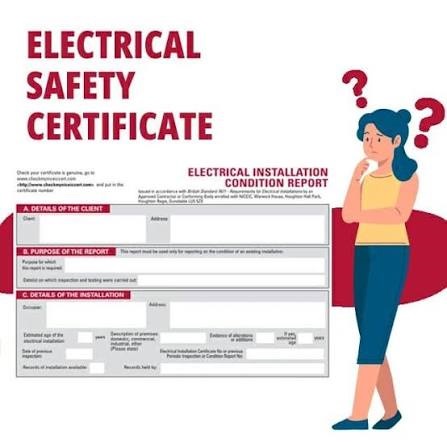
electrical testing and certification
Electrical systems play a key role in homes, offices, shops, factories, and other buildings. When an installation is poorly maintained, faults can develop in wiring, sockets, switches, consumer units, protective devices, and other components. Some problems are easy to spot, while others remain hidden until they cause a failure or create a safety risk.
Electrical testing and certification provides a practical way to assess the condition of an electrical installation and record the results. Through inspection and suitable testing, electrical professionals can identify faults, assess protective measures, and highlight areas that need repair or further investigation. This process supports safer electrical systems and helps property owners make informed maintenance decisions.
Electrical safety is not only about whether lights and sockets work. A system can appear normal while still having faults that need attention. Regular and appropriate testing provides a clearer view of the condition of the fixed electrical installation.
What Is Electrical Testing and Certification?
Electrical testing and certification is the process of inspecting, testing, and documenting an electrical installation.
The scope depends on the type of electrical work and the purpose of the inspection. A newly installed circuit may require an Electrical Installation Certificate, while an existing installation may require an Electrical Installation Condition Report, commonly called an EICR.
Testing can cover several parts of an installation, including:
- Fixed wiring
- Sockets and switches
- Lighting circuits
- Consumer units
- Distribution boards
- Earthing arrangements
- Bonding
- Circuit protection
- Residual current devices
- Other fixed electrical components
The results provide a record of the condition of the installation at the time of testing.
How Electrical Testing and Certification Improves Safety
Electrical testing improves safety by identifying problems that may not be visible during normal use.
A socket may supply power correctly even when a connection behind it is loose. A circuit breaker may operate during normal conditions even though another part of the circuit has deteriorated. These problems can remain unnoticed without proper inspection.
Testing provides a more detailed assessment.
Detecting Electrical Faults
Electrical faults can arise from ageing, damage, poor installation, unsuitable alterations, or excessive electrical demand.
Testing helps identify issues that could affect the safe operation of an installation. Depending on the inspection, this may include problems with continuity, insulation, polarity, earth fault loop impedance, or protective devices.
Early detection gives property owners an opportunity to arrange suitable repairs.
Checking Protective Measures
Protective measures are essential for electrical safety.
An electrical installation uses several forms of protection to reduce the risk associated with faults. These can include circuit breakers, fuses, RCDs, earthing, and bonding.
Testing helps determine whether relevant protective measures are present and operating as expected.
Identifying Deterioration
Electrical components do not remain in the same condition forever. Wiring insulation can deteriorate, accessories can become damaged, and connections can loosen.
Environmental conditions can also affect electrical installations. Moisture, heat, mechanical damage, and building alterations may contribute to deterioration.
Inspection and testing can highlight these conditions before they develop into more serious problems.
The Role of Visual Inspection
Testing does not rely on electrical measurements alone. A visual inspection is also an important part of assessing an installation.
An electrician may look for signs of damage, overheating, exposed conductors, unsuitable accessories, poor connections, missing labels, and inappropriate modifications.
Visual inspection can reveal issues that may require further testing.
For example, a damaged socket may be visible before any electrical measurement is taken. Likewise, signs of overheating around a consumer unit can indicate a problem that needs further investigation.
Electrical Testing and Certification for Existing Installations
Existing installations can change over time.
A property may start with a relatively simple electrical system and later gain additional sockets, lighting circuits, heating equipment, kitchen appliances, extensions, or other electrical loads.
Previous owners or occupants may also have made changes.
An EICR can provide a structured assessment of the existing installation. The report identifies observations and classifies defects according to their significance.
This makes it easier for property owners to understand the condition of the electrical system and decide what action is needed.
Understanding EICR Classification Codes
An Electrical Installation Condition Report uses classification codes to communicate the significance of findings.
C1: Danger Present
A C1 classification indicates that danger is present and immediate remedial action is required.
The issue should be addressed without delay by a competent electrical professional.
C2: Potentially Dangerous
A C2 classification indicates a potentially dangerous condition.
Urgent remedial work is required to reduce the risk associated with the defect.
C3: Improvement Recommended
A C3 classification means improvement is recommended.
It does not normally indicate an immediate danger, but the installation could be improved to provide a better level of safety.
FI: Further Investigation
An FI classification indicates that further investigation is required without delay.
The electrician may need more information or additional testing to establish the extent of the issue.
These classifications help property owners understand the difference between urgent defects and recommendations for improvement.
Why Earthing and Bonding Matter
Earthing and bonding are important parts of electrical safety.
Earthing provides a path for fault current so protective devices can operate under fault conditions. Bonding helps reduce dangerous differences in electrical potential between conductive parts.
Problems with these arrangements can increase the risk of electric shock.
During appropriate electrical testing, the condition and effectiveness of relevant protective arrangements can be assessed.
Testing Consumer Units and Protective Devices
The consumer unit controls and distributes electrical circuits throughout many residential properties.
It normally contains protective devices such as circuit breakers and may include RCD protection.
Inspection can assess the condition of the consumer unit, its connections, labelling, protective devices, and suitability for the installation.
Where RCDs are installed, appropriate testing can help confirm their operation.
Protective devices are important because they can disconnect circuits when certain fault conditions occur. However, they are only one part of a complete electrical safety system.
Electrical Testing for Landlords
Electrical safety is particularly important in rented accommodation because landlords have responsibilities for the condition of fixed electrical installations.
In England, regulations require electrical installations in private rented properties to be inspected and tested at least every five years by a qualified person.
The inspection produces an EICR that records the condition of the installation.
Where dangerous or potentially dangerous defects are identified, landlords must arrange the required remedial action within the applicable timeframe.
Keeping accurate inspection reports and certificates helps landlords maintain proper records and manage electrical safety responsibilities.
Electrical Testing for Homeowners
Homeowners can also benefit from electrical testing.
An inspection can be useful when purchasing an older property, completing major renovation work, extending a building, or experiencing repeated electrical problems.
Testing can also help where the history of electrical alterations is unclear.
Homeowners should not assume that an installation is safe simply because it has worked for many years. At the same time, an older installation is not automatically unsafe.
The condition should be assessed on its actual characteristics and test results.
Electrical Testing Before Buying a Property
A property viewing can reveal obvious electrical concerns, but it cannot replace a professional electrical inspection.
A buyer may arrange an electrical inspection when purchasing an older home or a property with extensive alterations.
The inspection can highlight defects and provide useful information about potential electrical maintenance.
This can help the buyer understand whether further investigation or remedial work may be required.
Electrical Testing During Renovation
Renovation projects often increase the demand placed on an electrical installation.
A property may gain new lighting, sockets, appliances, heating equipment, or other electrical systems.
Adding circuits without considering the existing installation can create problems.
Electrical testing before and after relevant work can help confirm that the installation remains suitable and that completed electrical work has been inspected and tested.
Appropriate certification should be retained with the property’s other electrical records.
Common Electrical Problems Found During Testing
Electrical testing can uncover a wide range of defects.
| Electrical issue | Potential concern |
| Damaged cables | Risk of contact, faults or further deterioration |
| Loose connections | Overheating or unreliable operation |
| Poor earthing | Increased electrical safety risk |
| Faulty protective devices | Reduced protection during faults |
| Damaged sockets | Risk of electrical contact or failure |
| Overloaded circuits | Excessive demand and overheating risk |
| Incorrect polarity | Unsafe circuit operation |
| Poor alterations | Reduced safety and reliability |
| Missing bonding | Inadequate protective arrangements |
| Insulation deterioration | Increased risk of electrical faults |
The significance of a finding depends on the installation and the circumstances. A qualified professional should assess the issue rather than relying on assumptions.
How Often Should Electrical Testing Be Carried Out?
There is no single inspection interval that applies to every property.
The appropriate frequency depends on the type of installation, its condition, use, environment, and applicable legal requirements.
Private rented properties in England have specific inspection requirements. Other properties may be tested according to risk, condition, and professional recommendations.
Testing may also be appropriate after major electrical alterations or when warning signs appear.
Repeated circuit breaker trips, damaged accessories, unusual heat, burning smells, flickering lights, or unexplained electrical faults should be treated as reasons to seek professional advice.
Benefits of Electrical Testing for Property Owners
Electrical testing can provide several practical benefits.
First, it helps identify defects before they become more serious. Second, it creates useful documentation about the installation. Third, it can support property maintenance and planning.
It can also help property owners understand whether an electrical installation needs immediate remedial work or whether improvements can be planned as part of normal maintenance.
For landlords and businesses, proper records can also support ongoing compliance management.
Electrical Testing and Certification Costs
The cost of electrical testing varies according to the property and the scope of the inspection.
A small residential EICR may cost less than an inspection of a large house with many circuits. Commercial and industrial installations can require more time because they may include larger distribution systems, complex wiring, and additional equipment.
Other factors include property location, accessibility, number of circuits, condition of the installation, and whether further investigation is required.
Remedial electrical work is normally charged separately from the inspection.
A low-cost inspection is not necessarily the best choice. Proper testing requires suitable equipment, technical competence, and enough time to complete the inspection correctly.
Choosing a Competent Electrical Professional
The person carrying out electrical testing should have the appropriate competence, knowledge, experience, and equipment for the installation.
Property owners should understand what type of inspection they are purchasing and what documentation they will receive.
It is also useful to ask whether remedial work is included or quoted separately.
A competent professional should explain significant findings in plain language and provide accurate documentation based on the work actually completed.
Keeping Electrical Certificates and Reports
Electrical certificates and reports should be kept as part of the property’s maintenance records.
Important documents may include Electrical Installation Certificates, Minor Electrical Installation Works Certificates, EICRs, test results, and records of remedial work.
Good records can help future electricians understand previous work. They can also support property transactions and ongoing maintenance.
For landlords, keeping relevant documentation is particularly important because electrical safety records may need to be provided to tenants and other relevant parties under applicable requirements.
How Almens Consult Can Help
Almens Consult can help clients manage electrical engineering and electrical safety requirements with a practical and structured approach.
We understand the importance of accurate testing, clear reporting, and suitable recommendations. Our support can help property owners and businesses understand the condition of their electrical systems and identify areas that require attention.
We can assist with electrical engineering requirements, inspection-related needs, safety considerations, and documentation. By focusing on the actual condition of the installation, we help clients make informed decisions about maintenance and remedial work.
For residential, commercial, and other property environments, our aim is to support safer and more reliable electrical systems through professional technical guidance.
Conclusion
Electrical testing and certification is a key part of maintaining electrical safety. It provides a structured method for inspecting installations, identifying defects, checking protective measures, and recording important findings.
Testing can uncover issues that are not obvious during normal use. It can also help property owners plan repairs, maintain records, and meet relevant responsibilities.
From checking wiring and earthing to assessing consumer units and protective devices, a suitable inspection provides valuable information about an electrical installation. When defects are identified, timely remedial work can reduce risk and improve reliability.
For homeowners, landlords, businesses, and property managers, professional electrical testing should form part of a sensible approach to electrical maintenance. Accurate testing, clear certification, and suitable follow-up work can help create safer electrical installations and support long-term property safety.
FAQs
Does electrical testing make an installation safe?
Testing can identify defects and confirm the condition of important parts of an electrical installation. If defects are found, suitable remedial work may be required to address them.
Is electrical testing required for homeowners?
There is not one universal legal testing interval for every owner-occupied home. However, periodic inspection can be useful, particularly for older installations or properties that have undergone major electrical changes.
What is the difference between an EIC and an EICR?
An Electrical Installation Certificate generally relates to new electrical installation work or significant alterations. An EICR assesses the condition of an existing electrical installation.
Can testing find hidden electrical faults?
Appropriate electrical tests can identify some faults that are not visible during a normal visual inspection. The extent of testing depends on the purpose and scope of the inspection.
What should I do if an electrical inspection finds a C1 or C2 defect?
C1 and C2 findings indicate serious safety concerns. The issue should be addressed by a competent electrical professional as soon as appropriate.
Can an old electrical installation still be safe?
Yes. Age alone does not determine whether an installation is safe. Its condition, design, protective measures, alterations, and test results all need to be considered.