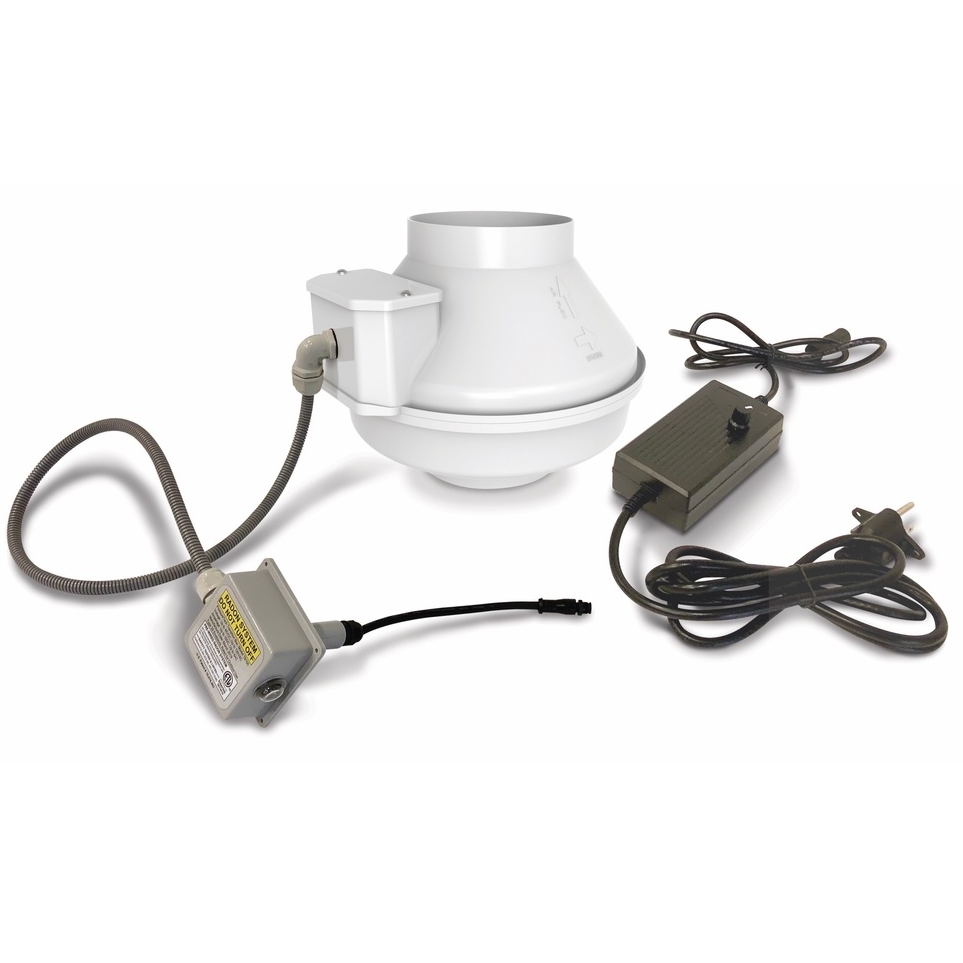
A home can look clean and feel comfortable while still containing an invisible threat: radon. This naturally occurring radioactive gas can enter through cracks, joints, sump openings, and other pathways in a foundation. Once trapped indoors, concentrations can rise over time. A properly selected system, such as the Amg eagle extreme radon fan, can help move radon from beneath a home to the outdoors and make indoor air safer.
Why Radon Matters for Indoor Air Safety
Radon is an invisible and odorless radioactive gas that comes from the natural breakdown of uranium in soil, rock, and water. Because people cannot see, smell, or taste it, a home can have elevated radon without showing any obvious warning signs.
The main concern is long-term exposure. When radon is inhaled, its radioactive decay products can become lodged in the lungs. Repeated exposure over many years can increase the risk of lung cancer.
The Centers for Disease Control and Prevention identifies radon as the second leading cause of lung cancer in the United States after cigarette smoking. The risk makes testing and reduction important parts of a responsible home safety plan.
Another challenge is that radon levels can vary considerably from one property to another. Two homes on the same street may have completely different readings because of differences in soil, foundation construction, ventilation, and pressure conditions.
For this reason, homeowners should not assume that a newly built, well-maintained, or recently renovated property is automatically protected.
How Radon Gets Inside a Home
Radon usually enters a building from the soil beneath or around its foundation. The gas can follow small openings that may seem insignificant during a routine inspection.
Common entry points include:
- Cracks in concrete floors
- Foundation wall cracks
- Construction joints
- Gaps around pipes and utility lines
- Sump pits
- Floor drains
- Crawl spaces
- Gaps beneath suspended floors
- Openings around plumbing or electrical services
Indoor air pressure can also contribute to radon entry. When air pressure inside a building becomes lower than the pressure in the soil beneath it, the home can draw soil gas inward.
This is why sealing visible cracks alone does not always solve a radon problem. A comprehensive approach should address both entry pathways and the pressure conditions that allow radon to enter.
How Radon Mitigation Systems Work
A radon mitigation system is designed to reduce the amount of radon entering and accumulating inside a building. The most common approach uses a vent pipe and fan to draw radon-containing soil gas from beneath the structure and discharge it outdoors.
The basic process is straightforward.
First, a collection point is created beneath or near the foundation. Next, a pipe connects that collection area to a fan. The fan continuously creates suction, helping pull soil gas away from the occupied portion of the home.
The extracted gas is then released safely outside. This process reduces the amount of radon available to enter indoor spaces.
The Role of a Radon Fan
The fan is one of the most important components of an active mitigation system. It needs to provide appropriate airflow and suction for the specific building and pipe configuration.
An extreme radon fan can be useful when a system requires stronger airflow or has characteristics that demand a particular fan capacity. However, homeowners should not select a fan based solely on its advertised power.
A professional should consider the building’s foundation type, pipe length, number of suction points, pressure requirements, and other installation factors before choosing equipment.
An oversized or incorrectly installed fan may not deliver the expected results. Proper system design matters just as much as the fan itself.
Key Ways Mitigation Systems Improve Indoor Air Safety
A properly designed mitigation system does more than move air. It addresses the source of the problem by controlling soil gas before it can accumulate inside living areas.
| Mitigation Feature | How It Helps | Practical Benefit |
|---|---|---|
| Soil suction | Pulls radon-containing soil gas away from the foundation | Reduces indoor radon entry |
| Radon fan | Maintains airflow through the vent system | Supports continuous soil-gas removal |
| Sealing openings | Limits pathways into the home | Improves system efficiency |
| Vent pipe | Carries soil gas outdoors | Keeps extracted gas away from living spaces |
| System monitoring | Helps identify performance problems | Supports ongoing protection |
| Post-installation testing | Measures actual indoor radon levels | Confirms whether mitigation is working |
It Reduces Radon at the Source
One major advantage of active mitigation is that it tackles the pathway between soil and indoor air.
Instead of simply diluting contaminated indoor air, the system works to intercept soil gas before it reaches occupied areas. This approach can provide more dependable long-term control than relying only on open windows or portable ventilation.
It Helps Maintain Lower Radon Levels
Radon levels can change with weather, soil conditions, building pressure, and ventilation patterns. A properly operating system continuously removes soil gas rather than depending on occasional homeowner action.
That continuous operation is particularly valuable during colder months, when windows are often closed and homes may have less natural ventilation.
It Supports a Healthier Living Environment
Reducing indoor radon exposure is an important part of protecting long-term health. The goal is not to make a home completely free of radon, because radon is naturally present in the environment.
Instead, the objective is to reduce indoor concentrations as much as reasonably possible. Lower exposure means a lower potential health risk over time.
Why Sealing Cracks Still Matters
A radon fan should not be viewed as the only part of a mitigation strategy. Sealing appropriate foundation openings can complement soil suction and help improve overall system performance.
Professionals may seal cracks, joints, and other openings where practical. However, sealing alone is generally not considered a substitute for a properly designed mitigation system when elevated radon levels require active reduction.
The reason is simple: soil gas can find multiple routes into a structure. Closing one opening does not necessarily eliminate the pressure that draws gas through another.
A combination of source control, appropriate sealing, and continuous soil-gas removal can provide a stronger overall strategy.
Choosing the Right Radon Fan
Selecting a radon fan should be based on system requirements rather than marketing claims. Different homes create different levels of resistance within the mitigation piping.
Consider System Design
Before selecting an extreme radon fan, evaluate:
- The foundation design
- Soil conditions
- Number of suction points
- Pipe diameter and length
- Vertical pipe height
- Required airflow
- Required suction pressure
- Electrical requirements
- Fan placement
- Manufacturer specifications
A basement with a simple suction point may require different equipment from a large property with multiple collection points.
Check Fan Reliability
A mitigation fan may operate continuously, so reliability is an important consideration. Look for equipment designed specifically for radon mitigation rather than attempting to adapt an ordinary household ventilation fan.
Noise can also matter. If a fan is installed near a bedroom, living space, or outdoor entertainment area, homeowners may prefer a system designed to operate effectively without creating unnecessary disturbance.
Think About Energy Use
Because active radon fans can operate around the clock, energy consumption deserves attention. A qualified installer can help balance system performance with efficient operation.
The goal is not simply to choose the strongest fan available. It is to choose equipment that delivers the required performance for the specific mitigation system.
Why Professional Installation Makes a Difference
Radon mitigation is more technical than simply installing a fan and pipe. A professional needs to understand how air pressure, soil conditions, foundation design, and ventilation interact.
A poorly designed system may fail to reduce radon sufficiently. In some situations, incorrect modifications can even interfere with other combustion appliances or create unwanted pressure effects.
Professionals can also determine whether one suction point is sufficient or whether a property requires multiple points. They can inspect the existing foundation and select a suitable location for the fan and exhaust route.
For homeowners dealing with elevated radon, professional assessment can therefore prevent trial-and-error installation.
Testing Before and After Mitigation
Testing is the foundation of any effective radon reduction plan. Since radon cannot be detected by sight or smell, measurement is the only dependable way to determine whether a home has elevated levels.
The U.S. Environmental Protection Agency recommends action when radon levels reach 4 picocuries per liter (pCi/L) or higher. It also encourages homeowners to consider reducing levels between 2 and 4 pCi/L.
After a mitigation system is installed, testing should be repeated to determine whether the system is achieving the intended reduction.
Why Retesting Matters
A fan can be running while a system still performs poorly. Possible causes include:
- Insufficient suction
- Incorrect pipe configuration
- Foundation changes
- System leaks
- Fan failure
- Changes caused by remodeling
- New pathways for soil gas
Post-installation testing provides measurable evidence instead of relying on assumptions.
Homeowners should also consider periodic testing, particularly after major renovations or significant changes to the building.
Common Mistakes Homeowners Should Avoid
Even well-intentioned homeowners can make decisions that reduce the effectiveness of radon control.
Relying Only on Ventilation
Opening windows and using fans can temporarily lower radon concentrations. However, natural ventilation should not be treated as a permanent mitigation strategy because its effectiveness changes with weather and building conditions.
Choosing a Fan by Size Alone
A bigger fan is not automatically a better fan. System resistance, suction requirements, pipe configuration, and building design all affect the correct equipment choice.
Ignoring the Warning Signs of Fan Failure
A mitigation system that suddenly becomes quiet may not necessarily be functioning normally. Homeowners should monitor system indicators and investigate unusual changes in fan operation, noise, or pressure.
Skipping the Follow-Up Test
Installing equipment without checking the resulting radon level leaves an important question unanswered: did the system actually solve the problem?
Always measure the home’s radon level after mitigation work.
Maintaining a Radon Mitigation System
Once installed, a radon system should receive basic attention just like other important home equipment.
Homeowners can periodically check whether the system appears to be operating normally. Depending on the system, a manometer or other indicator may provide a simple visual confirmation that the fan system is functioning.
Keep the area around the fan and vent components accessible. Avoid blocking or modifying exhaust outlets, and contact a qualified professional if the system develops unusual sounds or performance problems.
It is also wise to retest the home periodically. Renovations can change airflow and pressure conditions, potentially affecting radon levels.
When Homeowners Should Consider Mitigation
Every home is different, so testing should guide the decision. Mitigation is especially important when testing identifies elevated radon concentrations.
Homeowners should consider taking action when:
- The home has never been tested.
- A test shows elevated radon.
- A basement is converted into a bedroom or office.
- Major foundation or remodeling work changes the structure.
- Previous mitigation equipment is no longer functioning correctly.
- Follow-up testing shows that radon remains elevated.
If a test produces a high reading, homeowners should avoid making equipment decisions based on guesswork. A qualified radon professional can assess the property and recommend a suitable system.
Practical Tips for Better Indoor Air Safety
Radon reduction works best as part of a broader approach to home maintenance.
Start by testing the home. Keep records of test results and mitigation work so changes can be tracked over time.
If mitigation is needed, use a qualified professional and ask about the proposed system design. Find out where the suction point will be located, how the exhaust will be routed, and what type of fan will be installed.
After installation, test again. If the result remains higher than expected, contact the installer rather than assuming that additional ventilation will solve the problem.
Finally, retest after significant remodeling. Changes to floors, foundations, HVAC systems, or lower-level living areas can alter the way soil gas moves through a building.
Conclusion
Radon may be invisible, but homeowners do not have to remain powerless against it. A properly designed mitigation system can actively draw soil gas away from the foundation, vent it outdoors, and reduce the amount of radon accumulating in indoor air. The fan plays a central role, but successful mitigation depends on the entire system, including proper design, sealing, installation, testing, and maintenance. Homeowners should begin with reliable testing and then work with qualified professionals when elevated levels are found. By treating radon as a measurable indoor air concern rather than an invisible mystery, families can take practical steps toward a safer and healthier home environment.
FAQs
1. How does a radon mitigation system improve indoor air safety?
A mitigation system helps reduce indoor radon by drawing soil gas from beneath or around the foundation and directing it outdoors. Lower indoor radon concentrations can reduce long-term exposure.
2. Is a radon fan necessary for every mitigation system?
Not every radon control approach uses the same equipment. However, active soil-depressurization systems commonly use a fan to create suction and continuously move soil gas outdoors. The appropriate setup depends on the home’s construction and radon conditions.
3. How do I know whether my radon fan is working?
Many active systems include a visual indicator, such as a manometer, that helps show whether the system is operating within its expected range. Unusual noises or changes in the indicator should be investigated by a qualified professional.
4. Can sealing foundation cracks eliminate the need for a radon system?
Sealing cracks can help limit entry pathways, but it may not be enough when a home has elevated radon. Soil gas can enter through several routes, so active mitigation may be necessary to control the underlying pressure and gas movement.
5. Should I test my home again after installing a mitigation system?
Yes. Post-installation testing is important because it confirms whether radon levels have actually decreased. Retesting after remodeling or other major changes to the home is also a sensible precaution.