An old car can become a problem when it no longer runs, needs costly repairs or takes up space on your property. You might have a damaged vehicle sitting in your driveway or an unused car that has not moved for months. Selling such a vehicle through a private advertisement can take time and involve several steps. This is where Cash for Cars Tumbling Waters services can help local vehicle owners find a way to sell unwanted cars.
If you have an old, damaged or unwanted vehicle, take some time to explore your selling options and learn how the collection process works. You can also visit the website below to learn more about car removal services in the Northern Territory.
For many vehicle owners, selling a car is not always as simple as finding a buyer. Mechanical faults, registration issues and accident damage can make the process harder. Car Removal Tumbling Waters services provide another option for people who want to sell vehicles in different conditions.
Why Do People Sell Unwanted Cars in Tumbling Waters?
There are several reasons why people decide to sell their vehicles. Some cars reach an age where regular repairs become too costly. Others may suffer serious mechanical damage or remain unused for a long period.
Here are some common reasons people consider selling their cars.
1. Expensive Mechanical Repairs
Older vehicles can develop problems with their engines, transmissions, cooling systems and electrical parts. These repairs may cost more than the vehicle is worth.
For example, an engine replacement can involve a large expense. If the car also needs new tyres, brakes or suspension parts, repairing it may not make financial sense.
Selling the vehicle can help the owner avoid spending more money on a car that may continue to develop problems.
2. Accident-Damaged Vehicles
Road accidents can leave vehicles with damaged panels, broken windows, bent frames or serious mechanical faults.
Some accident-damaged cars are not suitable for driving. Repairing them may require replacement parts and specialist work.
Owners who do not want to repair their damaged vehicles can consider selling them to a car removal service.
3. Unregistered Cars
Registration costs can become an issue when a vehicle is no longer being used. Some owners choose not to renew registration because the car has mechanical problems or has been sitting unused.
An unregistered vehicle can still have parts or scrap material that may interest a vehicle buyer.
However, owners should check the requirements for selling and transporting an unregistered car.
4. Moving to Another Location
People sometimes move away from Tumbling Waters for work, family or personal reasons. They may not want to transport an older vehicle to their new location.
Selling the car before moving can reduce transport arrangements and help clear space on the property.
5. Buying Another Vehicle
When someone purchases a newer car, the older one may no longer be needed. Keeping two vehicles can mean extra registration, insurance and maintenance costs.
Selling the unwanted car can help the owner manage these expenses.
What Types of Cars Can You Sell?
Car removal services may accept different vehicle types, depending on their collection areas and purchasing requirements.
You do not always need to own a vehicle that is in good working order.
Old and Used Cars
Older cars may still contain useful parts, metal and other materials. Even when a vehicle has high kilometres, it may have components that can be recovered.
Damaged Cars
Vehicles with accident damage, broken body panels or mechanical faults may still have scrap or parts value.
The amount offered will depend on the type of damage and the condition of the remaining components.
Scrap Cars
A scrap car may no longer be suitable for road use. It could have a damaged engine, rusted bodywork or missing components.
Although the vehicle may not be suitable for normal driving, its metal and reusable materials may still have a purpose.
Unwanted Four-Wheel Drives
Four-wheel drives are common in many parts of the Northern Territory. Some owners eventually sell them because of age, mechanical faults or changing transport needs.
A damaged or unused four-wheel drive may also be considered for removal.
Vans and Utility Vehicles
Old vans and utes can take up considerable space when they are no longer in use. Businesses and private owners may choose to sell these vehicles instead of keeping them on their properties.
Understanding Cash for Cars Tumbling Waters Services
Selling an unwanted vehicle involves more than agreeing on a price. You should also understand how the buyer assesses the car, arranges collection and handles the paperwork.
A typical Cash for Cars Tumbling Waters process includes a few important stages.
Step 1: Provide Your Vehicle Details
Start by sharing basic information about your vehicle. This may include:
- Vehicle make and model
- Manufacturing year
- Registration status
- Current condition
- Kilometre reading
- Engine and transmission condition
- Location of the vehicle
Providing correct information helps the buyer understand what type of vehicle you want to sell.
Step 2: Receive a Vehicle Assessment
The buyer may ask questions about the car before discussing an offer.
Some buyers may also request photographs to check the vehicle’s exterior, interior and mechanical condition.
The assessment can help determine whether the car is suitable for resale, dismantling or recycling.
Step 3: Discuss the Offer
Once the buyer has reviewed the details, you can discuss the proposed payment.
The amount may depend on the vehicle’s condition, age, make, model and demand for its parts.
It is sensible to understand how the offer has been calculated before accepting it.
Step 4: Arrange Vehicle Collection
If you accept the offer, the next step is to organise collection.
A vehicle that cannot be driven may require a tow truck or another suitable transport method.
Confirm the collection location and timing before making final arrangements.
Step 5: Complete the Sale
Before handing over the vehicle, make sure the required documents are ready.
Remove your personal belongings and check the vehicle for items stored in the glove box, boot and under the seats.
You should also confirm the payment arrangements and complete the relevant transfer or disposal paperwork.
What Affects the Price of an Unwanted Car?
Not every unwanted vehicle has the same market value. Several factors can affect the amount a buyer may offer.
Vehicle Make and Model
Some vehicle makes and models have parts that remain in demand. Engines, gearboxes, doors, mirrors and electronic components may influence the buying decision.
Age and Kilometres
The age of a vehicle and its kilometres can help indicate its general condition.
A car with lower kilometres may have more reusable parts, although this is not always the case.
Mechanical Condition
The engine, transmission, suspension and other mechanical systems can affect the vehicle’s condition.
A car with a working engine may have a different price from one with major mechanical damage.
Exterior and Interior Condition
Rust, accident damage, broken windows and damaged interiors can influence an assessment.
However, a vehicle does not need to look perfect to have potential scrap or parts value.
Current Scrap Metal Demand
Scrap metal prices can change over time. Steel, aluminium and other materials recovered from vehicles may influence the amount a buyer is willing to pay.
Location and Collection Requirements
The distance between the collection point and the buyer’s operating area may also affect arrangements.
Access to the vehicle, road conditions and the type of transport required can play a part in the collection process.
How to Prepare Your Car Before Collection
Preparing your vehicle before collection can help prevent problems on the day.
Follow these steps before handing it over.
Remove Personal Belongings
Check every part of the vehicle for personal items. Look inside the glove box, centre console, boot and storage compartments.
Do not forget to remove documents, sunglasses, tools and other belongings.
Remove Number Plates if Required
Check the applicable Northern Territory requirements for number plates when disposing of a vehicle.
Depending on the circumstances, you may need to return the plates or complete other registration-related steps.
Gather the Necessary Documents
Prepare documents that establish your ownership of the vehicle. These may include identification and registration details.
If you do not have the registration papers, ask the buyer or relevant authority what alternative documents are required.
Describe Any Known Problems
Tell the buyer about mechanical faults, accident damage and missing parts.
Accurate information can help avoid disagreements when the vehicle is inspected.
Make the Vehicle Accessible
Ensure the collection truck can reach the vehicle.
If the car is parked behind another vehicle or in a narrow driveway, explain the situation before collection is arranged.
Car Removal and Recycling in Tumbling Waters
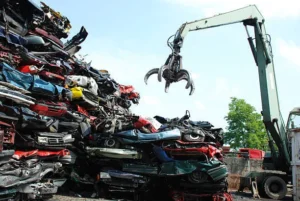
Vehicle recycling plays an important role in reducing unnecessary waste. Old cars contain materials that can often be recovered and used again.
When a vehicle reaches the end of its working life, recycling may be a suitable option.
Recovering Reusable Parts
Some vehicle components can be removed and assessed for further use.
Depending on their condition, these may include:
- Engines
- Gearboxes
- Alternators
- Starter motors
- Doors
- Mirrors
- Wheels
- Batteries
Reusing suitable components can reduce the need to manufacture replacement parts.
Separating Scrap Materials
Vehicles contain different types of materials, including steel, aluminium, copper and plastic.
During the recycling process, these materials can be separated for further processing.
Recovering metals helps reduce the amount of material that would otherwise go to landfill.
Handling Vehicle Fluids
Old vehicles may contain engine oil, coolant, brake fluid and other substances that need careful handling.
These fluids should not be poured onto the ground or into drains.
Proper vehicle dismantling and recycling practices help reduce the risk of environmental contamination.
Reducing Unwanted Vehicle Waste
Cars that remain unused for years can take up valuable space and gradually deteriorate.
Arranging removal gives owners an opportunity to clear the area while allowing suitable vehicle materials to enter the recycling process.
Choosing a Car Removal Service in Tumbling Waters
Before selecting a buyer, take time to check the details of the service.
A few important points can help you make an informed decision.
Check the Collection Area
Confirm that the buyer services Tumbling Waters and can collect your vehicle from its current location.
Do not assume that every Darwin or Northern Territory car removal operator covers all surrounding areas.
Ask About Collection Charges
Find out whether towing or collection costs apply.
You should know whether any charges will be deducted from the agreed payment.
Confirm the Payment Method
Ask how and when payment will be made.
Make sure the payment arrangements are clear before handing over your vehicle.
Discuss the Required Paperwork
Vehicle sales and disposal can involve different requirements depending on registration and ownership circumstances.
Check that you understand your responsibilities before completing the sale.
Compare Available Offers
If you have time, contact more than one buyer and compare their offers.
Look at the payment amount, collection arrangements and any additional costs before making a decision.
Why Local Vehicle Owners May Consider PS Car Removal
People looking to sell unwanted vehicles in the Northern Territory can explore the services offered by PS Car Removal. The business provides car removal services through its website, where vehicle owners can find information about selling old, damaged and unwanted cars. Before arranging a collection in Tumbling Waters, owners should contact the business to confirm service availability, vehicle requirements, payment arrangements and collection details.
Common Questions About Selling Unwanted Cars in Tumbling Waters
Can I Sell a Car That Does Not Start?
Yes, some vehicle buyers accept cars that do not start. The vehicle may be assessed for reusable parts or scrap materials. Tell the buyer about the mechanical problem before arranging collection.
Can I Sell an Accident-Damaged Vehicle?
Yes, accident-damaged vehicles may still be considered by car removal businesses. The offer will depend on the extent of the damage and the condition of the remaining parts.
Do I Need Registration to Sell My Car?
A registered vehicle is not always necessary when selling an unwanted car. However, you should check the ownership and disposal requirements that apply in the Northern Territory.
Can I Sell a Car Without Its Registration Papers?
This depends on your circumstances and the buyer’s requirements. You may need other documents to establish ownership. Contact the relevant authority if you are unsure about the required paperwork.
How Is the Price of a Scrap Car Calculated?
The price may depend on the vehicle’s weight, metal content, make, model, condition and reusable components. Scrap metal market conditions can also influence the offer.
Should I Remove Personal Items Before Collection?
Yes. Remove all personal belongings, documents and valuables before the vehicle is collected. Check the boot, glove box and storage areas carefully.
Conclusion
Selling an unwanted vehicle does not have to involve keeping it on your property for years or spending money on repairs that may not be worthwhile. Vehicle owners in Tumbling Waters can explore car removal services as another way to sell old, damaged, unregistered and scrap vehicles.
Understanding the assessment process, checking the payment arrangements and preparing the required documents can help you avoid unnecessary problems. It is also worth considering vehicle recycling, as suitable parts and materials may have further uses.