Introduction:
Kitchen plans fail for boring reasons: a wall is out of square, a fridge door needs more swing room, or a missing filler panel stops a cabinet door from opening. This guide helps publishers and businesses explain a repeatable planning process that keeps projects moving.
It shows who Ikea Kitchen Cabinets fit best, how the system works, what drives pricing, and the layout mistakes that cause the most rework with this system.
Quick Snapshot: Are IKEA Kitchen Cabinets Worth It?
Ikea Kitchen Cabinets are a strong match for budgets that want a modern look without custom-cabinet pricing. They’re usually best for budget remodels, modern homes, rentals, and DIY buyers who measure carefully.
They’re less ideal for highly irregular rooms, extremely tight timelines, or projects that demand full custom millwork.
Verdict: Ikea Kitchen Cabinets are often worth it when planning accuracy and cost control matter more than one-off customization.
IKEA Kitchen Cabinets Systems Explained (So You Buy the Right One)
SEKTION cabinet system overview
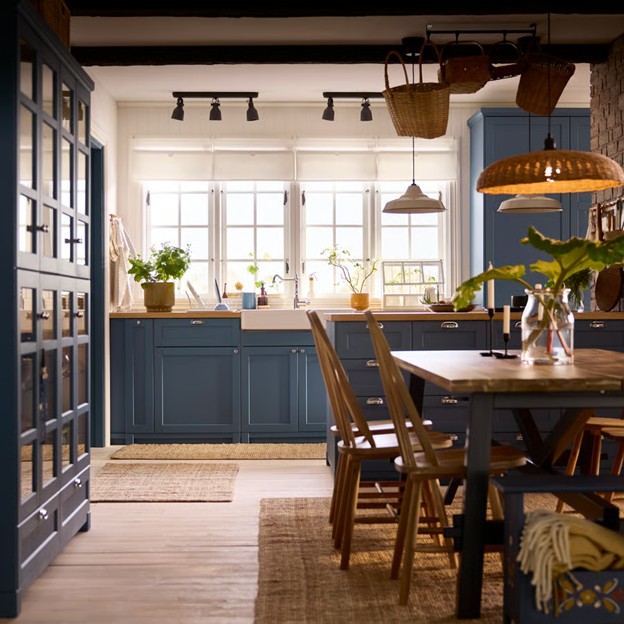
In many regions, the core system is SEKTION: modular cabinet frames that hang on a suspension rail. The planning benefit is consistency. Ikea Kitchen Cabinets can be arranged in set widths and heights, then refined with fillers, panels, and trim.
Door/front options (styles + finishes)
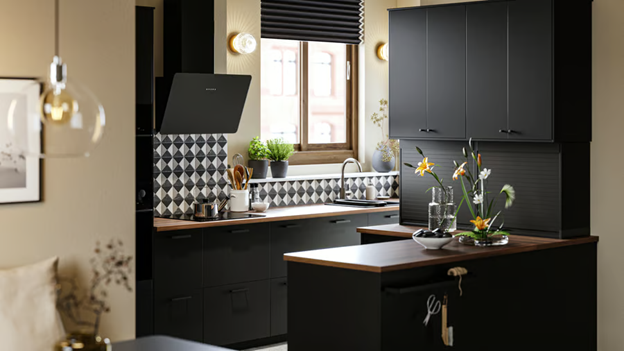
The “face” of Ikea Kitchen Cabinets comes from doors and drawer fronts. Slab fronts feel modern. Shaker-style fronts feel timeless. Matte finishes and wood-effect options are trending into 2026 because they hide fingerprints and soften the space.
Drawer/hinge hardware overview
Most buyers prefer more drawers and fewer deep shelves. Soft-close drawers and hinges reduce slamming and help the fronts stay aligned.
Interior organizers and storage upgrades
Organizers, pull-outs, and corner solutions improve daily use, but they can raise the bill quickly. They should be priced early, not added at the end.
IKEA Kitchen Cabinets Cost (Full Breakdown)
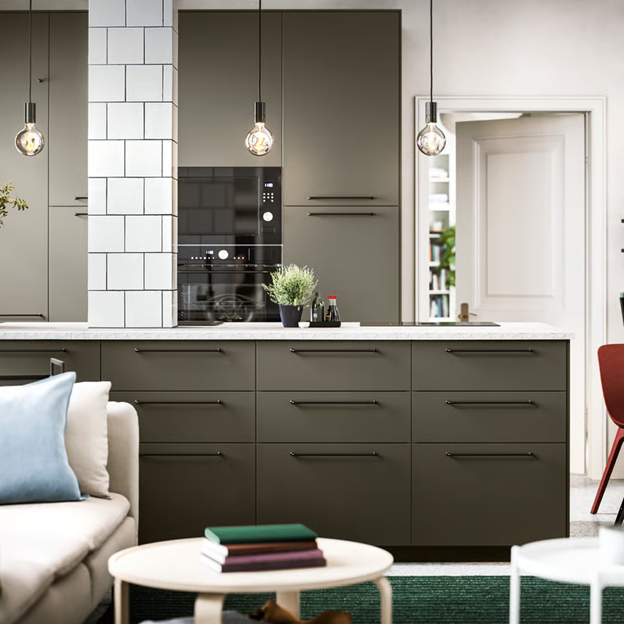
The phrase “ikea kitchen cabinets cost” is really a bundle: frames + fronts + drawers + panels + labor + delivery.
Cost thinking by kitchen size
Small kitchens use fewer frames but can need more fillers. Medium kitchens often deliver the best value. Large kitchens usually add tall pantry units, more drawers, and more panels.
What increases price the fastest
Ikea Kitchen Cabinets get more expensive when a plan adds wide drawer stacks, tall pantry walls, premium fronts, and lots of internal accessories.
Hidden costs people forget
This is where “ikea kitchen cabinet prices” often surprise shoppers:
- Delivery, carry-in, and packaging disposal
- Fillers, end panels, cover strips, and toe-kicks
- Handles/knobs, lighting add-ons, and organizers
- Worktop cuts for sinks and cooktops
- Installation labor plus plumbing/electrical changes
Three realistic budget scenarios
- 1) Value refresh: simple fronts, fewer drawers, limited organizers, DIY assembly
- 2) Balanced upgrade: more drawers, better organizers, mixed DIY/pro help
- 3) Premium look: tall pantry run, heavy drawer use, upgraded fronts, pro install
Quality & Durability: How Long Do IKEA Cabinets Last?
Materials
Many boxes and fronts use engineered materials designed for stability and repeatable sizing. The real durability test is moisture control near sinks and dishwashers.
Everyday durability
Heat and steam are normal. Standing water is the problem. Quick leak fixes and good ventilation protect edges and finishes.
How to extend life
Seal around sinks, use soft-close where possible, avoid harsh abrasives, and keep edges dry. Those habits help Ikea Kitchen Cabinets stay cleaner and last longer.
Sizes, Layout & Planning Tips (Avoid Expensive Mistakes)
Measuring checklist
Good planning starts with real measurements:
- Wall lengths measured at multiple points
- Ceiling height and soffits
- Window/door casing depth and swing
- Plumbing, vents, and shutoff access
- Electrical outlets and appliance power needs
- Floor level changes (important before rail placement)
Common layout mistakes to avoid
These issues show up again and again with Ikea Kitchen Cabinets:
- No filler at a wall, so a door hits trim
- Corner cabinets that block drawer pull-outs
- Tight appliance bays with no breathing room
- Dishwasher doors colliding with nearby handles
- Too little landing space near sink, stove, or fridge
Planning tools
The IKEA kitchen planner can produce a parts list and help visualize changes. The key is to validate the plan on-site before ordering – especially corners, end panels, and appliance clearances for Ikea Kitchen Cabinets.
Before ordering
Re-check appliance spec sheets, confirm fillers and toe-kicks, and add a small buffer for spare hardware. This step prevents a one-part delay that can pause Ikea Kitchen Cabinets installation.
Installation Guide (DIY vs Pro)
DIY difficulty level
These are flat-pack kitchen cabinets, so assembly is approachable. The hard part is installation accuracy. Level rails and square cabinet runs are what make Ikea Kitchen Cabinets look “built-in.”
Tools needed
Tape measure, stud finder, level, drill/driver, clamps, and the right anchors for the wall type.
Key steps overview
- 1) Mark cabinet lines and heights
- 2) Mount rails level and secure into structure
- 3) Hang cabinets, then adjust for plumb/level
- 4) Install doors/drawers and fine-tune gaps
- 5) Add panels, fillers, and toe-kicks
- 6) Fit worktops and finish connections safely
When to hire a pro
A pro is usually worth it when floors are uneven, walls are badly out of square, plumbing is moving, or the plan uses many tall units that must align perfectly.
Best Door Styles & Popular Looks
Popular looks in 2026
Matte fronts, warmer wood tones, and simple hardware are common trends. Many designers add under-cabinet lighting and full-height panels so Ikea Kitchen Cabinets feel more custom.
Best colors for resale
Neutral whites, light woods, soft grays, and muted greens tend to appeal broadly.
Style pairing tips
Slab fronts pair well with statement pulls. Shaker fronts match classic tile. Wood-effect fronts look clean with minimal hardware.
IKEA Kitchen Cabinets: Pros & Cons (Honest List)
Pros
- Predictable modular sizing and strong value
- Huge ecosystem of drawers and organizers
- Rail-based hanging system can help with alignment
Cons
- Planning takes time and precision
- Panels and fillers are often needed for a seamless look
- Installers may need a learning curve
IKEA Kitchen Cabinets Alternatives (If You Want Similar Value)
Stock cabinets can cost less upfront but may offer fewer sizes. Semi-custom lines can look more tailored but often cost more. For renters, a lighter refresh (new fronts, lighting, and organization) can be enough.
FAQs (SEO booster section)
1) Are IKEA kitchen cabinets MDF or solid wood?
Many boxes use engineered materials, while fronts vary. Buyers should check each door/front product description.
2) Do IKEA cabinets hold up over time?
They can, especially when installed level and protected from water exposure near sinks and dishwashers.
3) How much does installation cost?
Costs depend on region and complexity. Tall pantry walls, panel-heavy designs, and plumbing moves usually increase labor.
4) Can you use non-IKEA doors on IKEA cabinet boxes?
Some third-party fronts are made to fit common systems, but fit depends on hinge and sizing compatibility.
5) Are IKEA cabinets good for resale?
A well-planned layout with clean installation and timeless finishes can support resale appeal.
Suggested “People Also Ask” FAQs (concise answers)
1) Biggest ordering mistake? Skipping fillers and clearances.
2) Best layout for modular sizes? Straight runs (galley and L-shapes).
3) Are drawers worth it? Better access, higher cost.
4) Do these kitchens use rails? Many do.
5) How to make it look custom? Panels, tight gaps, better hardware, lighting.