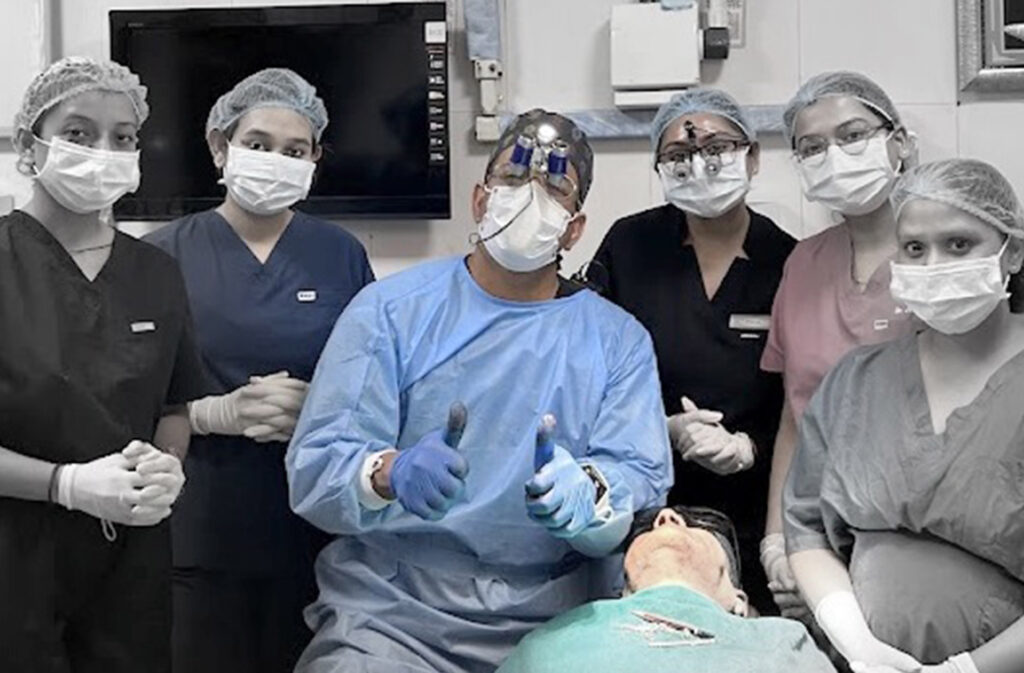
Dental implants have revolutionized restorative and cosmetic dentistry, offering reliable, long-lasting solutions for patients with missing teeth. As implant dentistry changes, dentists need to keep up with new materials, methods, and technology to give their patients the best care. Practitioner training programs in implant dentistry give dentists, oral surgeons, and specialists the information, skills, and confidence they need to safely and effectively do complex implant procedures. These programs prepare doctors for the challenges they will face in the real world of medicine by combining classroom learning with hands-on practice.
The Need for Implant Dentistry Training
While dental school provides foundational knowledge, implant dentistry requires specialized expertise. Placing implants, restoring prosthetics, performing bone grafting, and reconstructing the whole arch require accuracy and good clinical reasoning. Practitioners who go through training programs see a lot of different cases, learn how to deal with difficult physical situations, and learn about the newest developments in implant technology. This training makes sure that results are predictable, that patients are happy, and that success rates go up for both easy and complex implant procedures.
Comprehensive Curriculum of Training Programs
Dental Implant Training Programs typically offer a robust curriculum designed to address every aspect of implantology. Participants can expect to learn about:
- Oral anatomy and bone structure relevant to implants
- Pre-surgical evaluation and patient selection
- Surgical placement techniques for single and multiple implants
- Prosthetic restoration planning and execution
- Bone grafting, sinus lifts, and ridge augmentation procedures
- Management of complications and risk assessment
- Digital dentistry tools, including guided implant surgery and 3D imaging
- Case studies and treatment planning strategies
By combining lectures, workshops, and interactive case discussions, these programs allow practitioners to understand the theory and practical application of implant dentistry. Detailed demonstrations and real-world examples help bridge the gap between classroom learning and clinical practice.
Hands-On Experience
One of the defining features of implant dentistry training programs is hands-on practice. Participants gain experience placing implants on models, simulation tools, or cadaver labs under expert supervision. This hands-on component allows practitioners to develop technical precision, refine surgical skills, and learn proper prosthetic techniques. Some advanced programs may also include live patient training, providing exposure to real clinical cases and decision-making under guided mentorship.
Benefits of Dental Implant Training Programs
Completing an implant dentistry training program offers numerous benefits for practitioners:
- Enhanced clinical skills and surgical precision
- Ability to manage complex implant cases
- Greater confidence in treatment planning and execution
- Improved patient outcomes and satisfaction
- Expanded range of services for dental practice growth
- Continuing education credits and professional certification
By gaining these competencies, practitioners can provide high-quality implant care while staying competitive in the rapidly evolving field of dentistry.
Integration of Digital Technology
Digital tools are being used more in current classes for implant dentistry. Docs can see the bones properly, plan where to put implants, and guess what will happen with digital imaging, guided surgery, and 3D planning tools. When professionals are trained in these technologies, they are ready to use the newest ones. This makes things faster, more accurate, and more patient friendly.
Conclusion
Dental Implant Training Programs for practitioners provide the knowledge, skills, and confidence required to excel in modern implantology. Dental professionals learn how to handle both simple and complicated implant cases with precision by getting a lot of training, doing a lot of work, and seeing how advanced techniques are used. Not only do these programs improve clinical skills and patient outcomes, but they also help a dental office grow and be successful. For dentists and specialists who want to learn more about implant dentistry, advanced implant training classes are a surefire way to get there.