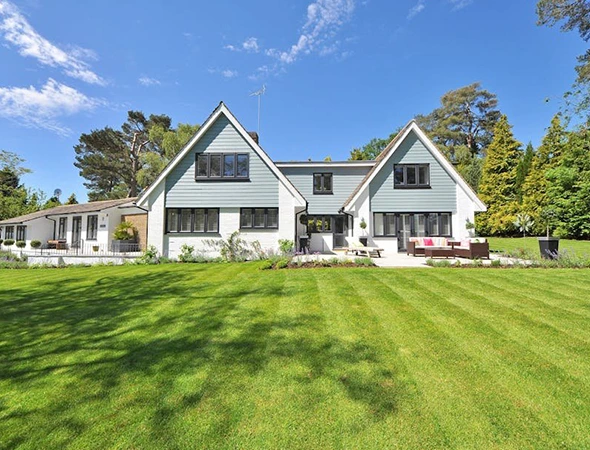
A well-maintained lawn can make a significant difference in the appearance of a residential or commercial property. In Florida, however, keeping grass healthy and neat can require regular attention because warm weather, rainfall, sunlight, and rapid plant growth can all affect the landscape.
Grass that is not maintained regularly can become overgrown, uneven, or difficult to manage. Leaves, small branches, weeds, and other debris can also accumulate across the property and affect its overall appearance.
OCD Landscape & Lawns LLC provides lawn and landscaping services in the St. Petersburg area. Understanding the basics of routine mowing, lawn maintenance, trimming, and seasonal care can help property owners develop a practical approach to keeping their outdoor spaces in good condition.
Why Regular Lawn Maintenance Matters
Lawn maintenance is not simply about cutting grass when it becomes too tall. Consistent care can help keep the property looking organized while supporting healthier grass growth.
Regular mowing can help maintain a more uniform appearance. Trimming around sidewalks, driveways, fences, garden beds, and other areas can also create a cleaner transition between the lawn and surrounding features.
Other maintenance tasks may include removing grass clippings or debris, monitoring weeds, maintaining landscape edges, and identifying areas that appear stressed or damaged.
A consistent maintenance routine can be easier to manage than allowing the lawn to become heavily overgrown and then attempting to restore it all at once.
Understanding Florida Lawn Conditions
Florida lawns experience conditions that can differ from lawns in cooler climates.
Warm temperatures can encourage grass and other vegetation to grow quickly during active periods. Rainfall can also affect how frequently a lawn needs attention.
At the same time, periods of heat or limited rainfall can place additional stress on grass.
Because conditions change throughout the year, lawn maintenance should be adjusted according to the grass type, weather, soil conditions, and overall condition of the property.
Choosing the Right Mowing Schedule
There is no single mowing schedule that works perfectly for every lawn.
Grass growth rate can depend on rainfall, temperature, grass variety, sunlight, soil conditions, and other factors.
During periods of active growth, a lawn may need more frequent attention. During slower growth periods, mowing may be needed less often.
The goal is to avoid allowing grass to become excessively tall while also avoiding unnecessarily frequent cutting.
Benefits of Weekly Lawn Mowing
For properties where grass grows consistently, a regular schedule can make lawn maintenance easier to manage.
Weekly Lawn Mowing in Largo, FL can help homeowners maintain a consistent appearance during periods when grass requires frequent cutting.
Regular mowing can also make each individual service more manageable because the grass is less likely to become heavily overgrown between visits.
A recurring schedule may be particularly useful for homeowners who have limited time to maintain their property themselves.
How Proper Mowing Supports the Lawn
Mowing technique can affect the appearance and condition of grass.
Cutting too much of the grass blade at one time can place unnecessary stress on the plant. Keeping mower blades properly maintained can also help produce a cleaner cut.
The appropriate mowing height depends on the type of grass being maintained. Property owners should avoid assuming that every grass variety should be cut to the same height.
A consistent mowing routine combined with appropriate cutting practices can contribute to a more uniform lawn.
Keeping Lawn Edges Neat
A lawn can look untidy even when the grass itself has been recently cut if the edges around hard surfaces are neglected.
Grass may grow along sidewalks, driveways, patios, fences, and landscape beds.
Edging or trimming these areas can create clearer boundaries and give the property a more finished appearance.
These details are particularly noticeable around the front entrance of a home or other areas that receive frequent foot traffic.
Removing Grass and Yard Debris
After mowing, grass clippings and other yard debris may remain across parts of the property.
Depending on the mowing method and lawn conditions, clippings may be left on the lawn or managed as part of the maintenance process.
Branches, leaves, and other debris should also be addressed when necessary.
Keeping the lawn clear can make the property look cleaner and make it easier to identify areas that may require additional attention.
Weed Management and Lawn Appearance
Weeds can compete with desirable grass and affect the appearance of a lawn.
The presence of weeds does not necessarily mean that the entire lawn is unhealthy. However, widespread weed growth may indicate that the property needs additional maintenance or that growing conditions are favoring unwanted plants.
Property owners should identify weeds before selecting a treatment. Different weeds may require different approaches, and product instructions should always be followed when treatments are used.
Routine mowing and proper lawn care can help maintain a more organized appearance, but mowing alone does not eliminate every weed problem.
Signs Your Lawn Needs More Attention
Several signs can indicate that a lawn may need additional care.
These can include:
- Grass becoming excessively tall
- Uneven growth
- Large areas of weeds
- Bare or thinning patches
- Discolored grass
- Accumulated leaves or debris
- Overgrown edges
- Areas affected by heavy foot traffic
- Standing water or drainage concerns
Identifying these issues early can help property owners determine whether routine maintenance is sufficient or whether additional lawn or landscape services may be needed.
Lawn Care for Residential Properties
A residential lawn often serves as one of the most visible parts of the property.
Regular mowing and basic maintenance can help keep front yards, side yards, and backyard areas neat and usable.
Homeowners may also have additional landscape features such as trees, shrubs, flower beds, walkways, fences, and outdoor living areas.
A lawn maintenance plan should take these surrounding features into account so that mowing and trimming can be completed without damaging plants or property.
Lawn Maintenance for Commercial Properties
Commercial properties can also benefit from consistent landscape maintenance.
Businesses, offices, rental properties, and other commercial locations often have outdoor areas that contribute to the property’s overall appearance.
An overgrown lawn can make a property appear neglected, while regular mowing and trimming can help maintain a more organized exterior.
For commercial property managers, a recurring maintenance schedule can also make lawn care easier to coordinate.
Preparing Your Lawn for Professional Service
Before a lawn service visit, property owners can make the work easier by removing toys, hoses, tools, outdoor furniture, and other movable objects from the grass.
Pet waste should also be removed before mowing.
If there are areas that require special attention, such as newly planted landscaping, irrigation equipment, or delicate plants, inform the service provider before work begins.
Clear communication can help reduce the risk of accidental damage and ensure that important areas receive appropriate attention.
Why Consistency Is Important
One of the biggest advantages of regular lawn maintenance is consistency.
When mowing is performed at appropriate intervals, the grass is less likely to become severely overgrown.
Consistent service can also make it easier to notice changes in the lawn. A developing bare patch, unusual discoloration, drainage issue, or pest-related problem may be easier to identify when the property is being maintained regularly.
This does not mean every lawn will look identical throughout the year. Weather and growing conditions naturally affect appearance.
Choosing a Lawn Care Provider
When choosing a lawn care company, property owners should consider the type of services they need and the condition of their property.
Ask what maintenance tasks are included, how often the property can be serviced, and whether additional landscaping services are available when needed.
It is also useful to explain the property’s size, lawn condition, access points, and any specific areas that require attention.
A clear understanding of the service can help ensure that expectations are aligned before regular maintenance begins.
Common Lawn Care Mistakes to Avoid
Property owners can unintentionally create lawn problems through inconsistent or inappropriate maintenance.
Common mistakes include cutting grass too short, mowing with dull blades, ignoring overgrown areas for long periods, mowing wet grass when conditions make it impractical, or failing to address drainage and soil problems.
Another common issue is treating every lawn in exactly the same way.
Grass type, sunlight, rainfall, soil, and property conditions should all be considered when determining the appropriate maintenance approach.
FAQs
How often should a lawn be mowed in Florida?
The ideal frequency depends on grass type, weather, rainfall, temperature, and growth rate. During active growth periods, a lawn may require more frequent mowing.
Is weekly mowing necessary for every lawn?
Not necessarily. Some lawns may require weekly service during active growth, while others may need less frequent maintenance. The appropriate schedule depends on the property’s conditions.
Why does my lawn grow so quickly?
Warm temperatures, rainfall, sunlight, grass variety, and soil conditions can all contribute to faster grass growth. Florida’s climate can support active vegetation growth for significant portions of the year.
Should I remove items from the lawn before mowing?
Yes. Removing toys, hoses, tools, furniture, and other objects can help make mowing safer and more efficient.
Does mowing eliminate weeds?
No. Mowing can manage grass height and improve the appearance of the lawn, but it does not eliminate every type of weed. Persistent weed problems may require additional treatment.
Can lawn care include more than mowing?
Yes. Depending on the provider and service arrangement, lawn maintenance may include trimming, edging, debris management, and other landscaping tasks.
Conclusion
Maintaining a healthy-looking lawn requires more than occasional cutting. Regular mowing, edging, debris removal, observation, and appropriate maintenance practices can help keep residential and commercial properties looking organized throughout the year.
For homeowners researching Lawn Care Services in St. Petersburg, FL, choosing a consistent maintenance routine can make it easier to manage grass growth and address developing lawn issues.
For property owners considering Weekly Lawn Mowing in Largo, FL, a recurring schedule can provide consistent attention during periods of active grass growth and reduce the need to deal with heavily overgrown lawns.
OCD Landscape & Lawns LLC provides lawn and landscaping services for properties in the St. Petersburg area. A maintenance approach based on the property’s grass type, growing conditions, and specific needs can help keep outdoor spaces neat and manageable.