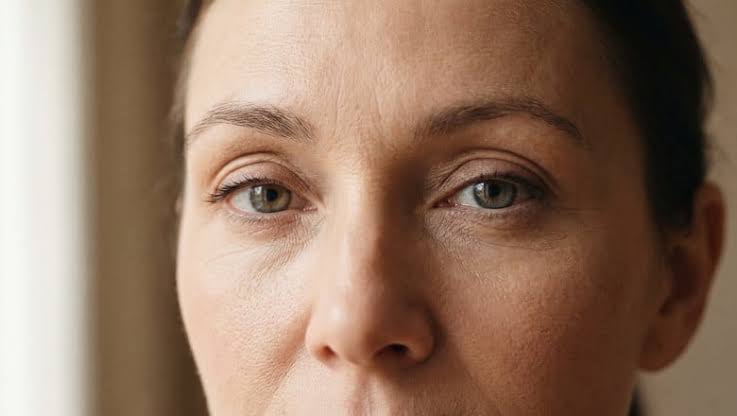
The appearance of the lower eyelids can have a noticeable effect on the overall face. Puffiness, under-eye bags, loose skin, and wrinkles may make someone look tired or older than they feel. These changes can develop because of ageing, genetics, lifestyle habits, or natural changes in the skin and facial tissues.
Lower blepharoplasty is a cosmetic surgical procedure designed to improve the appearance of the lower eyelids. It focuses on reducing under-eye bags, managing excess skin, and creating a smoother transition between the lower eyelids and cheeks.
If you are considering Lower Blepharoplasty in London, understanding what happens before and after surgery can help you prepare for the experience. Knowing the consultation process, surgical steps, recovery timeline, and possible risks is important before making a decision.
At Bodyvie Clinic, patients can explore their aesthetic concerns and discuss suitable treatment options during a professional consultation. A personalised assessment helps determine whether lower eyelid surgery is appropriate for their needs and expectations.
What Is Lower Blepharoplasty and How Does It Work?
Lower blepharoplasty is a surgical procedure that improves the appearance of the lower eyelids. It commonly addresses under-eye bags caused by fat pockets, loose skin, and changes in the tissues supporting the lower eyelid.
As people age, the skin gradually loses elasticity. The muscles and supporting tissues around the eyes may also become weaker. Fat that normally cushions the eyes can become more noticeable, creating puffiness beneath the lower eyelids.
During lower eyelid surgery, a surgeon may remove or reposition excess fat and, when necessary, remove a small amount of loose skin. The exact technique depends on the patient’s anatomy and the concerns being treated.
There are two common surgical approaches:
Transconjunctival Lower Blepharoplasty
This technique involves making an incision inside the lower eyelid. It is often considered for patients whose main concern is under-eye fat pockets and who have little excess skin.
Because the incision is inside the eyelid, there is no visible external skin scar from that incision.
Transcutaneous Lower Blepharoplasty
This approach involves making an incision just below the lower eyelashes. It may be suitable for patients who have both excess skin and prominent under-eye bags.
The surgeon can address the underlying fat and remove carefully selected excess skin. The most appropriate approach depends on individual facial structure and medical assessment.
Who Is a Suitable Candidate for Lower Blepharoplasty in London?
Not everyone with dark circles or tired-looking eyes needs lower eyelid surgery. The procedure is generally considered for people with concerns related to excess lower eyelid fat, loose skin, or certain changes in the tissues around the eyes.
You may be suitable for Lower Blepharoplasty in London if you:
- Have noticeable bags beneath the eyes.
- Have excess or loose skin around the lower eyelids.
- Notice puffiness that remains even after adequate rest.
- Have under-eye changes related to ageing or genetics.
- Are in generally good health.
- Have realistic expectations about surgical results.
A consultation is necessary to assess your eyelid structure, skin quality, medical history, and expectations.
Patients with dry eyes, certain eye conditions, previous eyelid surgery, or medical conditions affecting healing may require additional assessment. In some cases, surgery may not be recommended.
At Bodyvie Clinic, discussing your concerns and medical history can help establish whether lower blepharoplasty is an appropriate option to explore.
What to Expect Before Lower Blepharoplasty Surgery
Preparing properly for surgery is an important part of the treatment journey. Before the procedure, patients should understand the surgical plan, possible risks, recovery requirements, and expected results.
Initial Consultation at Bodyvie Clinic
The first step is a consultation with a suitably qualified surgeon. During this appointment, the surgeon will examine the lower eyelids and discuss the concerns you want to address.
They may assess:
- The amount of excess skin beneath the eyes.
- The position and appearance of under-eye fat.
- Skin elasticity and eyelid support.
- Facial proportions and overall eye shape.
- Previous cosmetic procedures or eye surgery.
- Your general health and medical history.
You should explain what you hope to achieve and ask questions about the recommended technique. The surgeon should also discuss what surgery can and cannot improve.
Medical Assessment and Preparation
Before surgery, you may need a medical assessment or specific tests depending on your health and the surgical plan.
Tell your surgeon about all medications, supplements, allergies, previous procedures, and existing medical conditions. Some medicines may need adjustment before surgery, but you should never stop prescribed medication without medical advice.
Your surgical team may also provide instructions about:
- Avoiding smoking and nicotine products.
- Limiting or avoiding alcohol before surgery.
- Following medication instructions.
- Arranging transport home after the procedure.
- Preparing a comfortable recovery space.
- Taking time away from work and demanding activities.
Following these instructions helps you prepare safely.
Setting Realistic Expectations
Lower eyelid surgery can improve puffiness and certain forms of loose skin, but it cannot stop the natural ageing process.
It may not completely remove dark circles caused by pigmentation, visible blood vessels, or naturally thin skin. It also cannot correct every type of under-eye hollowing.
A detailed discussion with your surgeon helps you understand the likely outcome and avoid unrealistic expectations.
What Happens During Lower Blepharoplasty Surgery?
The procedure is planned according to the patient’s individual needs. The surgeon chooses the incision location and surgical technique based on the amount of excess fat, skin, and other anatomical factors.
Lower blepharoplasty may be performed under local anaesthesia with sedation or general anaesthesia, depending on the treatment plan and clinical circumstances.
During surgery, the surgeon makes the planned incision and carefully addresses the underlying fat pockets. Fat may be removed or repositioned to create a smoother under-eye contour.
If excess skin is present, a small amount may also be removed. The incisions are then closed using appropriate sutures.
The duration of surgery varies depending on the technique and whether other procedures are being performed. Patients should receive clear information about their own surgical plan before the procedure.
What to Expect Immediately After Lower Blepharoplasty
After surgery, patients are taken to a recovery area where medical staff monitor them. Some swelling, bruising, tightness, and mild discomfort around the eyes are common.
The eyelids may feel sensitive, and vision can sometimes be temporarily blurred because of ointment or eye watering. Your medical team will explain what is expected and how to care for the treated area.
Patients should arrange for someone to take them home if they have received sedation or general anaesthesia. Driving immediately after surgery is not appropriate.
Follow the surgeon’s instructions about eye drops, ointments, cold compresses, cleaning, and medication. Avoid rubbing or putting pressure on the eyelids.
Lower Blepharoplasty Recovery: What to Expect Week by Week
Recovery varies between individuals. The following timeline provides a general idea of what patients may experience.
First Few Days After Surgery
Swelling and bruising are usually most noticeable during the early recovery period. The lower eyelids may feel tight, and mild discomfort can occur.
Patients are generally advised to rest, keep their head elevated when sleeping, and avoid activities that increase pressure around the eyes.
Cold compresses may be recommended, but they should only be used as directed by the surgeon. Avoid placing ice directly on the skin.
First Week After Surgery
During the first week, swelling and bruising may gradually begin to improve. Some patients may have follow-up appointments for wound checks or suture removal, depending on the technique used.
Avoid strenuous exercise, heavy lifting, and bending that causes pressure around the eyes. Do not wear contact lenses or eye makeup until your surgeon confirms that it is safe.
Second Week After Surgery
Many patients notice further improvement in bruising and swelling during the second week. Some may feel comfortable returning to desk-based work, depending on their healing progress.
However, the area may still look slightly swollen, and the final appearance will not yet be visible.
Continue following your aftercare instructions and avoid rushing back into exercise or physically demanding activities.
Following Weeks
Over the following weeks, swelling usually continues to settle. The lower eyelids gradually look more natural as the tissues heal.
Some minor swelling or tightness may remain for longer. Final results can take several months to become clear, depending on the surgical technique and individual healing.
Benefits of Choosing Lower Blepharoplasty
Lower blepharoplasty can offer several aesthetic benefits for suitable patients.
Reduces Under-Eye Bags
One of the main reasons people consider this procedure is to improve prominent fat pockets beneath the eyes. Treating these pockets may create a smoother lower eyelid contour.
Improves Loose Skin
When excess skin contributes to a tired appearance, carefully removing it may help create a firmer and smoother appearance.
Creates a More Refreshed Appearance
By addressing under-eye puffiness and selected skin concerns, surgery may help the face look less tired.
Long-Lasting Improvement
The results of lower eyelid surgery can last for many years. However, the procedure does not prevent future ageing, and natural changes in skin and facial tissues will continue.
Understanding Lower Blepharoplasty Cost in London
The Lower Blepharoplasty cost in London can vary depending on several factors. Every patient’s treatment plan is different, so an accurate price generally requires an individual consultation.
Important cost factors may include:
- The surgeon’s qualifications and experience.
- The complexity of the procedure.
- Whether excess skin, fat, or both need treatment.
- The surgical technique used.
- Anaesthesia and facility fees.
- Pre-operative assessments.
- Follow-up appointments and aftercare arrangements.
Patients should request a clear breakdown of the total price before deciding to proceed. Ask whether the quoted fee includes the surgeon, anaesthesia, facility costs, and follow-up care.
At Bodyvie Clinic, patients can discuss their treatment requirements and ask about the factors that may influence their overall surgical plan. It is important to understand what is included rather than choosing a procedure based on price alone.
How to Choose the Best Lower Blepharoplasty in London
Choosing the right surgeon is one of the most important parts of planning eyelid surgery. The lower eyelid is a delicate area, so appropriate training and surgical experience are essential.
When researching the Best Lower Blepharoplasty in London, consider the following points.
Check the Surgeon’s Qualifications
Choose a suitably qualified surgeon with relevant experience in eyelid surgery. In the UK, patients can check appropriate professional registration and specialist credentials.
Review Before-and-After Photographs
Photographs may help you understand the surgeon’s approach and the type of results that may be possible. Look for examples involving patients with similar concerns and facial features.
Discuss Possible Risks
A responsible consultation should include a clear explanation of potential complications, not just the benefits.
Understand the Aftercare Plan
Ask who will provide follow-up care, how to contact the medical team, and what to do if you experience unexpected symptoms.
At Bodyvie Clinic, patients can use their consultation to discuss treatment goals, surgical suitability, and important questions about the procedure.
Possible Risks and Complications of Lower Blepharoplasty
Lower blepharoplasty is a surgical procedure and carries risks. Although many patients recover without major complications, it is important to understand the possible problems before proceeding.
Potential risks include:
- Bleeding and infection.
- Swelling and bruising.
- Temporary or persistent dry eyes.
- Changes in eyelid sensation.
- Visible scarring.
- Eyelid asymmetry.
- Difficulty closing the eyes completely.
- Lower eyelid pulling down or turning outward.
- Changes in vision, including rare serious complications.
Some complications may require additional treatment or corrective surgery.
Seek urgent medical attention if you experience sudden vision changes, severe eye pain, significant bleeding, or rapidly increasing swelling. Always follow the emergency instructions provided by your surgical team.
Tips for a Smooth Recovery After Lower Eyelid Surgery
Good aftercare helps support healing and reduces unnecessary pressure on the treated area.
Keep these practical tips in mind:
- Follow all instructions provided by your surgeon.
- Keep the treated area clean as directed.
- Use prescribed eye drops or ointments correctly.
- Sleep with your head elevated if recommended.
- Avoid rubbing or pressing the eyelids.
- Avoid strenuous exercise until medically approved.
- Protect the skin around your eyes from direct sunlight.
- Attend all follow-up appointments.
- Contact your medical team if symptoms worsen or seem unusual.
Do not use cosmetic products, creams, or home remedies around the incision area without your surgeon’s approval.
How Bodyvie Clinic Can Help You Explore Lower Blepharoplasty
Choosing lower eyelid surgery requires careful planning and a clear understanding of your concerns. Patients should have the opportunity to discuss their options, ask questions, and understand the expected recovery process before making a decision.
Bodyvie Clinic can be part of your treatment research and consultation journey when exploring lower eyelid concerns. A personalised assessment should consider your eye structure, skin condition, medical history, and desired outcome.
Before proceeding, confirm the operating surgeon’s qualifications, the surgical facility arrangements, and the aftercare support available. Taking time to understand these details can help you make a more informed decision.
Frequently Asked Questions About Lower Blepharoplasty
How long does lower blepharoplasty recovery take?
Initial recovery often takes around one to two weeks, although some swelling can remain for several weeks. Complete healing and final results may take several months.
Is lower blepharoplasty painful?
Patients may experience mild discomfort, tightness, or sensitivity after surgery. The procedure is performed with appropriate anaesthesia, and prescribed medication can help manage post-operative discomfort.
Will lower blepharoplasty remove dark circles?
Not always. Surgery mainly addresses concerns such as under-eye bags and selected loose skin. Dark circles caused by pigmentation, thin skin, or visible blood vessels may remain.
Are lower blepharoplasty results permanent?
The improvement can last for many years, but natural ageing continues. Changes in skin elasticity and facial tissues may affect the appearance over time.
When can I return to work after lower eyelid surgery?
Some patients return to desk-based work after approximately one to two weeks. The timing depends on bruising, swelling, the nature of the job, and the surgeon’s advice.
Conclusion
Lower blepharoplasty can help improve under-eye bags, puffiness, and selected concerns related to loose lower eyelid skin. However, understanding the procedure, preparing properly, and following aftercare instructions are essential parts of the experience.
If you are considering Lower Blepharoplasty in London, take time to research qualified surgeons and understand the possible benefits and risks. Comparing the Lower Blepharoplasty cost in London and researching the Best Lower Blepharoplasty in London can help you prepare for a consultation and make an informed choice.
Bodyvie Clinic can be included in your research when exploring lower eyelid treatment options. A professional assessment will help you understand whether surgery is suitable for your needs and what results may realistically be achieved.