Starting your beekeeping journey is both exciting and rewarding—but it can also feel overwhelming at first. With so many choices to make—from selecting your bees to purchasing beginner beekeeping gear—it’s easy to get lost in the buzz. If you’re just beginning, don’t worry. This guide will walk you through how buying bees for beginners works, while also helping you stay safe and confident with the right protective equipment, including ventilated bee suits.
What Kind of Bees Should Beginners Buy?
When buying bees for the first time, you’ll typically choose between nucleus colonies (nucs) and package bees. Both options have advantages, but understanding the difference is key to making the right choice.
Package Bees
Package bees are typically sold in a screened box containing 2–3 pounds of worker bees, a caged queen, and a can of sugar syrup for feeding during transport. They’re shipped widely and are a popular choice for buying bees online.
- Pros: Easier to ship; more widely available.
- Cons: The queen is not established within the colony yet; there’s a chance she may be rejected.
Nucleus Colonies (Nucs)
A nuc is a small, established colony that includes frames of brood, food stores, and a laying queen. Nucs are usually sold locally and come ready to be transferred into your full-size hive.
- Pros: The bees are already working with their queen; faster colony buildup.
- Cons: More expensive; not ideal for shipping over long distances.
Keyword tip: Many beginners search for nuc vs package bees, so understanding the difference helps you make an informed decision and prepares you to explain it if sharing your beekeeping journey.
Where to Buy Bees as a Beginner
There are two main options for sourcing bees: local breeders and online suppliers.
Buying Locally
Buying bees from a local beekeeper or apiary gives you the advantage of bees that are acclimated to your region’s climate. You also avoid the stress of shipping and have a contact for ongoing support.
Buying Bees Online
If local options are limited, buying bees online is perfectly viable. Just be sure to:
- Check reviews of the supplier
- Confirm delivery dates
- Make sure the bees are shipped from a reputable breeder
Regardless of the method, place your order early in the season—often in late winter or early spring—to ensure availability.
Must-Have Gear Before Your Bees Arrive
Before your bees arrive, having the right beginner beekeeping gear is critical for safety and success.
Bee Hive Starter Kit
A quality starter kit should include:
- Bottom board
- Hive body (brood box)
- Inner and outer cover
- Frames with foundation
Essential Tools
- Hive tool: Used to pry apart frames
- Smoker: Calms the bees during inspections
- Bee brush: Gently moves bees from frames
- Frame grip: Helps lift heavy frames safely
These items form the foundation of your beekeeping tools and should be on hand before installation day.
Why Ventilated Bee Suits Are Best for Beginners
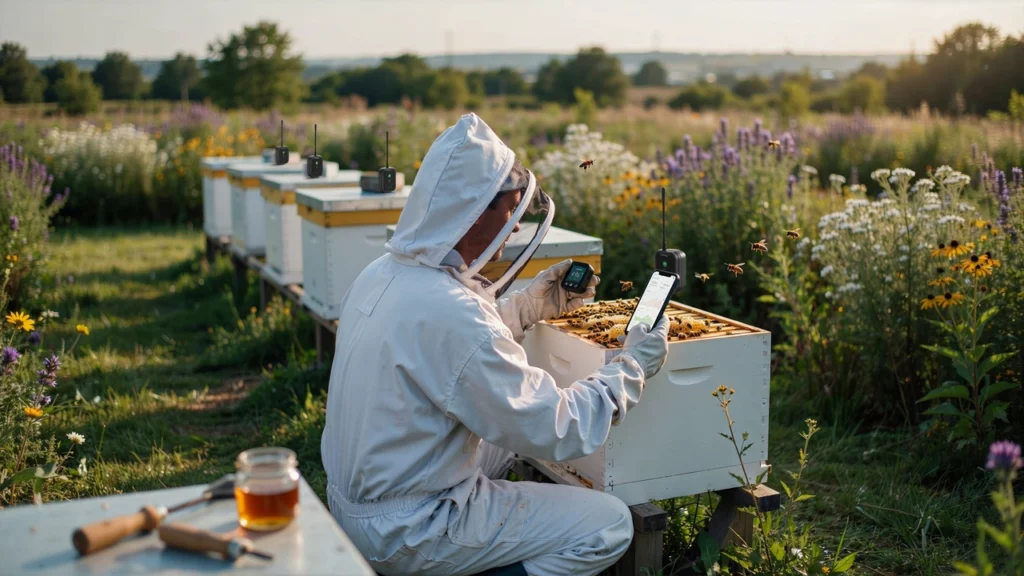
When it comes to protective beekeeping clothing, safety and comfort should be your top priorities. That’s why ventilated bee suits are ideal for beginners.
What Are Ventilated Bee Suits?
These suits are made from breathable, layered mesh fabric that provides sting protection without overheating. They’re designed to keep you cool, even during summer inspections.
Key Benefits:
- Full-body protection from head to ankle
- Excellent airflow compared to traditional cotton suits
- Minimized risk of stings, especially for nervous beginners
Many beekeepers also prefer suits with:
- Elastic cuffs
- Reinforced zippers
- Detachable veils
Look for features that are specifically marketed as the best bee suits for beginners to ensure you’re getting a reliable product. A well-fitted ventilated bee suit allows you to work confidently around your bees, reducing the chance of panic or mistakes during inspections.
Setting Up Your Hive for the New Colony
Once you’ve picked your bees and purchased your gear, it’s time to set up your hive.
Choose the Right Location
- Sunlight: Full morning sun is ideal
- Wind: Place the hive in a sheltered spot
- Accessibility: Make sure you can easily reach the hive for inspections
Prepare the Equipment
Install your hive components on a level stand. Add a feeder if your bees will need help building up (especially true for package bees). Always wear your ventilated bee suit when handling the bees—safety first!
First Week with Your Bees: What to Expect
The first week after installing your bees is crucial for establishing a strong colony.
For Package Bees
- Check 3–5 days after installation to ensure the queen has been released.
- Inspect to see if the bees are drawing comb and storing nectar.
For Nucs
- Transfer the frames into your hive body gently.
- Monitor queen activity—look for eggs and larval brood.
During these early inspections, use your beekeeping tools carefully and be gentle. Always wear your protective beekeeping clothing to avoid stings and maintain confidence.
Beekeeping Tools That Make a Difference
Beyond the basics, a few advanced tools can improve your experience:
- Queen catcher: Helpful for safely moving or identifying the queen
- Frame rest: Keeps frames off the ground during inspections
- Beekeeping journal: Track hive health, feeding, and inspections
Having a complete set of beekeeping tools allows you to focus on learning and growing with your bees, rather than scrambling for gear during crucial moments.
Common Mistakes Beginners Should Avoid
Even the most enthusiastic beginners can make mistakes. Here’s how to avoid them:
Mistake #1: Not Wearing Proper Protective Gear
A bee suit that’s too hot or restrictive can lead to skipped inspections. Invest in a ventilated bee suits so you’re always comfortable and protected.
Mistake #2: Skipping Early Inspections
Some beginners fear disturbing the hive. But regular checks are vital for spotting issues like queen loss or disease.
Mistake #3: Starting Without Research
Join a local beekeeping group or take an online class. You’ll gain valuable tips and support from experienced beekeepers.
Conclusion
Getting started with beekeeping doesn’t have to be intimidating. With the right information, reliable bees, and protective equipment like ventilated bee suits, you’re well on your way to a safe and successful first season.
Whether you choose to buy a nuc locally or order a package online, preparation is the key to thriving as a new beekeeper. And when your bees arrive, you’ll be ready—fully suited, well-equipped, and excited to begin this rewarding journey.